
165th Anniversary of the Founding of the Armenian Evangelical Church

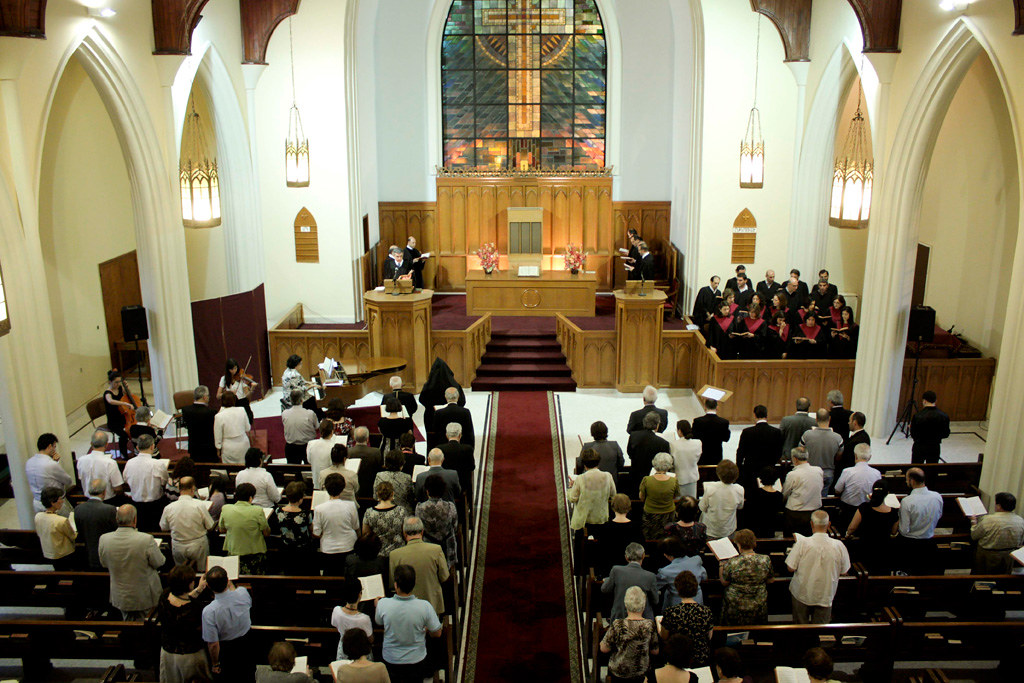
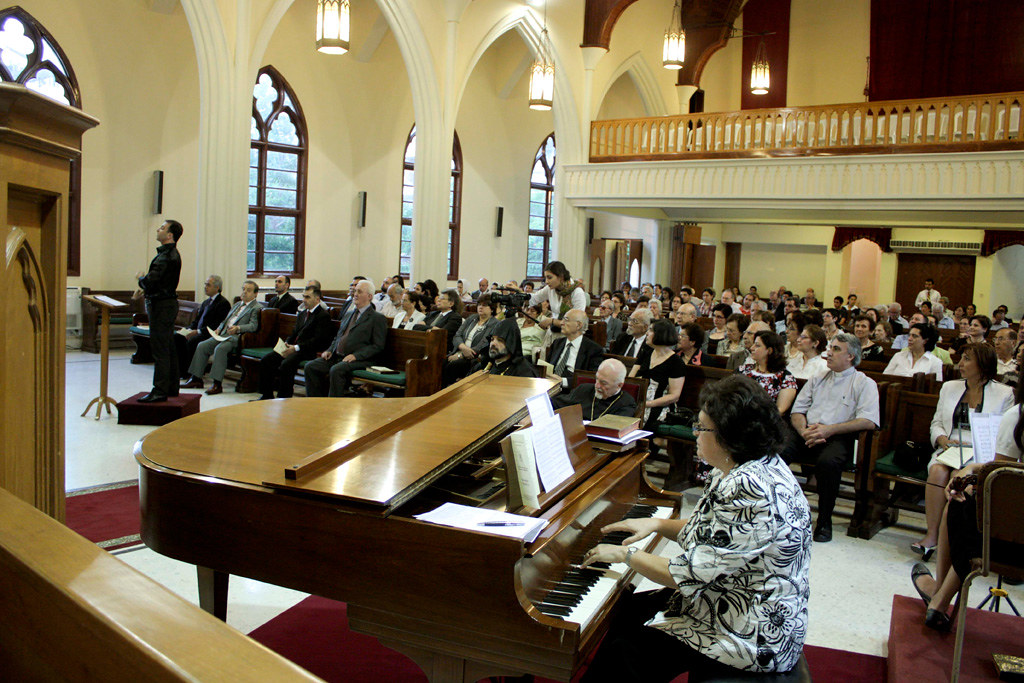
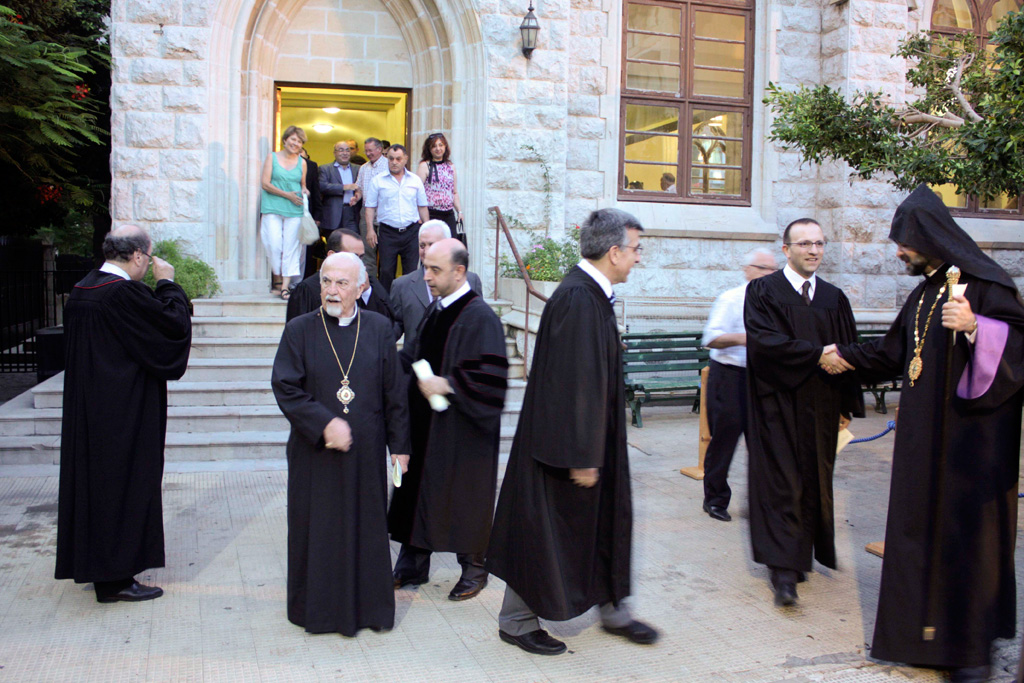
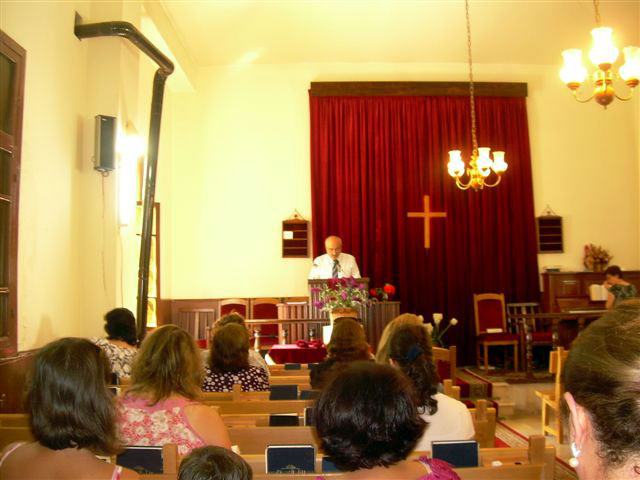
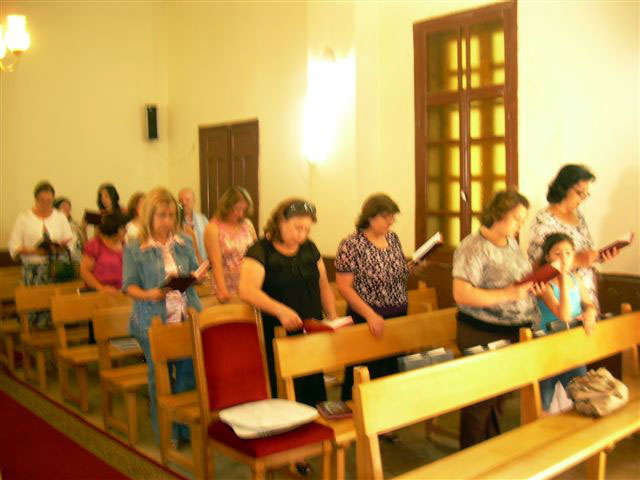
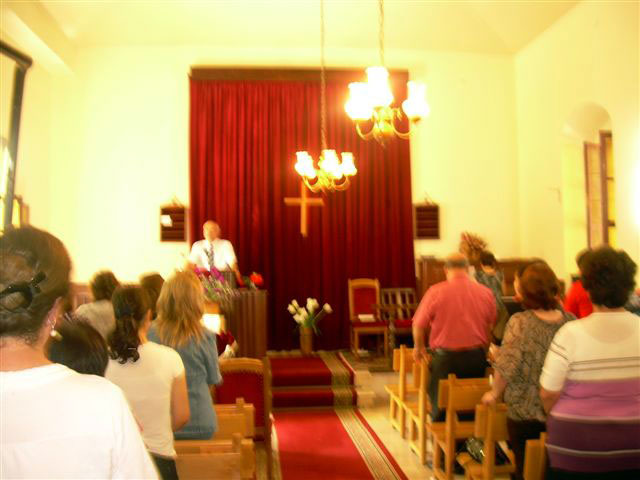
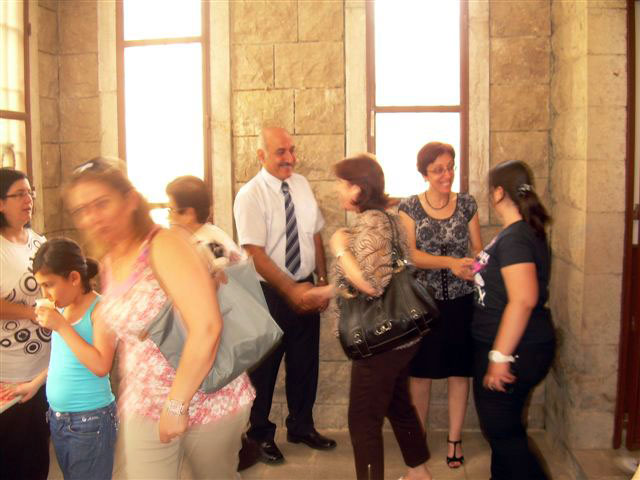
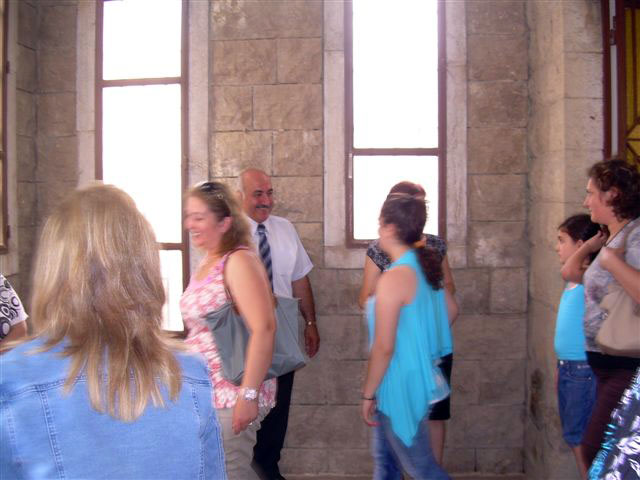
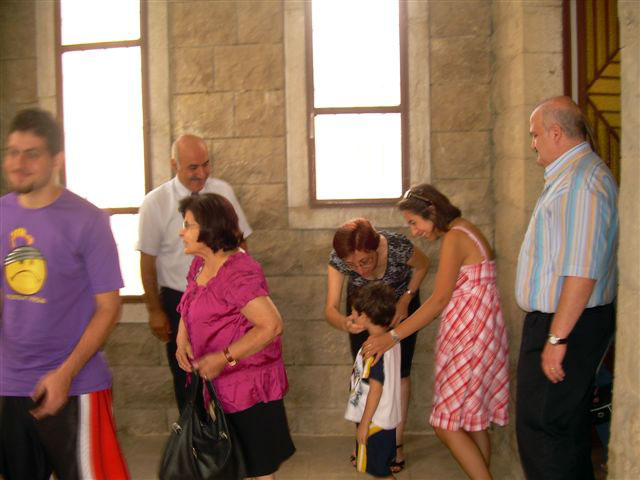
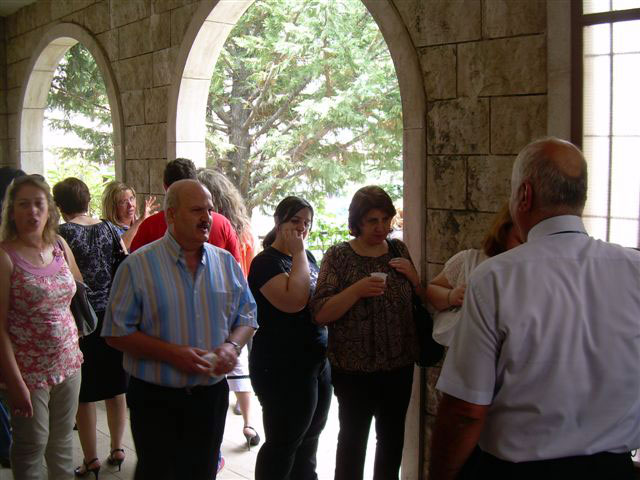
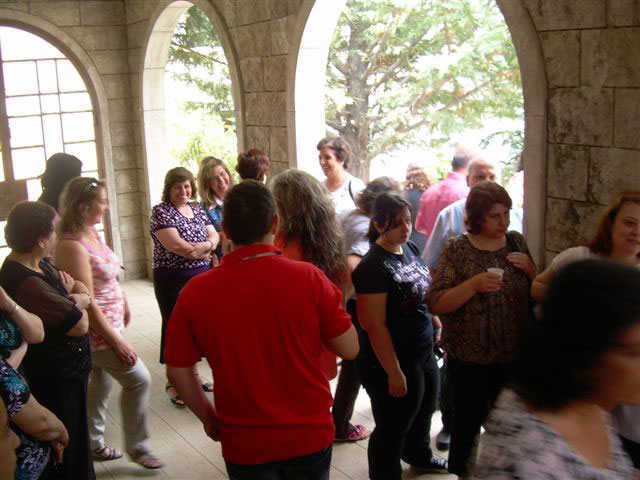
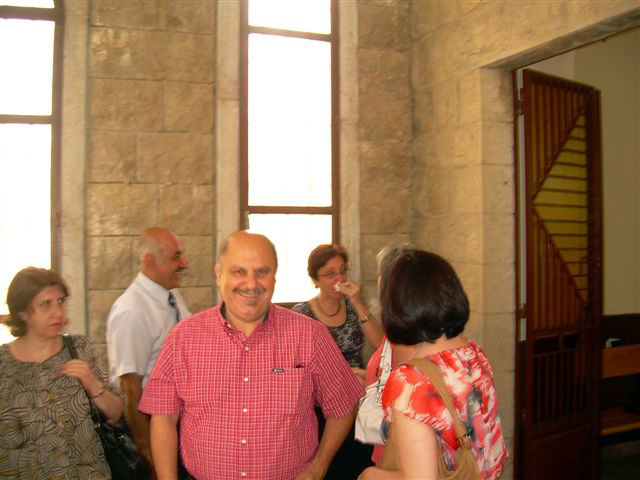
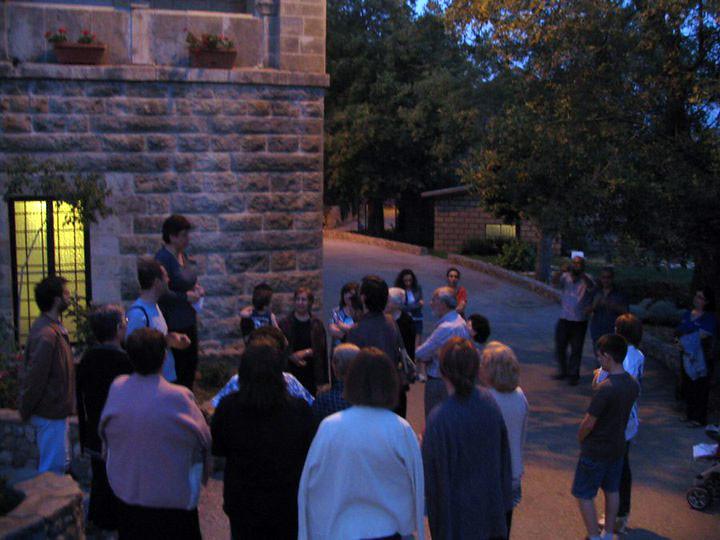
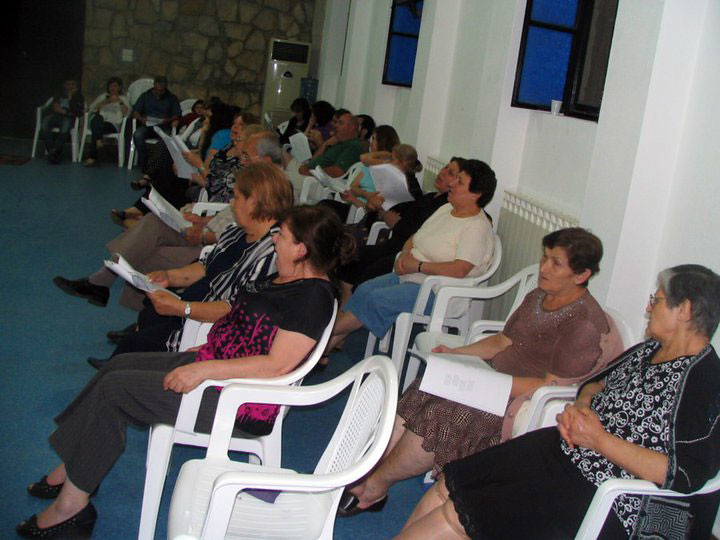
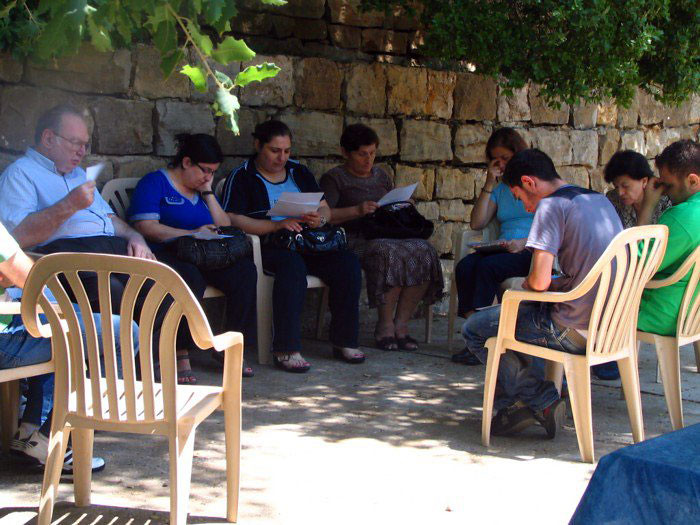
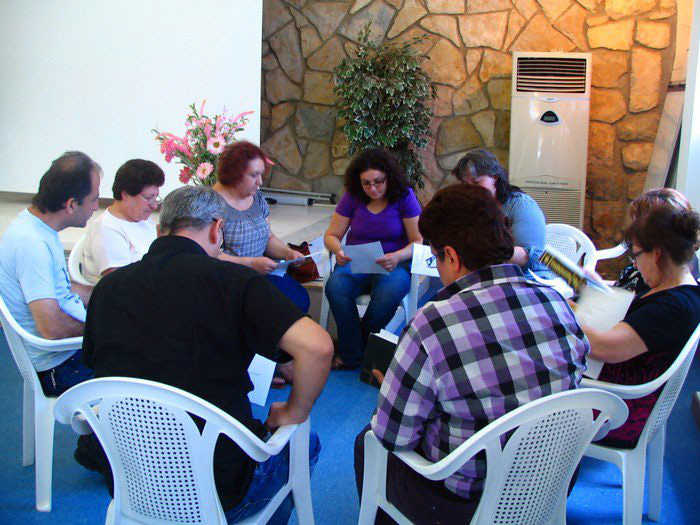
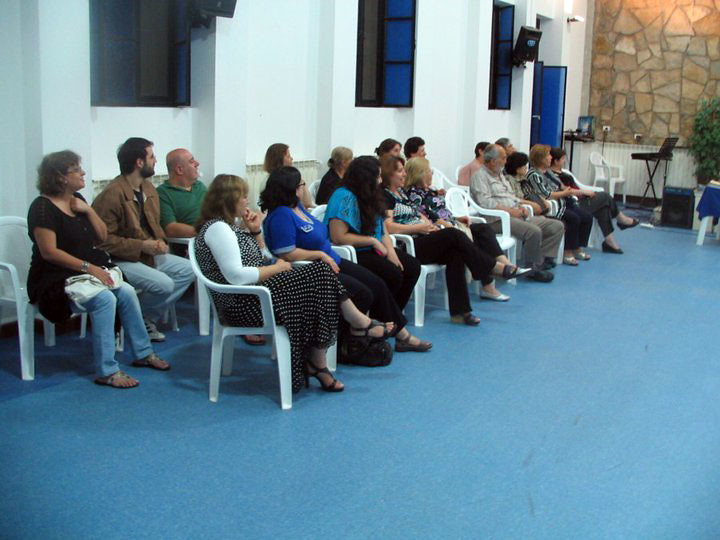
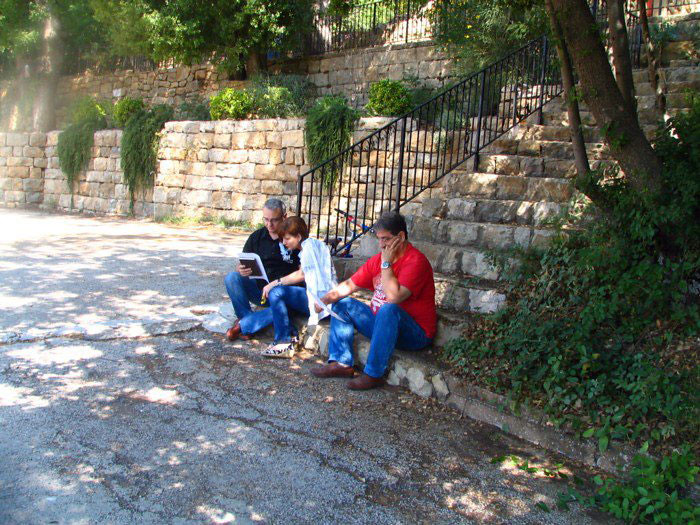
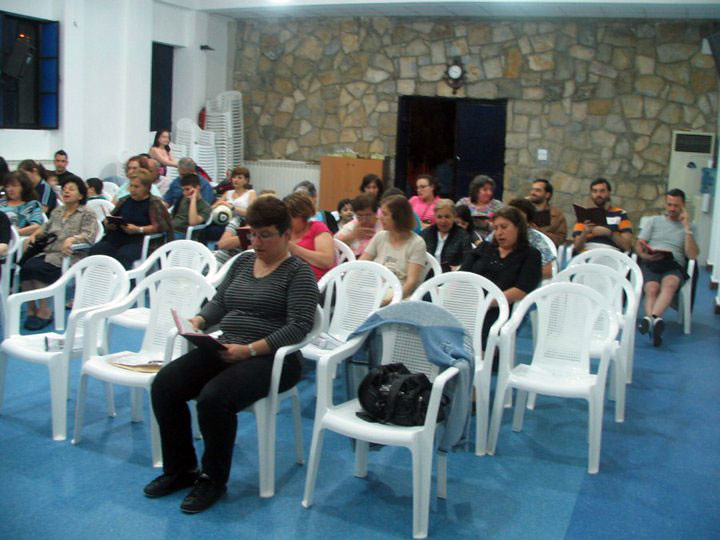
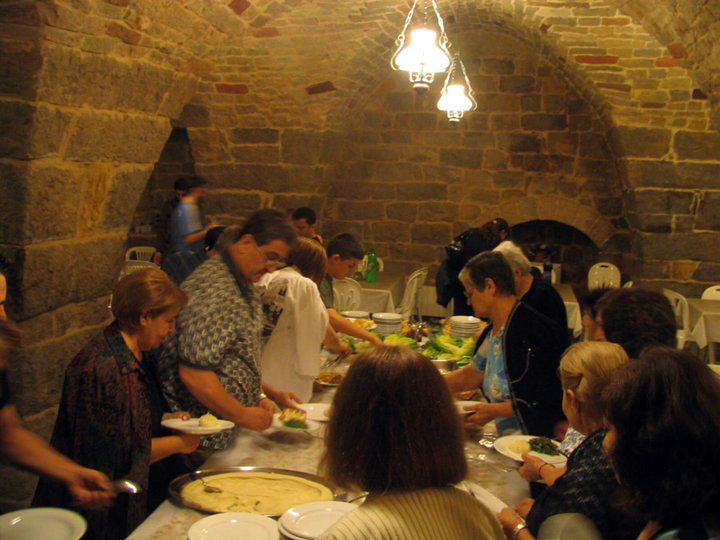
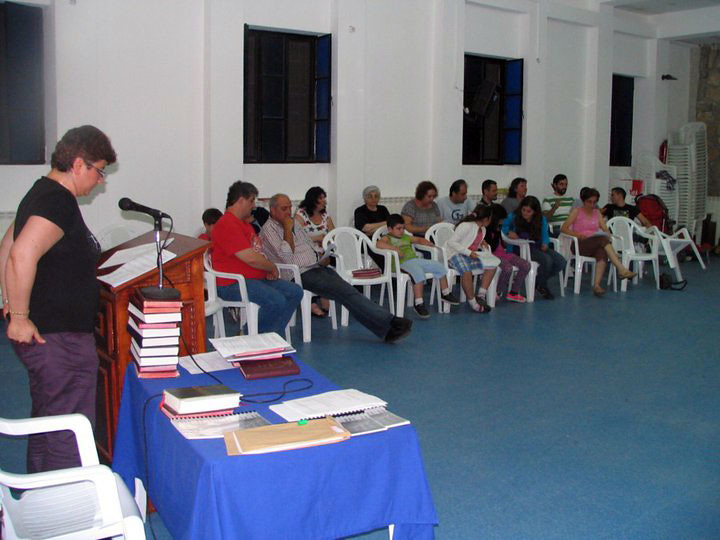
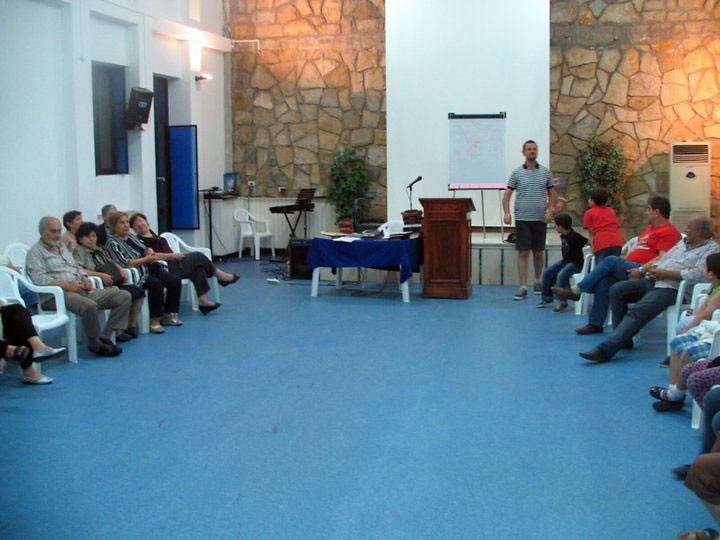
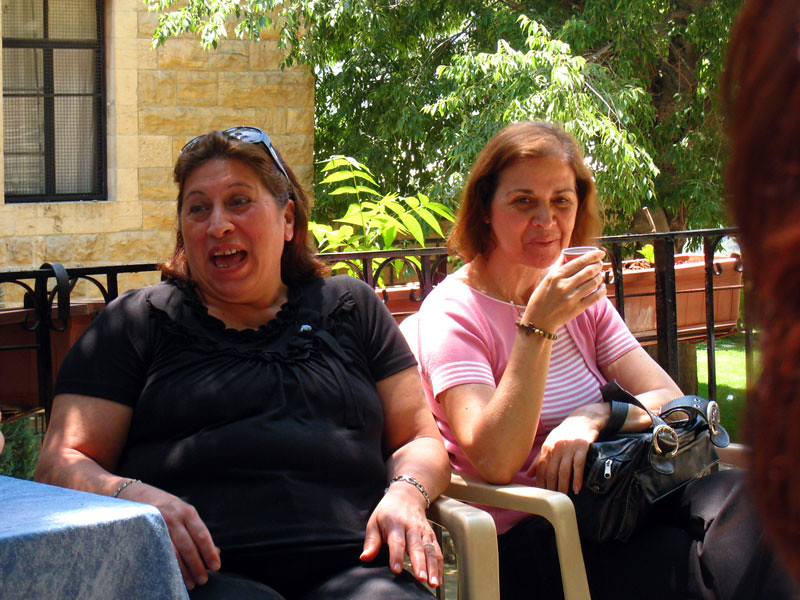
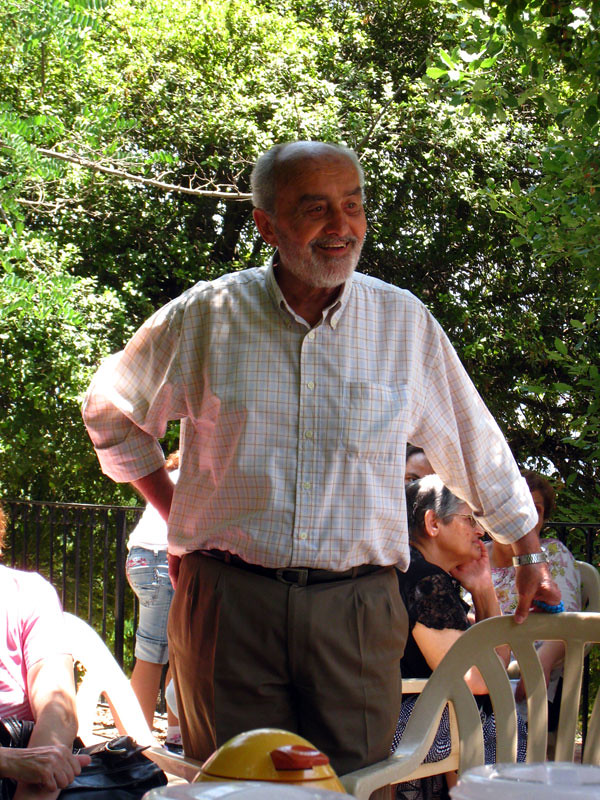
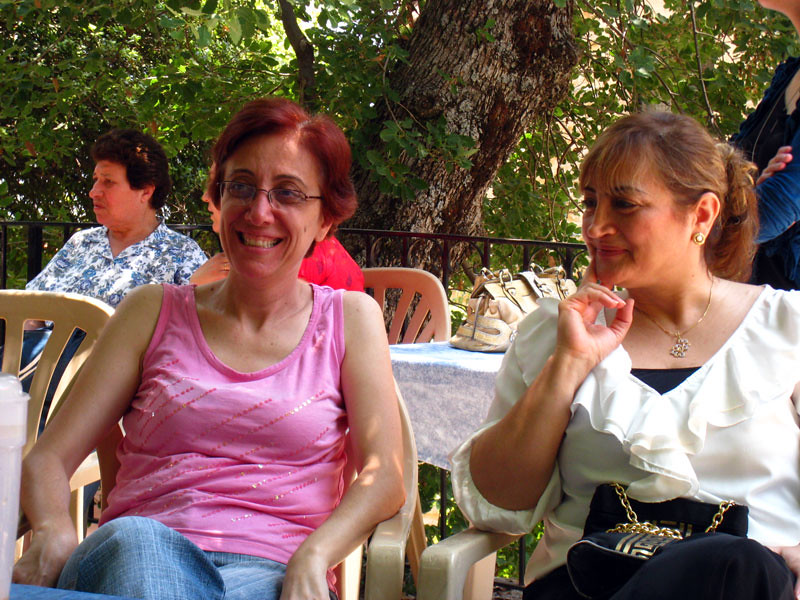
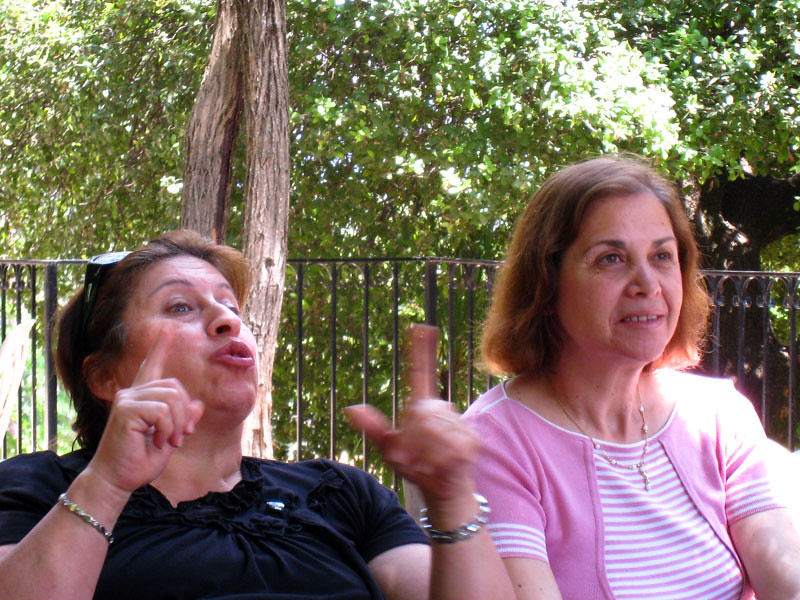
On Sunday, 3 July, 2011, in the Armenian Evangelical First Church, the Union of the Armenian Evangelical Churches in the Near East, celebrated with a worship service, the 165th Anniversary of the forming of the Armenian Evangelical Church in Istanbul in 1846.

The guests were Archbishop Kegham Khatcherian, representing the Armenian Apostolic Church and Vartan Ashkarian representing the Armenian Catholic Church. Present were also the Bourj Hammoud mayor, Mr. Antranig Messerlian, the Armenian Embassy representative, and the Armenian political parties as well as various social organizations.

The following pastors led the service: Rev. Paul Haidostian, Rev. Hovhannes Sevajian, Rev. Soghomon Kilaghbian, Rev. Raffi Messerlian, Rev. Hrayr Cholakian and Rev. Vicken Cholakian. The Armenian Evangelical Armiss choir, led by maestro Garo Avessian, also sang two hymns.

The President of the UAECNE, Rev. Mgrdich Karagoezian gave the sermon. “An alert mind, a kind heart, a devoted spirit, those were the qualities of our ancestors who led us with their vision”, said Rev. Karagoezian.

“Our culture and heritage might show our origins. However, that would not be enough to save us” he also added.

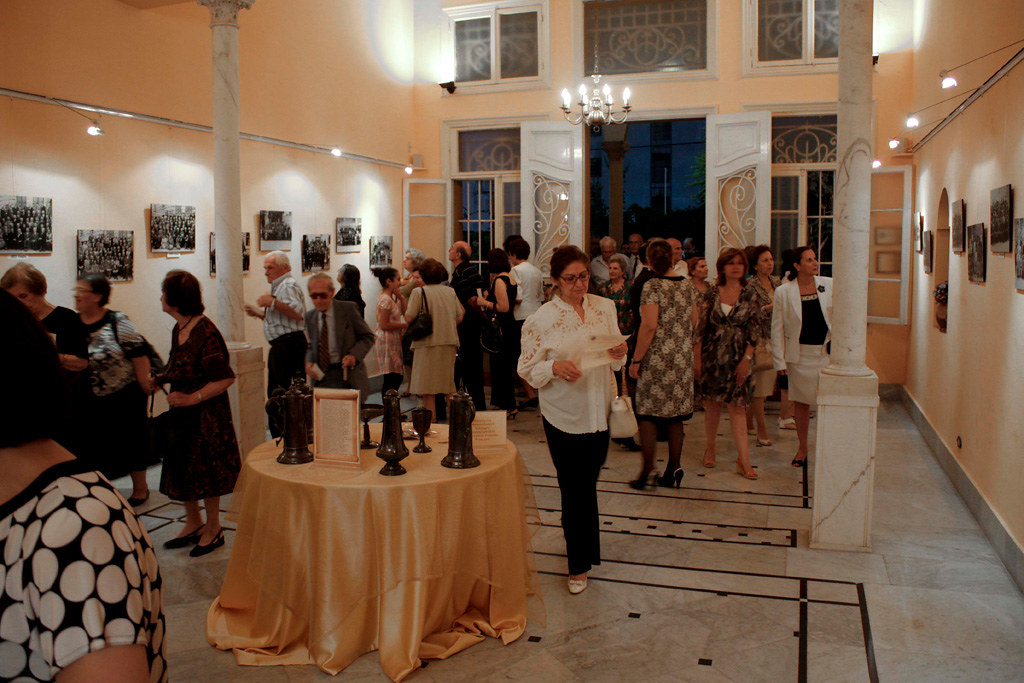
After the service, an exhibition was held at Haigazian University, featuring Armenian Evangelical publications, photographs, and communion and baptism vessels and church utensils.

Rev. Paul Haidostian, president of Haigazian University, gave a brief introduction of the exhibited objects, stating that some of them were used by the pastors. Moreover, he mentioned that some of the photographs were gathered from the collection of Rev. Manasseh Shnorhokian.


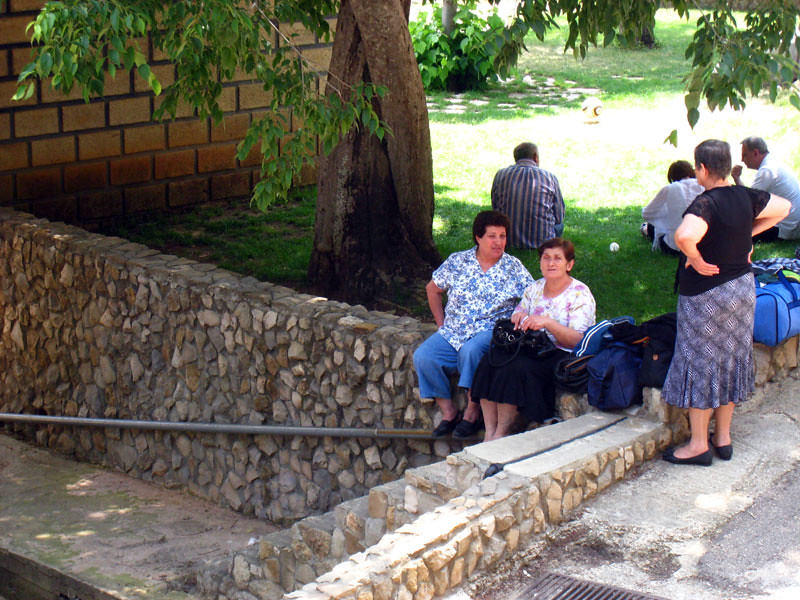
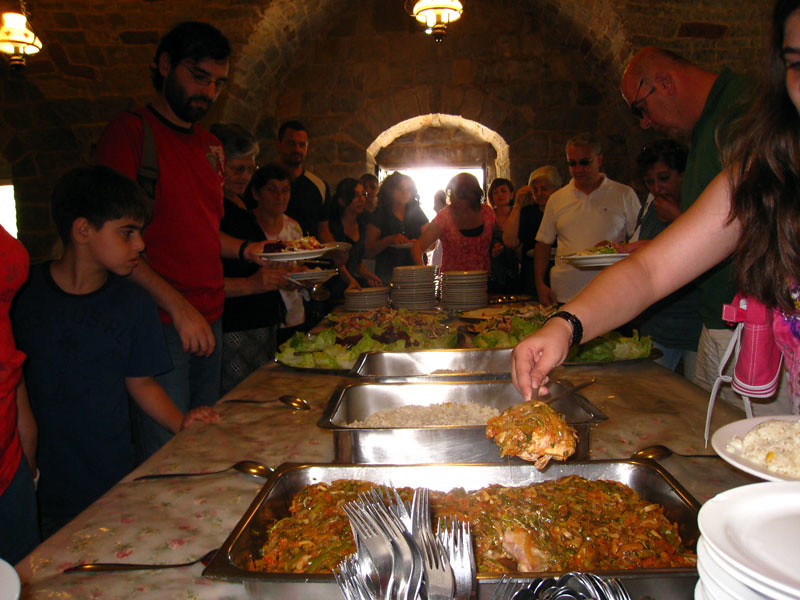
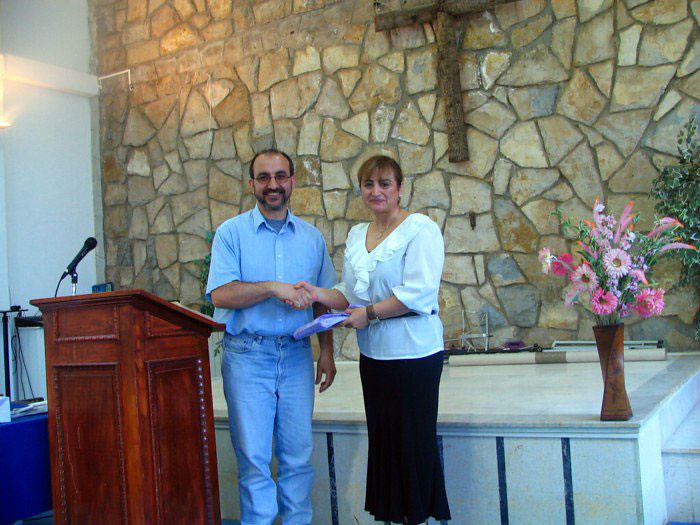
Photos (first four), courtersy of Mr. Krikor Aynilian

Mrs. Vera Svajian Preaching in the Mrouj Church

On Sunday, July 17 - the second worship service, for the summer of year 2011, was held in Mrouj Church. Mrs. Vera Svajian, the yeretsgin of the Armenian Evangelical Church gave the sermon, as well as played the piano. Mr. Sam Svajian, a member of Elders' Committee of the Emmanuel Church, led the worship. After the service, the church had fellowship and reception.


To Measure or Not to Measure?

This is an age old debate for the ministry world. Just so you know, I believe we can and must measure everything and that everything can be measured in the ministry world in fact it is our stewardship duty to do so.

For generations we have done ministry measurement by looking at attendance, buildings and cash. Did we have the biggest crowd this year or last? Do we have the latest technology, most comfortable room for our kids etc...? Do we have the most beautiful facilities compared to other churches around, a missions program that spent more this year than last, and have we grown our staff numbers? Take a look at your church calendar. Is it packed? Have you considered your ministry a success because you have developed activities for every age group, need or possible interest? Just how are you really measuring your ministry?

From what I see as I travel, I think success is often defined by busyness. But is that what God has called us to do? No, and it is an easy answer. Well if it's not all these things then what should you measure to determine if God is honored and pleased with the outcome of your efforts? Should we measure holiness? Yes, holiness is measured by what it takes to discourage you, see it can be measured.

Let me ask you, why does your ministry exist? The answer is easily found, you exists to make disciples. Not evangelism? No, to create more funds for missions? No, bigger staff? No, your ministry exists to make people better disciples, to have them lean into their heavenly father, further this month than last.
What we must measure is how many of "our people" are becoming totally devoted followers of Christ. It can be measured by how many are involved in ministry this year over next, how many people are doing the "work of the ministry".

Granted, making disciples is hard work, and it may be even harder to measure them. It is tempting to measure the easy stuff and just assume that the easy stuff is the indicator of our spiritual impact. I fear we have been measuring the wrong way and the wrong things for years. If we would measure the right things in the right way I believe w would have a greater impact in our communities and around the world.

Tom Atema

The Family Retreat of the Armenian Evangelical Emmanuel Church

The Family Retreat of the Armenian Evangelical Emmanuel Church took place in Dhour Shweir, from 24 July  till 26 June. The main theme was "Who will separate us from Christ's Love?", presented by Ms. Sonia Sislian.

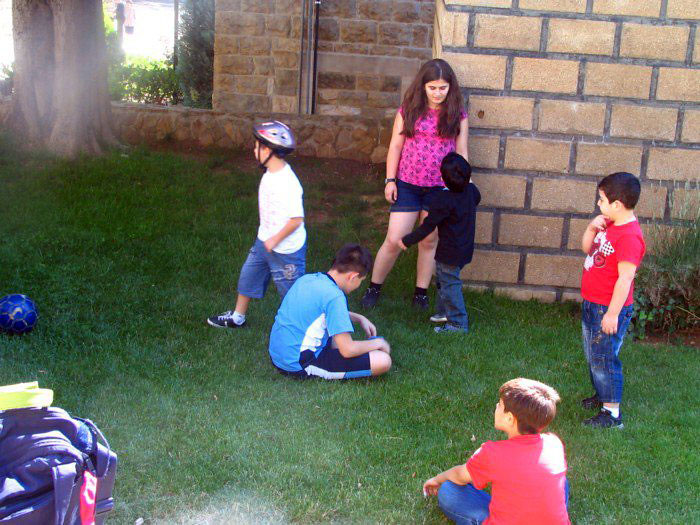
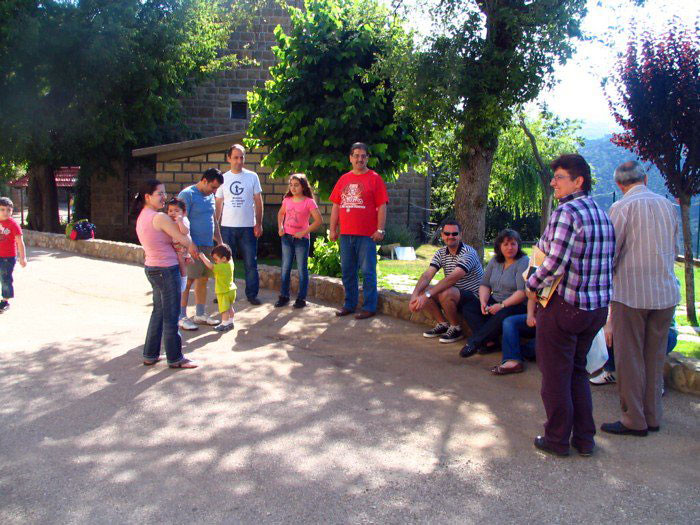
On Friday, 24 June afternoon, the families, kids, young men and women, adults were in the church playground to head to the Arab Evangelical Camp center, in Dhour Shoueir. Ms. Vartoug Balekjian led the opening worship time. The guest speaker, Ms. Sonia Sislian presented the main theme of the retreat.
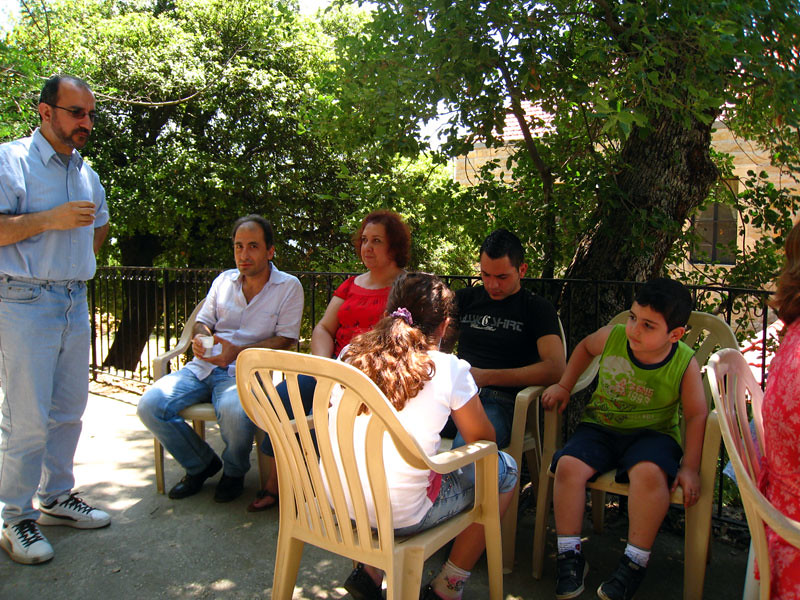
On Saturday, 25 June, the participants had their quiet time with God, after which they had worship time, led by Ms. Ani Baboghlanian.
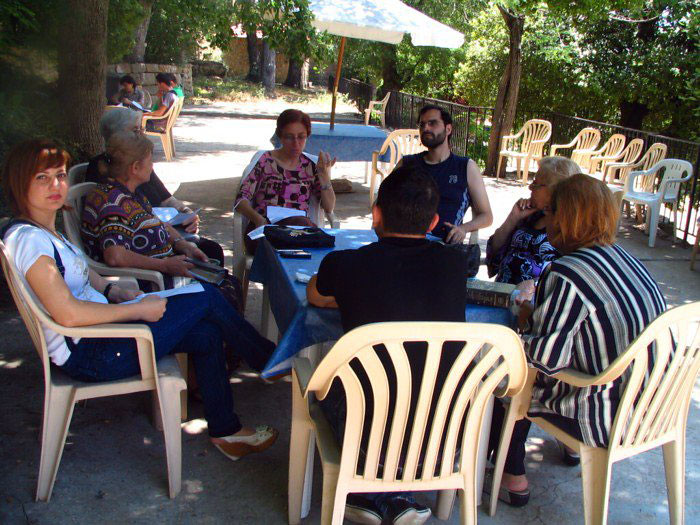
The first session of the guest speaker entitled "To Love, to marry and ... to divorce", that the marriage was between Adam and Eve, that God joins and Satan divides. The subject was discussed further in 4 groups.

After having lunch, the second session was entitled "To Love, to Marry and ... to Renew our Vow with Christ", that Christ is the church's groom, He loves us greatly.

After dinner, Mr. Manoug Ibitian and Mr. Anto Ovigian led the social and fun time, as well as Armenian sing songs.
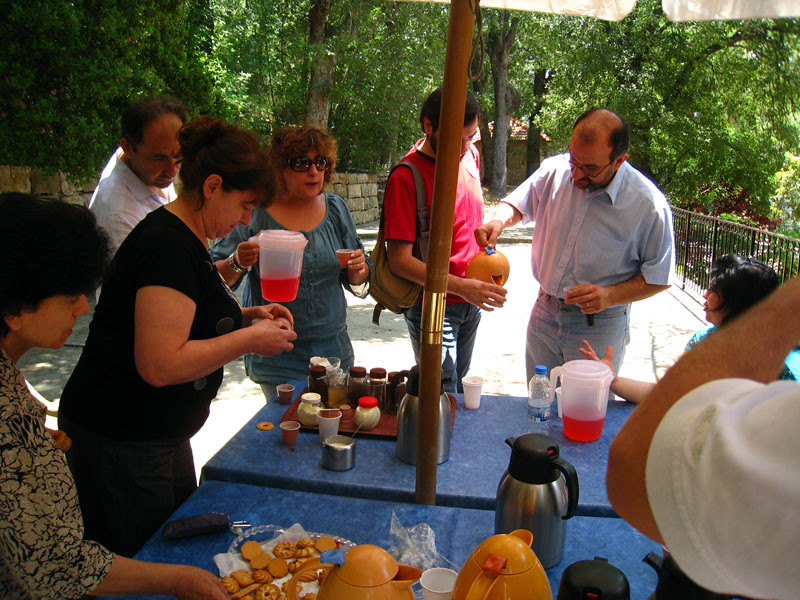
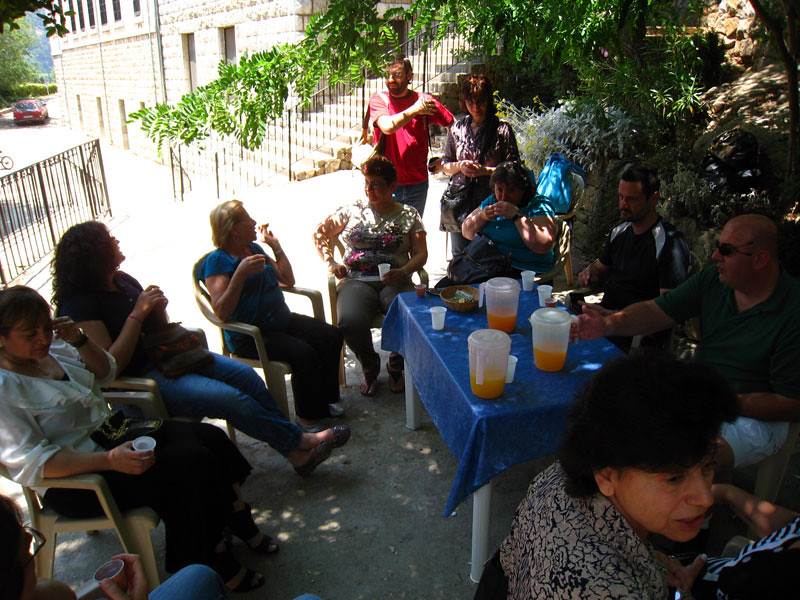
On Sunday morning, the worship time was led by Mr. Levon Bedigian. After having lunch and taking group photos, we headed back to the premises of the Armenian Evangelical Emmanuel Church.

The organizing commitee members were: Ms. Vartoug Balekjian, Mr. Manoug Ibitian, Ms. Ani Baboghlanian, Mr. Sam Demirjian.
The leaders of the discussion groups were: Ms. Vartoug Balekjian, Mr. Manoug Ibitian, Ms. Houry Barsoumian, Mrs. Vera Svajian.

Present were 38 members and 11 children.


Photos courtesy of Nazani Svajian and Mano Chilingirian

Haigazian University Launches the 31st Volume of the Haigazian Armenological Review

On June 22 Haigazian University launched the 31st volume of the Haigazian Armenological Review.
Editorial Board member Armen Urneshlian welcomed the audience and noted that for the last twenty years the Review has been issued punctually on a yearly basis and has been an occasion for men of letters and concerned individuals to gather. Mr. Urneshlian noted that the Review is well recognized and respected both in the Armenian Republic and the Diaspora due to set guidelines and principles which have to do with the definition of Armenian Studies, the age diversity of the contributors, the plurality of views and the scientific approach. Mr. Urneshlian reminded the audience that the bibliography of the 30 volumes of the Review has been published lately and is on the Haigazian University website too. Mr. Urneshlian announced that on the occasion of the 500th anniversary of the publication of the first Armenian book, the Editorial Board plans to compile a bibliography of Armenian books published in Lebanon. He welcomed all those who could help in this regard.
The guest speaker, Dr. Vartan Matiossian, assessed the record of the Review over the past forty years. He noted that delving into Armenian studies is a complex responsibility as it is the study of “an area and a people that existed even before the time of Sumer and has continued its historical existence till now. It is the study of the past and present of this area and people with a vision to the future,” and added that “we want to know who and where we were, who and where we are currently, and who and where we will be in the future.” Dr. Matiossian noted that the Review is one of the five Armenian Studies periodicals of the Diaspora that features research papers in Armenian and appreciated both its timely publication and its comprehensive approach to Armenian Studies. Furthermore he underlined the fact that for the last two decades the Review has been particularly committed to a multidisciplinary approach in its choice and assessment of articles.
Dr. Matiossian stressed that we cannot allow ourselves the luxury of conflict between classicists and modernists, as is frequently seen in Western scholarship, and that Armenian studies offer a continuous and overlapping record at multiple levels and in many disciplines with no time limitations. As an example, Dr. Matiossian referred to the table of contents of the 31st volume of the Review, underlining the diversity of disciplines, topics, contributors and timelines encompassed in the volume. Dr. Matiossian categorically rejected all attempts at politicizing Armenian studies and turning it into some kind of overarching field of national-strategic interest. He stressed that the current “witch hunt” carried out in some circles promises “no good at all” and that any definition of Armenian studies compartmentalized into “Armenian,” “European,” “American,” and so on is indeed groundless and divisive. Dr. Matiossian appreciated the outlook shown by the Editorial Board of the Haigazian Armenological Review and called for a more open, pluralistic and tolerant approach in Armenian studies.
Father Antranig Granian, the editor-in-chief of the Review, highlighted the need for an accessible grand library that enables the researcher to save time and have at his finger tips the sources he needs for his comprehensive research. Fr. Granian noted that such a grand library could be established through the internet and website and called the audience to pay attention to the editorial of the current volume of the Review, which accentuates the need of such a website and everything pertaining to Armenian Studies.
Finally Fr. Granian called on the audience to take the pleasure in reading the 31st volume.
In his closing message Haigazian University President, Rev. Dr. Paul Haidostian, welcomed the gathering on the occasion of the launching of the 31st volume of the Review, and thanked its editorial board and all those who contributed to its birth. Rev. Haidostian reiterated the necessity of preserving Armenian Studies in general as an appealing and important area for the young generations’ future education. Finally, Rev. Haidostian announced that soon Haigazian University would have its official Haigazian University Press registered at the Lebanese Ministry of Information.
At the end of the evening Rev. Haidostian, Dr. Matiossian and the editorial board cut the traditional cake.
The current 31st volume of the Haigazian Armenological Review is 764 pages. Attached you will find its table of contents and the editorial (both in English).
The volume will be on Haigazian University website in a week’s time.


The Haigazian Armenological Review was started in 1970 and has since provided the invaluable service of offering an annual forum for Armenologists from around the world. The HAReview is a bridge between Armenologists in Armenia and abroad. Its aim includes the promotion of original and unpublished research and scientific work in linguistics, literature, bibliography, history, culture, arts, medieval studies, social sciences, Christianity and international relations. Its international contributors hail from France, the UK, North and South America, Armenia and the Middle East and have included numerous important academics in the field. The HAReview is a multilingual, yearly publication which allows its authors to publish in one of four languages (Armenian, English, French and Arabic).