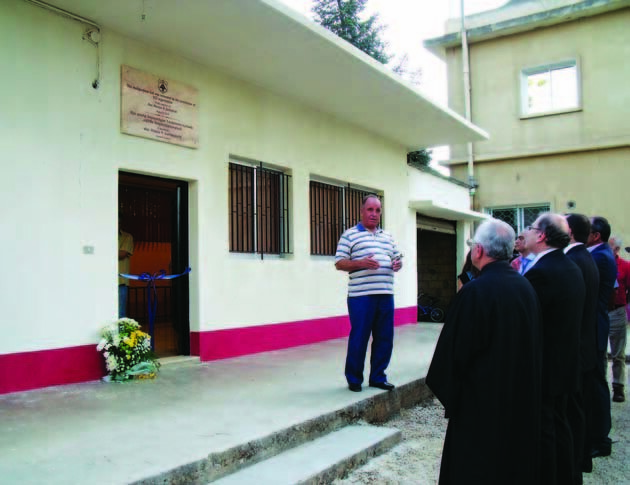
Rev. Dr. Movses Janbazian Hall Dedicated in a Special Ceremony


Mr. Kevork (George) Apelian

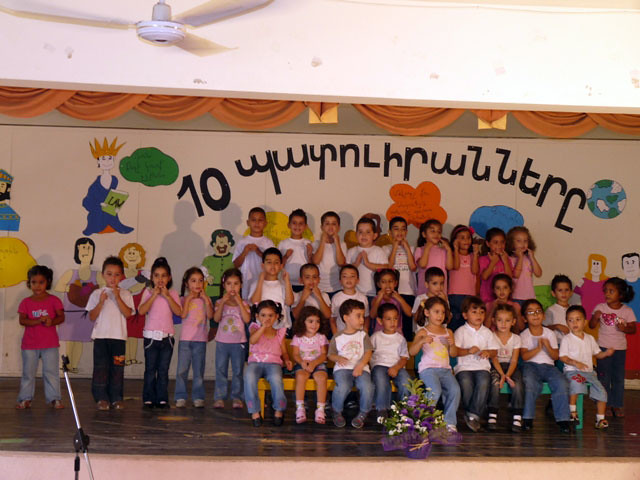
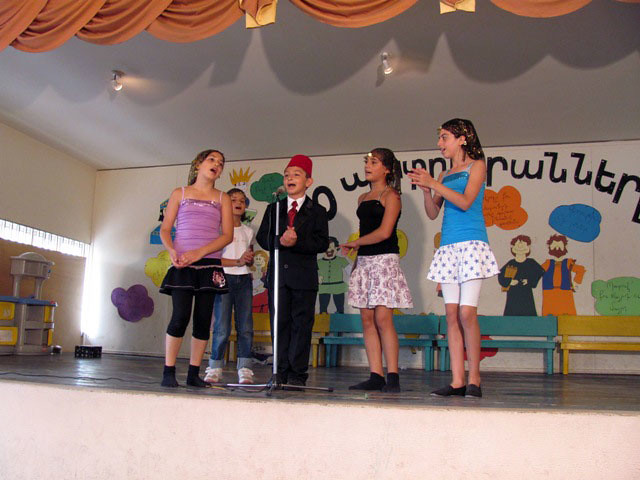
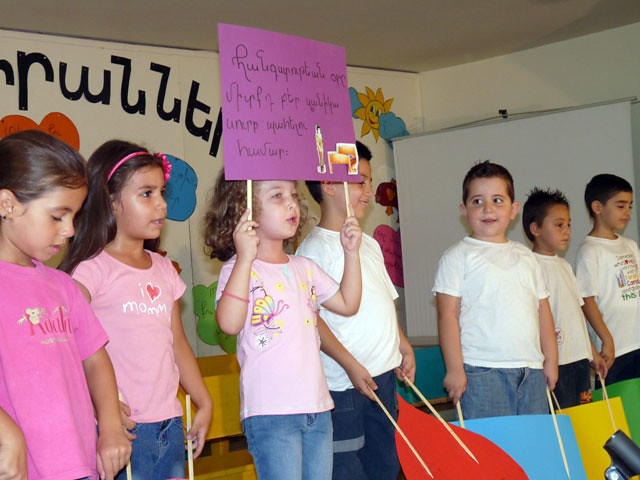
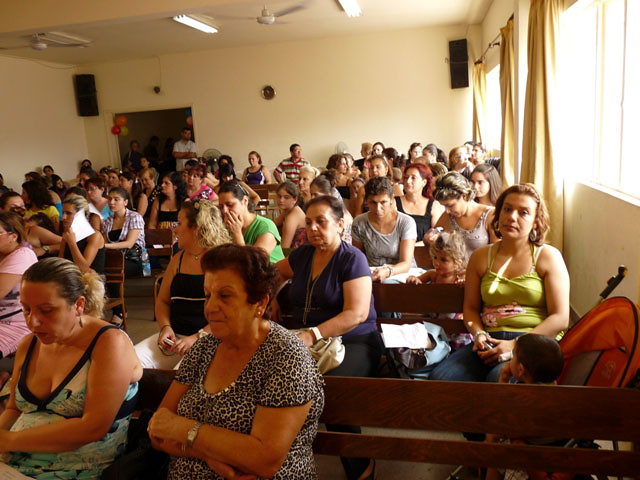
On Sunday, August 18, on the occasion of the 70th Anniversary of the Armenian Village of Ainjar in Lebanon, a special ceremony was held at the Armenian Evangelical Secondary School (AES) to dedicate a newly renovated multipurpose hall in memory of Rev. Dr. Movses Janbazian, on the 10th anniversary of his passing.
Rev. Megrdich Karagoezian, President of the UAECNE, was present at the ceremony where the ribbon-cutting was done by Mrs. Sona Janbazian Koucharian, sister of Rev.
Janbazian.
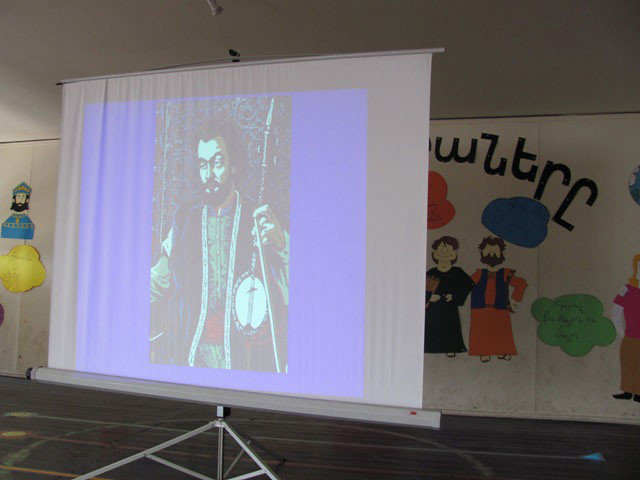
The new Janbazian Multipurpose Hall includes a sound system and LCD projector and will be used for workshops, lectures and other meetings as well as for a chapel for the elementary students.
Ainjar was the hometown of Rev. Dr. Janbanzian, former Executive Director of the Armenian Missionary Association of America (AMAA). He received his elementary and high school education at the AES School of Ainjar. He was also a member of the Armenian Evangelical Church of Ainjar and had served the congregation as a Sunday School teacher and a youth group director.

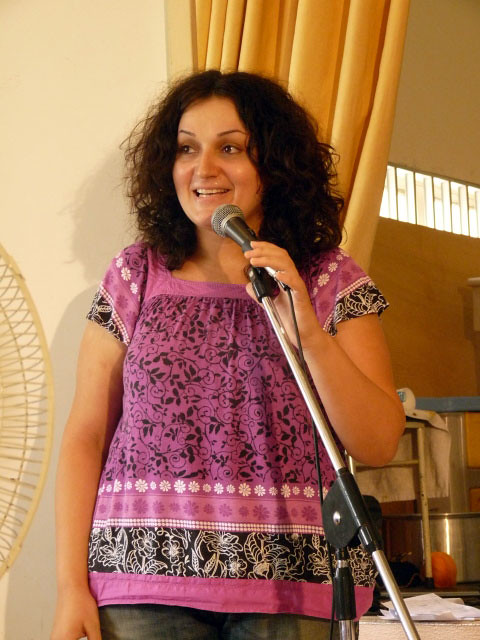
Summer Playground Report – 2010, U.A.E.C.N.E. Social Action Committee

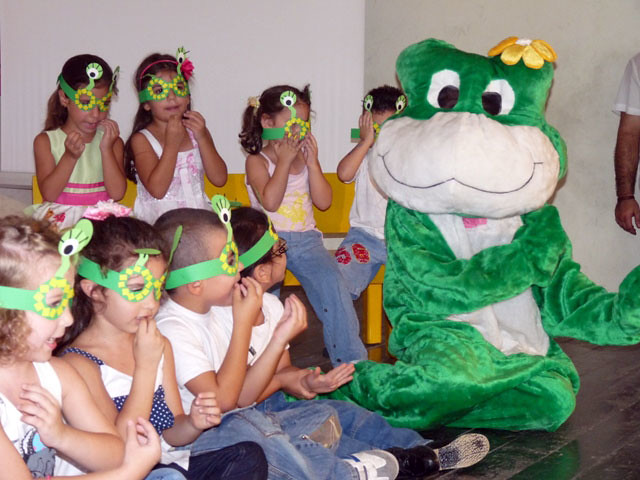
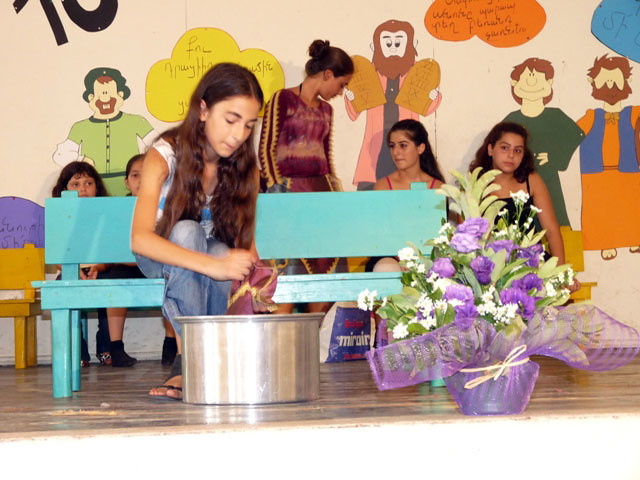
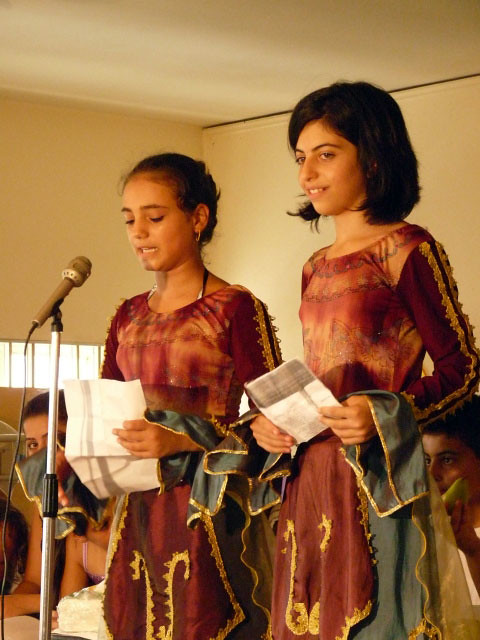
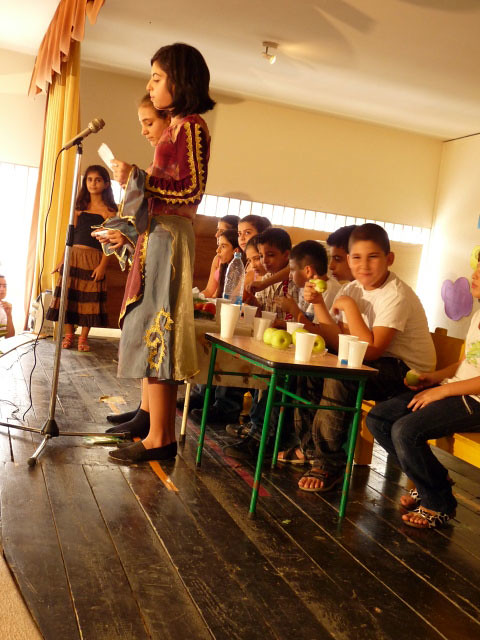
Cheers, laughter, and excitement filled the premise of the Armenian Evangelical Social Center in Trad, Bourj Hamoud, from July 12 – August 13, 2010. 100 children gathered every weekday from 8:30 am to 12:30 pm and became part of the exciting Summer Playground activities that were designed to meet many interests and to leave a positive impact on the children.


With the leadership of Miss Liza Barsoumian, the Counselor and Children’s Worker of the Social Action Center, Mrs. Maro Topeian, Mrs. Dzovinar Gumushian, Mrs. Kohar Jambazian, Miss Talar Kassarjian, Miss Alice Iprajian, Miss Nanore Saghrian, Miss Nareh Kerdian, Miss Nazani Svajian, Mr. Hrag Avedanian, Mr. Vartan Doudaklian, Mr. Sero Kelougian, Miss Areni Svajian, Miss Caroline Keshishian, Miss Roubina Margossian, Miss Dzovig Arnelian, Mrs. Vartoug Barsoumian, Miss Zarmig Soussani all enjoyed being with the children, whom they wanted to serve with a caring heart and creative mind.
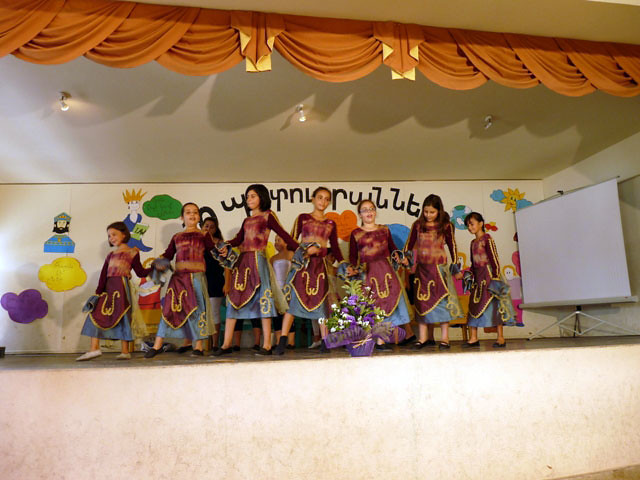


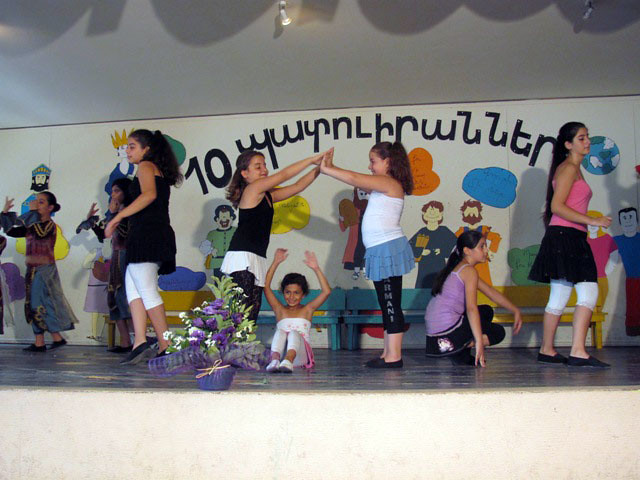
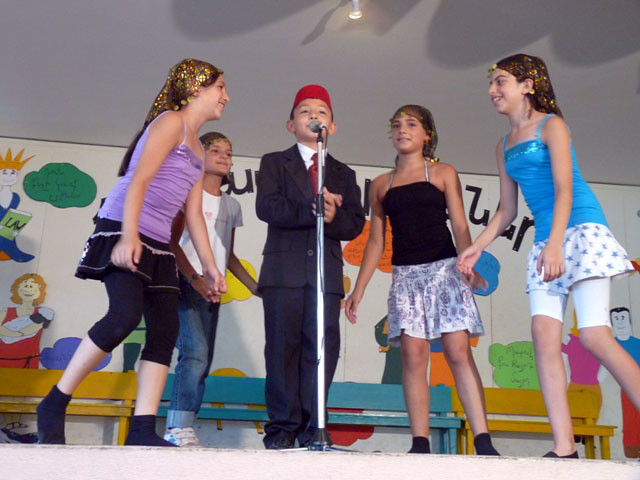
8:30 am was the time when kids gathered and got prepared to start their day. The program included worship time, Bible lesson, Psalm memorization, continuous story, and free games. Children of elementary age were asked to choose one of the following activity clubs: Crafts, Sports, Cooking, Dance, and Theatre. The groups gathered every Tuesday and Thursday, and each learned new things according to the specific club. The crafts group made interesting and creative items to be exhibited during the closing event. The cooking club prepared yummy food for the whole students to eat and enjoy. The dancers and theatre crew got prepared to perform in front of their parents during the closing event. As for the sports group, the participants followed the coach’s instructions in stretching, playing sports games, and staying fit.


Thursdays were announced as “Cultural Day”. During those days, the children were introduced to the history, culture, arts, and songs of each of Lebanon, Armenia, Italy, and France. The Kindergarten had its special program of crafts, story-telling, worship, games, and other recreational activities.


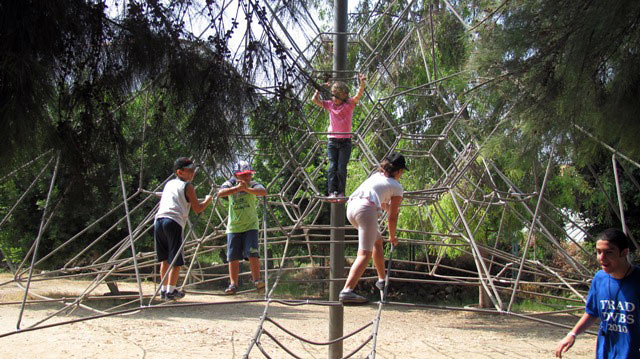
Fridays were reserved for outings. The children enjoyed visiting and playing at Beirut Mall’s Adventure World, Youpie Park, Blue Beach and Living Colors.
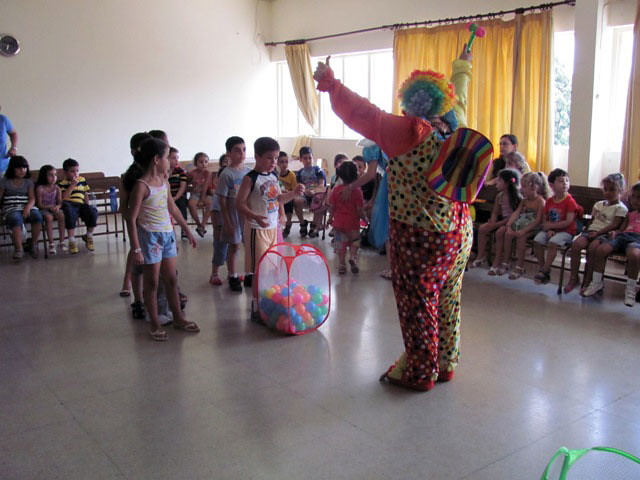
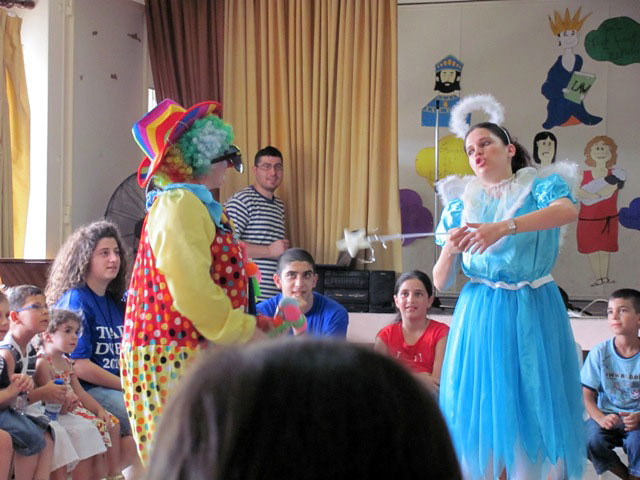
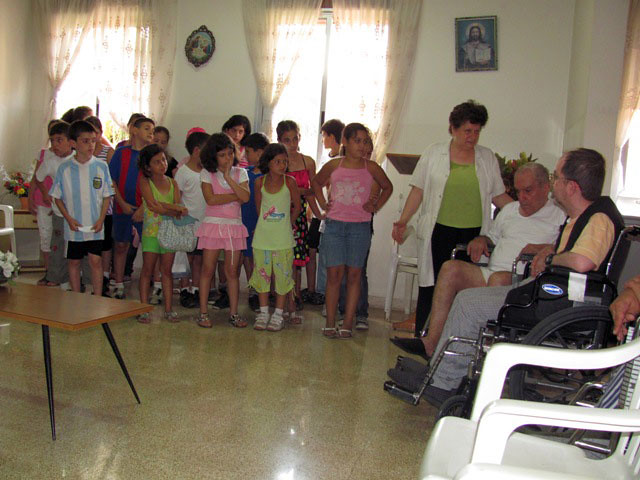
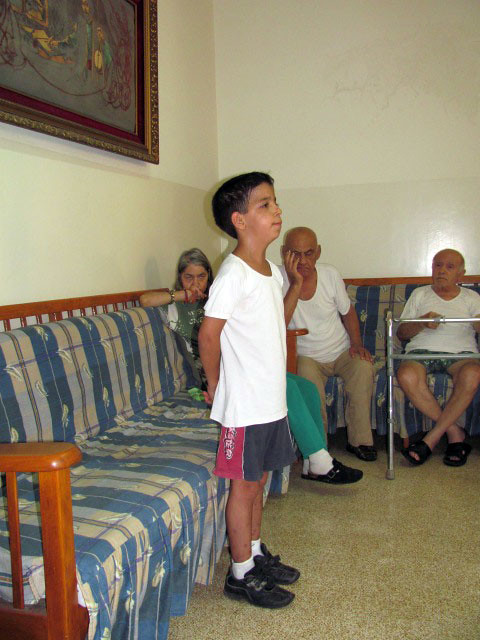
In addition to the visit of the “Parev Pokrigner” animation group to our center, other activities included a joint event with the Armenian Evangelical Emmanuel Church’s DVBS group, and a visit to the Old People’s Home (CAHL) where the children met with the older generation and sang, recited verses, and listened to the grandparents residing at the institution.


The whole program, along with the closing event, wouldn’t have been possible without the readiness of 17 leaders who chose to play an active role in making this summer remarkable for the children.


We thank God for being with us during the five weeks of DVBS, during which we enjoyed many blessings through His little creations and through the talents which He has endowed the leaders with. We pray that the seeds that were sewn be watered and nourished by His Spirit, according to His wisdom.


August 2010

Photos of the 2010 Summer Playground of the U.A.E.C.N.E. Social Action


Outing to Beirut Mall


Outing to Youpie Park


Outing to Youpie Park


Visit of the “Parev Pokrigner” animation group


Visit of the “Parev Pokrigner” animation group


Visit of the “Parev Pokrigner” animation group


Armenian Cultural Day


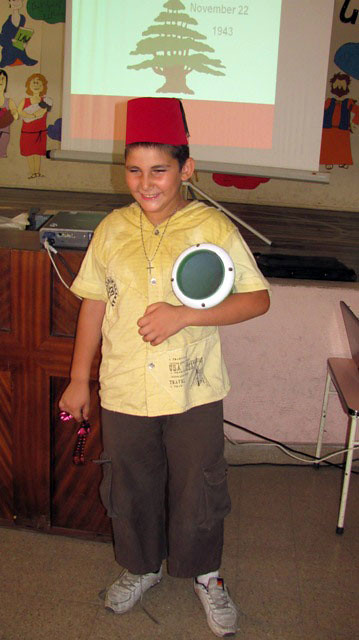
Lebanese Cultural Day


Lebanese Cultural Day


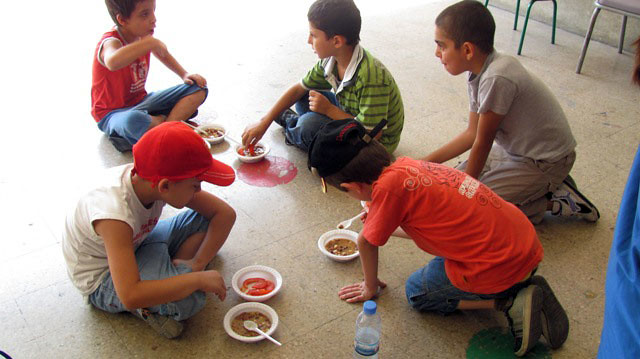
"Foul" Eating


"Foul" Eating


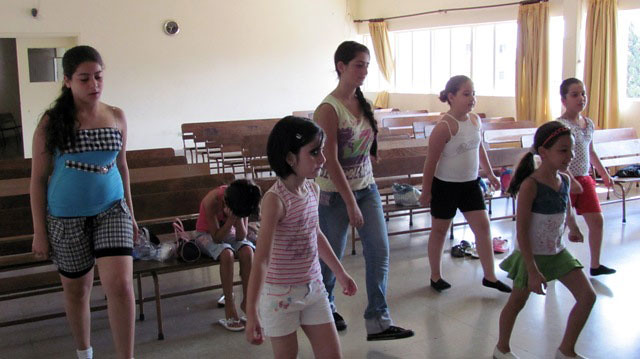
Dance group


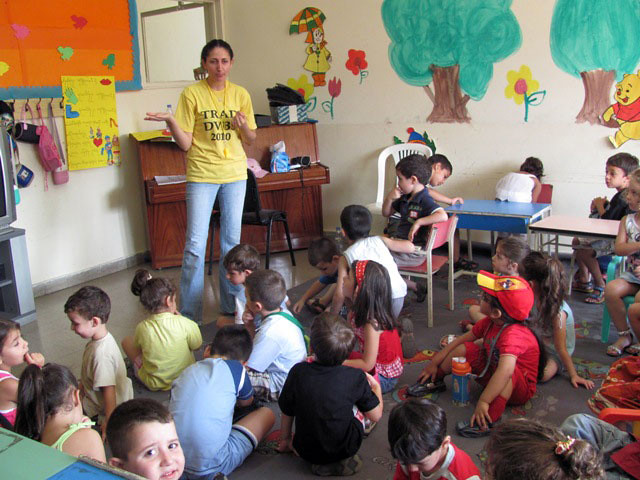
KG Worship


KG


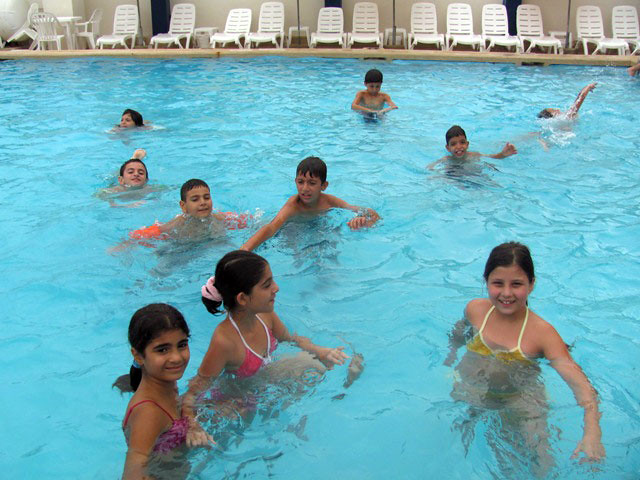
Swimming at Blue Beach


Swimming at Blue Beach


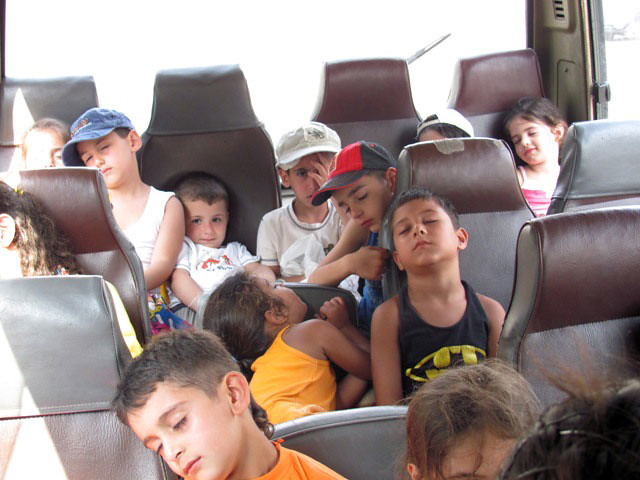
Returning Back from Blue Beach


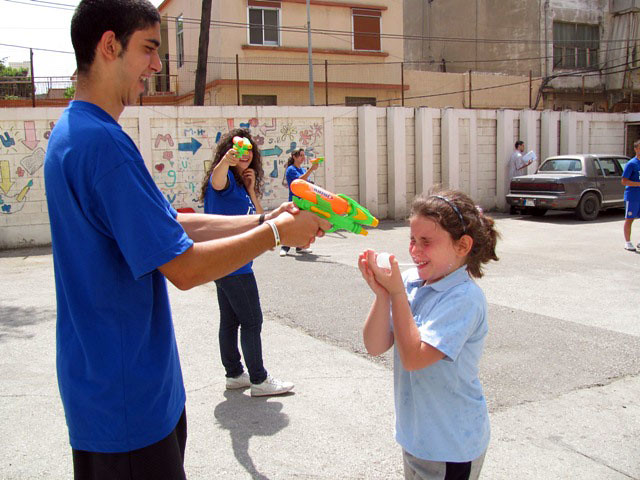
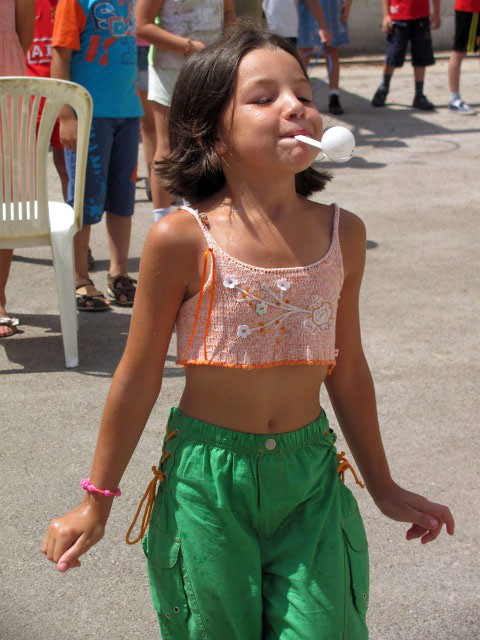
Games


Games


Games


Visiting CAHL center


Visiting CAHL center


Visiting CAHL center

Personal Statement on Kamp Armen, by Garabet Orunöz (Turkey)

Deaf Friends,


Kamp Armen was our ATLANTIS which We had built with our own, very hands. I won’t say much... I was sent to Kamp Armen, because I was orphaned. My prayers are for Sara. Makasçi who sent me there, for Hrant Küçükgüzelyan who was our constitutive principal and for Hrant Dink who had been struggling against the camp’s seizure, May God bless them all!
Kamp Armen was the name of our childhood house. I had learned ‘the art of living’ in there. I had never seen my mother, but was never deprived of love. I had never felt that it was necessary to hide away the tears.
In Kamp Armen, I had learned not only to share, but also to jealous... the glory of success and to concede defeat; to come to terms... the value of having few, and that sometimes, too many is weary.
I got bored sometimes. I had tried to escape for a couple of rimes. I was caught. I got the bashing.

I was surrounded with nature, with our animals. We had a horse, a dog. We even had a couple of monkeys: cows, sheep, goats, turkeys, gooses, ducks, chickens, bees... I had learned how to take care of these animals; how to inoculate a tree and get three different fruits from the same branch in there.
I had learned the smell of the earth after rain in Kamp Armen. . . to look for the mushrooms, which I wiped on my trousers, in its garden; in the garden where I had also found my orphan sister afterwards.
I had learned how to light a fire in cold winter nights; to dream about my future in hot summer days, and not to lie under my circumstances in Kamp Armen.
I had learned not to let anyone to judge me when I am right and not to judge anybody for his/her rights; but to listen, but also to question... to resist for my rights and to standd still when I know I am right in Kamp Armen. I had learned to have a simple way of life; to say yes, and to say no; to say I want to and to say I don’t want to in Kamp Armen.
I had learned to finish school season with one outfit; to be clean, to appreciate kinship, teach it to the one who does not...
I had also learned in there to speak in short; that everything has an end, including the life itself.
I had learned that one has three rights to ask for (and I saved them for the end):
One, to respect hard work; two, to say ‘I love you’ and finally; three, to lose... I had learned them all, in Kamp Armen.


Garabet Orunöz

Habitudes

On January 14-15, 2011, Heart for Lebanon organized a 24 hour leadership seminar held in Harissa, to discuss the book “Habitudes: Images that form leadership habits and attitudes” by Dr. Tim Elmore. Youth groups and organizations from all over Lebanon, Syria and Jordan totaling an audience of 150, participated in this seminar. The key speaker was Morgan Hill, who has served as an associate trainer with Equip, an international non-profit organization which develops Christian leaders on every continent.


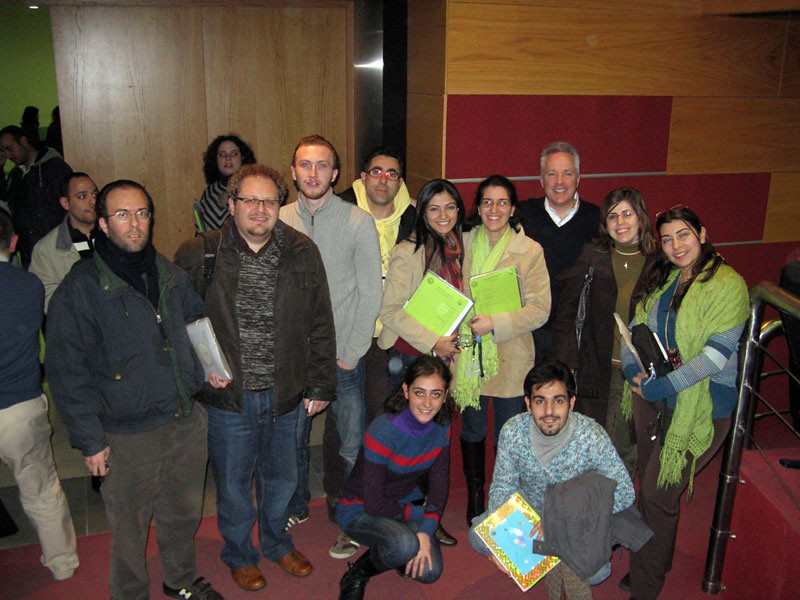
(Front, L to R): Anayis Messrian (Armenian Evangelical Nor-Marash Church), Hagop Akbasharian (NEST student)
(Back, L to R): Luder Aritinian (Armenian Evangelical First Church), Badveli Datev Basmajian (Youth Minister of the Armenian Evangelical Churches), Shant Aynilian (Armenian Evangelical Ashrafieh Church), Samuel Kelougian (Armenian Evangelical Ashrafieh Church), Taline Chakerian-Messerlian (Armenian Evangelical Nor-Marash Church), Shushan Artinian (Armenian Evangelical First Church), Morgan Hill, Rosy Sailian (Armenian Evangelical First Church), Silva Chilingirian (Armenian Evangelical Nor-Marash Church).

Morgan, who is also the Chairman of the Board for Heart for Lebanon, began his interactive lecture by introducing the term “ICE” that stands for Image, Conversation and Experience. He stated that images can form leadership habits and attitudes. Today’s generation has grown up in an image rich culture with photographs, movies, television, DVD’s, facebook and therefore, cannot avoid the power of visual image. When I say elephant for example, what pops into your mind: the letters e-l-e-p-h-a-n-t or an image of an elephant?

Thereafter, Morgan began introducing and explaining twelve images (I will mention only five) that represent leadership; in between each image presented, the young leaders were divided into groups of six or seven individuals to brainstorm and discuss each image, that created a conversation between the participants who eventually came up with solutions in order to improve their leadership skills and character.

The first rule of leadership is represented by an image of an iceberg. The 10% of the iceberg above the water represents the skills of a leader, while the rest that is below the water represents his character. Here he brought up Titanic, the great unsinkable ship that sunk due to an iceberg. ”It is what is below the surface (the 90%) that sinks the ship.” The 90% includes character qualities that are not always visible to others, such as self-discipline (ability to do right even if you don’t feel like it), core values (principles you live by), sense of identity (who you are in Christ) and emotional security. Luke 6:43-45 God puts “being” before “doing”.

The second image was that of the “starving baker” who works from 8 am till 8pm and never gets the chance to taste his bread. The starving baker represents leaders that are so busy feeding, nurturing and guiding young people that they themselves don’t have the time to taste the “bread of life” John 6:35. Many leaders fail to tend to themselves up to a point where they can no longer go on serving others. To be able to feed others, you have to feed yourself first.

Another image was “Thermostat and Thermometer”. Are you a thermostat, who acts based on principles and values that you embrace or do you react to situations like a thermometer, reflecting the temperature in the room? Leaders who are thermostats are authentic people who live by principles. Dr. Billy Graham, an American Evangelical Christian reverend, is well respected, not merely for his insightful sermons, but because he lives by his values and is a principle-centered individual.

Next came, the image of a “Half-Hearted Kamikaze” and a personal favorite. Just as Kamikaze pilots, leaders are only useful if they are fully committed to their mission. A half-hearted Kamikaze pilot was interviewed after his 50th mission was completed. Astonished that the kamikaze pilot was still alive after 50 missions, the interviewer asked the pilot: “how is it possible that you are still alive?” the pilot answered, “well, I was very involved. Not committed, but involved.” Matthew 16:24. What is the difference between involvement and commitment? In order to fully comprehend the difference “You should ask a pig and a chicken after eating bacon and eggs for breakfast,” says Dr. Tim Elmore.

Finally, leaders should be like drivers and not passengers (another image). When people are in a difficult situation, they tend to blame others for their problems and don’t assume responsibility. They act as a passenger, not a driver. True leaders realize that they are the drivers and are responsible for their attitudes and destination in life.

The seminar was enriched with an innovative worship session called Liquid Worship. A youth group leader from Youth for Christ (YFC) explained that ‘Liquid’ here, meant movement. Participants were to quietly move in between a maze of worship stations or corners and to meditate in silence. The prayer corner was where people gathered and quietly prayed for Lebanon and its youth. The craft station had tables, chairs and craft materials that allowed the participants to come up with creative yet spiritual crafts. The young leaders also visited the wall covered with colorful hand written prayers, stared at it read the prayers and admired them. Also among the stations were the hall of worship songs, the corner of offerings to God and the station of Thanksgiving. It was quite a refreshing way to worship God; you were surrounded by many serene worshippers, yet you were in solitude, giving thanks and praising God in your own quiet way.

I want to thank God for the opportunities he gives us, to know Him, love Him and serve Him better and would like to finish this article with a famous quote by John C. Maxwell, “A leader is one who knows the way, goes the way, and shows the way.”

Reference: T. Elmore, “Habitudes: Images that form leadership habits and attitudes”, 2009.


Shushan Artinian,
Armenian Evangelical First Church

Christian Endeavour Executive Body's Annual Banquet in Anjar

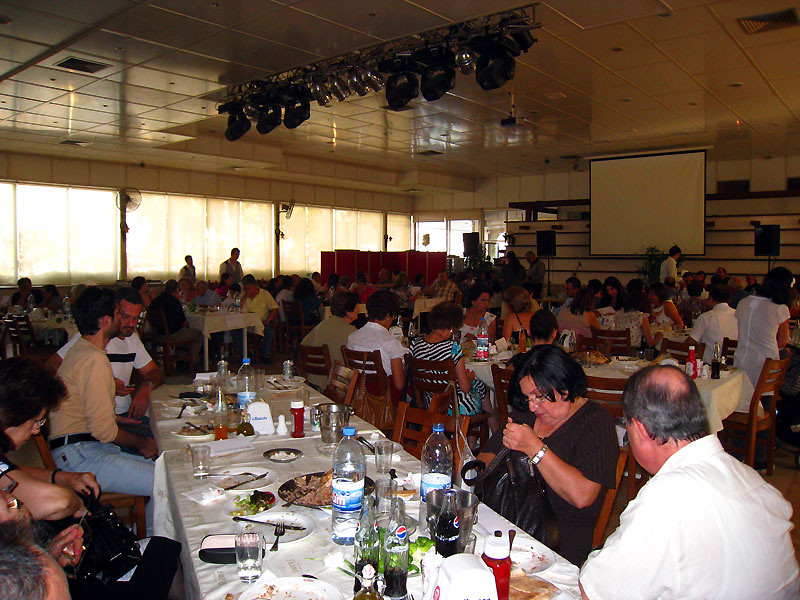
The Chanitz Kordzatir Marmin's Annual Banquet (CE Executive Body) was held in Arev restaurant, on Sunday, September 19, 2010. Elderly, youth and kids participated from the five Armenian Evangelical Churches (Marash, Ashrafieh, First, Emmanuel and Anjar). The purpose of the banquet was to come together for fellowship and to encourage and support the mission of Chanitz Kordzatir, which has called Badveli Datev Basmajian to be their full time youth minister.

Rev. Raffi Messerlian welcomed the guests and thanked all those who were present. He also introduced the new youth minister, Badveli Datev Basmajian. Mr. and Mrs. Seto and Silva Baghdassarian sang and performed Armenian songs.