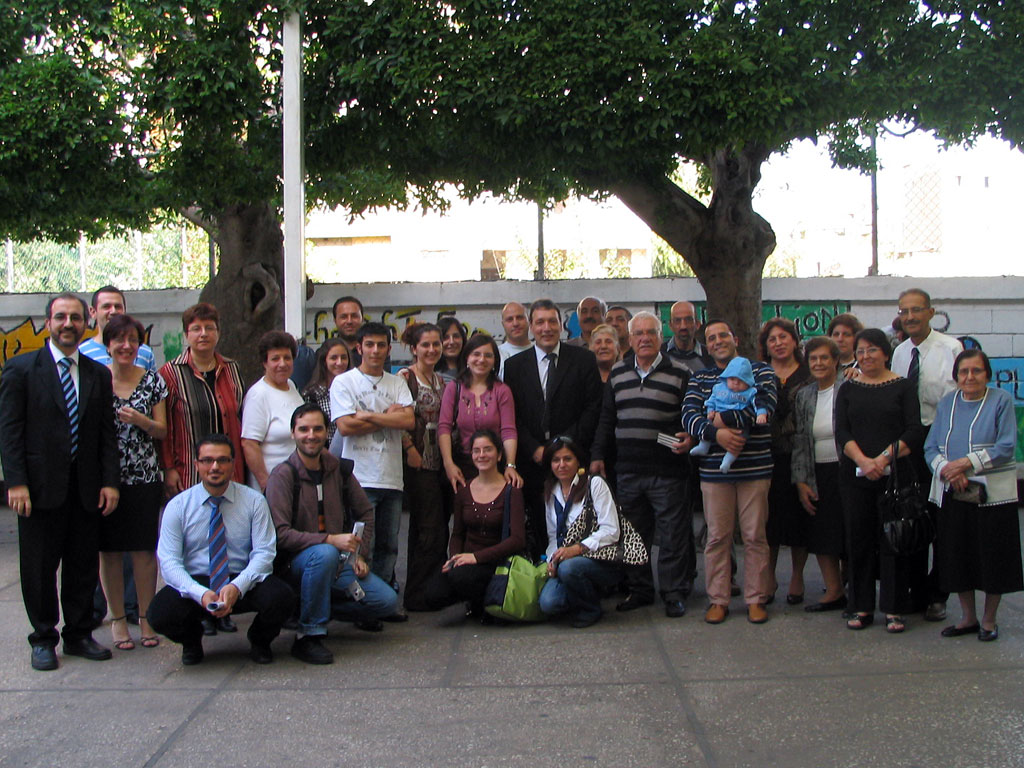
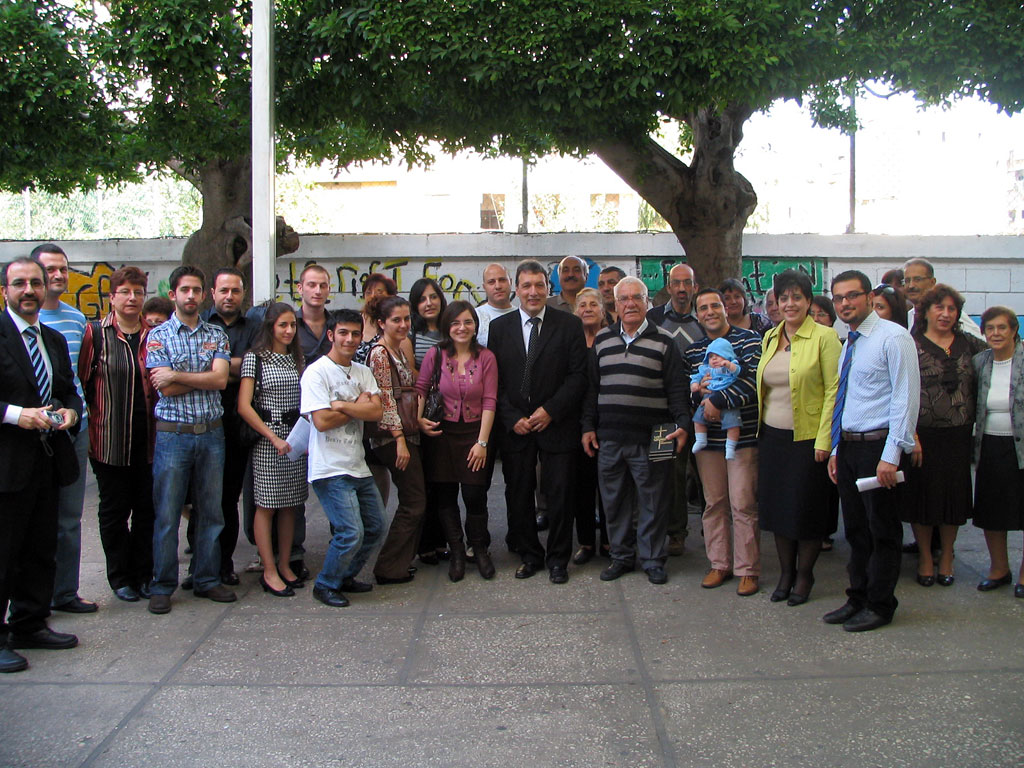
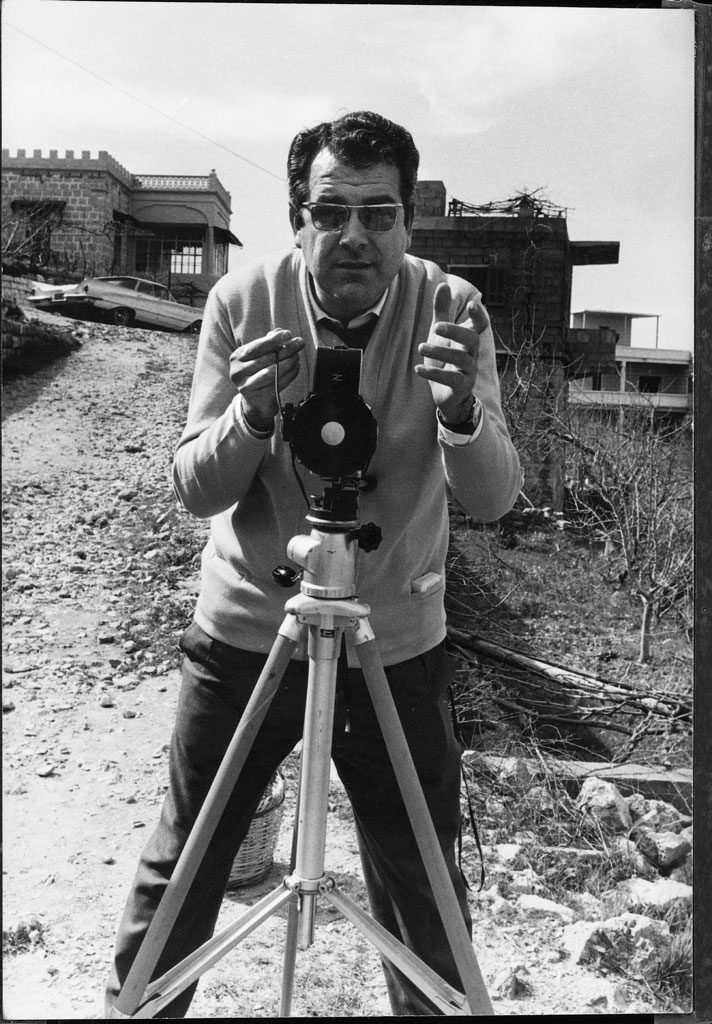
Interview with Rev. Hagop (Jacques) Tchoghandjian About the Armenian Evangelical Churches in France
- What is your opinion about Lebanon, since we know that this was your first visit?
- How would you evaluate the evangelistic meetings that were organized by the Armenian Evangelical Emmanuel Church?
- How is the condition of the Armenian youth in Lyon in general and the Armenian Evangelical youth in specific?
- How is the relationship of the Armenian Evangelical Churches in France with the Armenian Apostolic and the Armenian Catholic Churches respectively?
- Does using the two languages, French and Armenian in the Church worship become a hindrance to the preservation of the Armenian language and identity?
- Does the Armenian Evangelical Church in Lyon coordinate with the Armenian cultural organizations and parties regarding April 24 and Armenian cultural events?
- What is your opinion about our Chanitz blog and newsletters?
You will listen to the answers to these question that Hagop raised with Rev. Hagop Tchoghandjian. The interview is in Armenian.
CHANAGHPOUYRTeam
The Armenian Youth’s Affair with Hedonism
Architects (Mardiros Altounian – designer of the Lebanese Parliament building), engineers (Zaven Khedeshian – engineer of Bikfaya Monument), authors (Claudia Marchelian - screenwriter), photojournalists (Harry Kundakjian – AP photographer), painters (Paul Guiragossian), religious leaders, doctors, comedians (Pierre Chammassian), athletes, psychiatrists (Dr. Antranig Manoogian), composers (Jelalian), merchants, businessmen, and industrial leaders. Those are some of the 20th century’s reputed Armenians of Lebanon who produced magnificent magnum opuses in their respective avocations.
Unfortunately much changed after the civil war when a large portion of our pundits emigrated to greener pastures. The younger generation was left without its chef d'oeuvres to emulate. Today, many Armenian youths in Ashrafieh, Bourj Hammoud, Dora-Amanos, Fanar, Rawda, Jdeide, Zalka, Jal El Dib, Antelias, Mzher(Dzaghgatzor), Naccash, Dbayeh, Jounieh, Jbeil, Tripoli, Zahle and Anjar have precipitated into mediocrity. They have no aspiration to achieve noble heights. All they perceive around them are drug dealers, drunkards, businessmen who make illegal money, pimps, and political leaders who go on bickering endlessly against each other. Legions of bright adolescents have plunged into having an affair with the petty philosophy of hedonism – going high on drugs and wasting their lives pursuing the luscious night life and the so-called no-attachment-sex. On the educational arena, our schools have fallen behind in reforming the teaching methods and hiring teachers with updated skills. Moreover, Armenian families have failed to engrave self-confidence into their children and bestow upon them the love of books and education.
From another scene in Hamra, Verdun, Zkak el Blat, and Ain Mreisseh, where the majority of the communities belong to the Muslim faith, the picture is quite different. Today our Muslim compatriots are leading the country on most grounds – intellectual, moral, and spiritual. Muslim families are elevating the self-confidence of their sons and daughters, encouraging them to be proud of their religion and ethnicity, and enrolling them in superior schools which would prepare them to graduate cum laude from European and American universities. By the same token, Muslim families have succeeded in preserving the sacredness of family and advocating extracurricular activities by registering their kids in fine arts classes from dancing, music, and theater to painting, sports, and foreign languages.
During a TV interview I was watching about a year ago, ex-Financial Minister Damianos Attar, who had served in Prime Minister Mikati’s cabinet back in 2005, made an interesting remark stating that the reason Christians were spearheading Lebanon in all spheres was because of their possession of moral integrity. Hence, the only way for Christians – and Armenians in specific – to effectuate nobleness of character is to regain their lost faith and moral ground.
To counter the waves of pessimism and self-loathing the Armenian Church, community, parties, institutions, and leaders should seek out the younger generation, build communication bridges, and become their life mentors before our youth further slip into the abyss of doom right before our eyes. The older generation and our sages have much to teach and pass on to the next generation. They were the offspring of bruised, torn, and hungry Armenians who successfully carved into their children’s hearts the will to achieve, the tenacity to persevere, the morals to nobility, the love of family, and the faith of our forefathers in order to have life and have it abundantly.
ManoChil
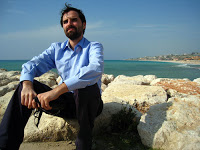
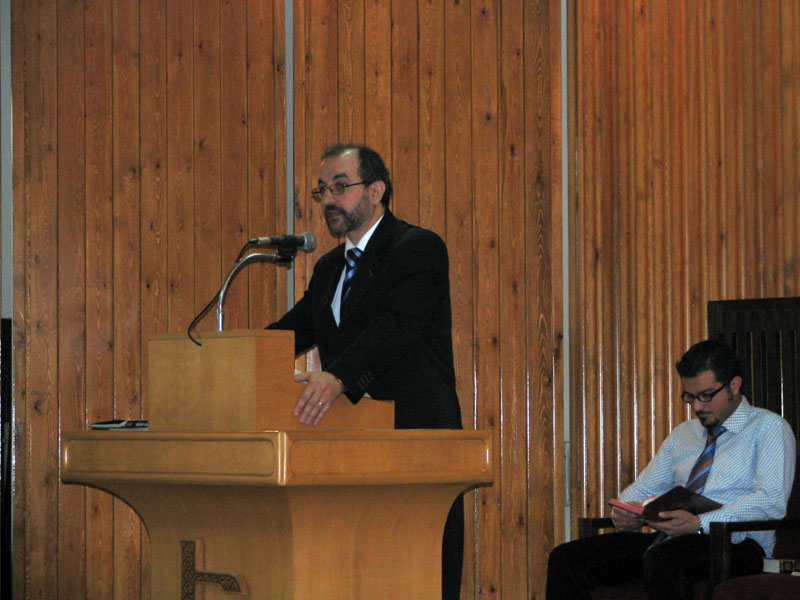
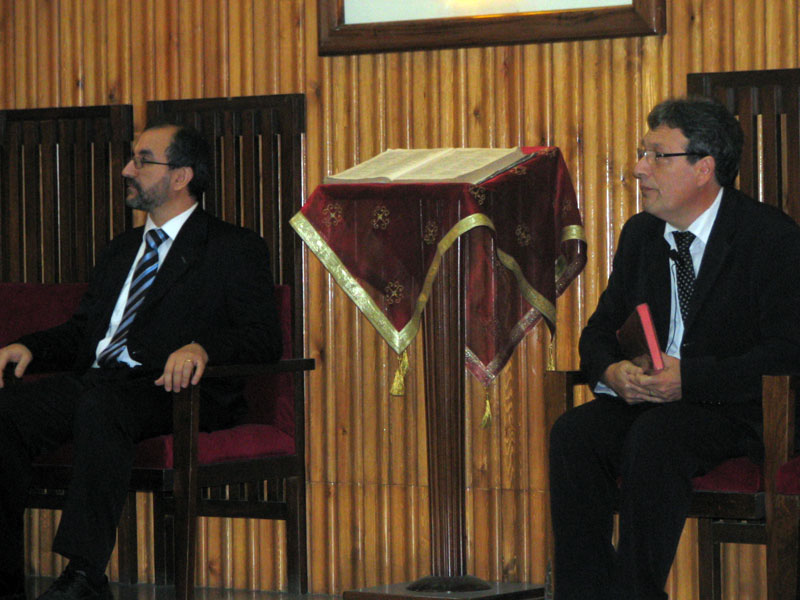
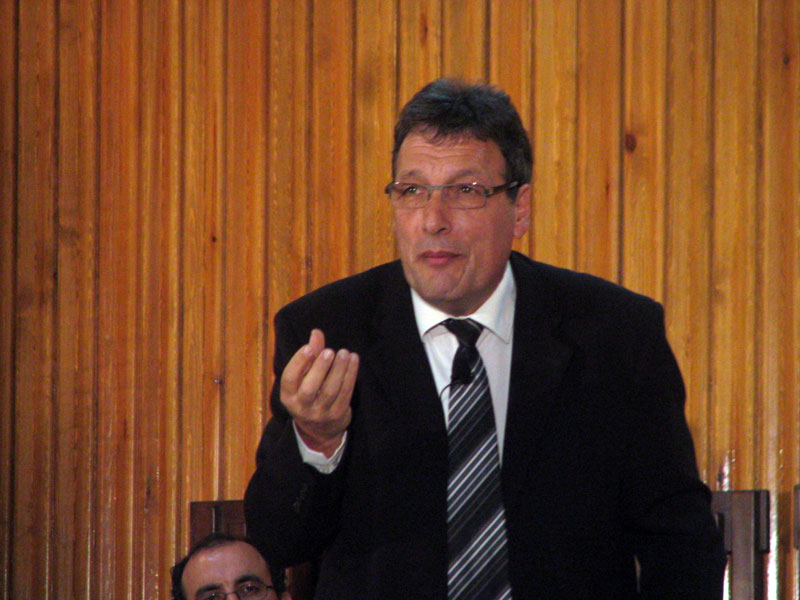
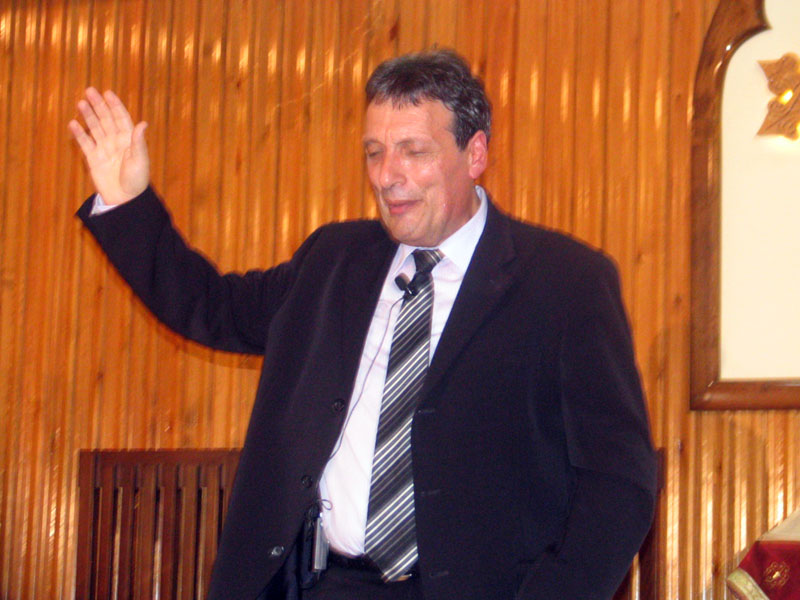
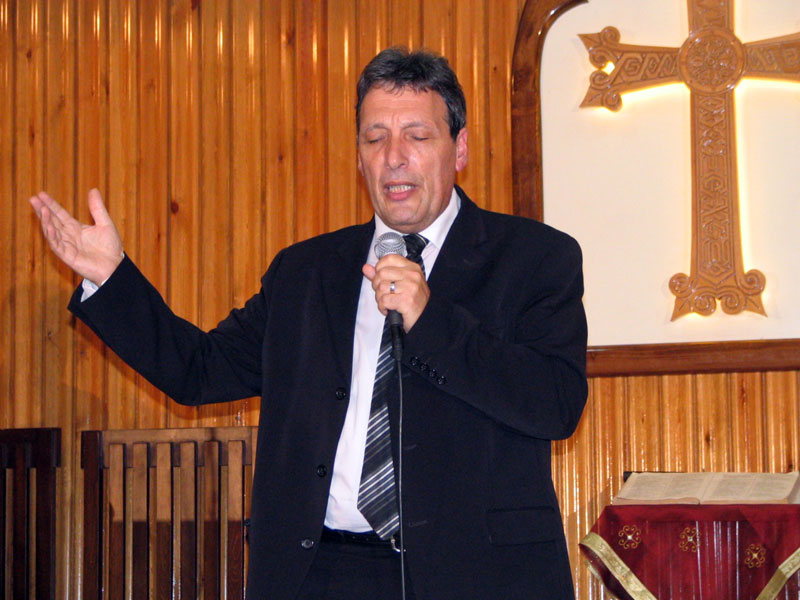
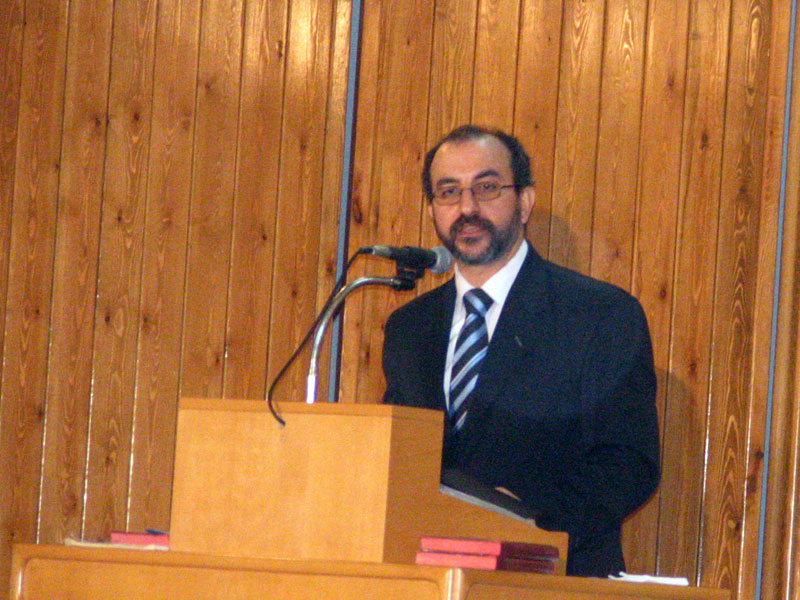
Rev. Hagop Tchoghandjian Preaching in the Armenian Evangelical Emmanuel Church
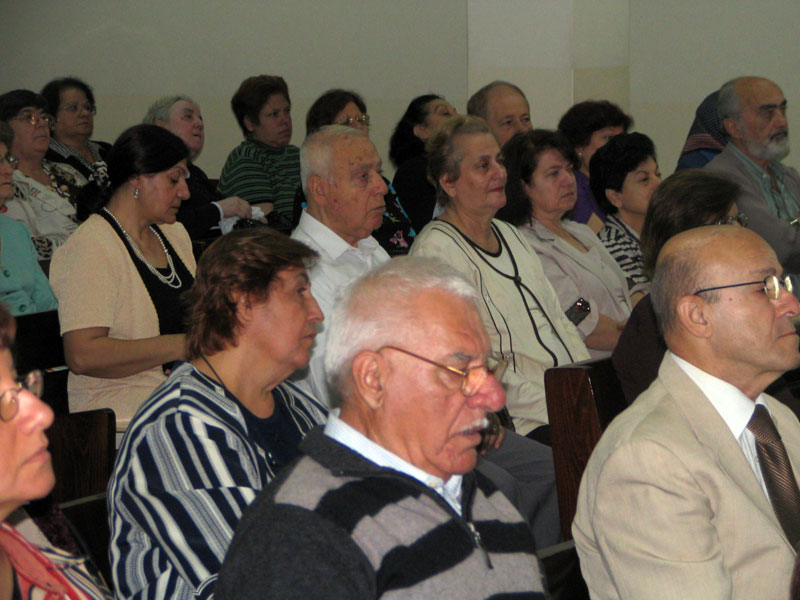
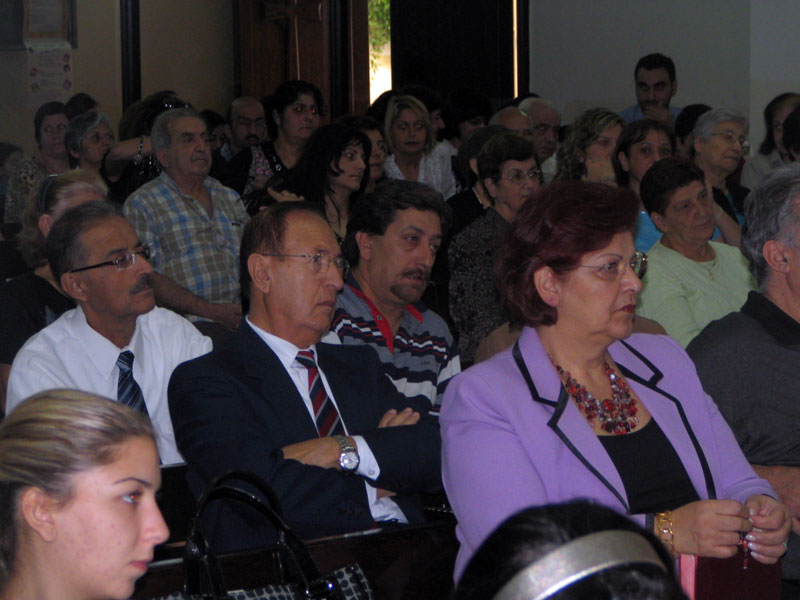
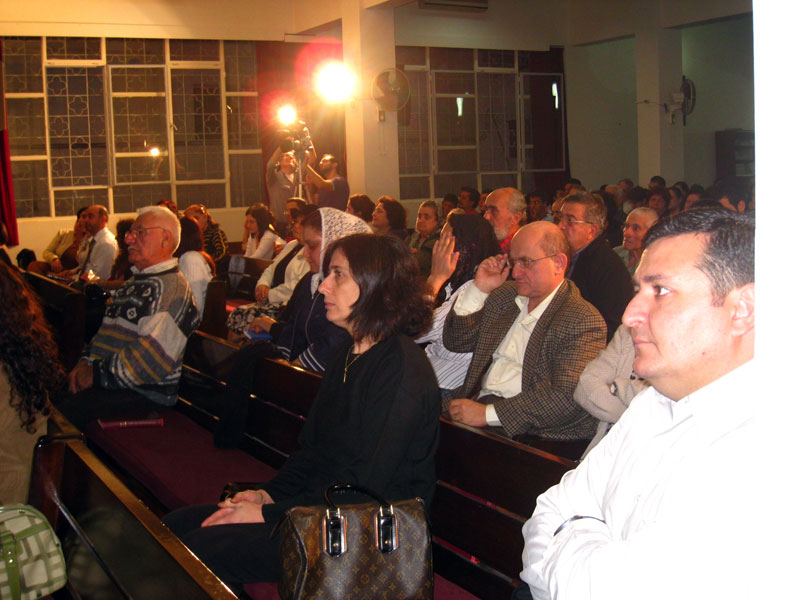
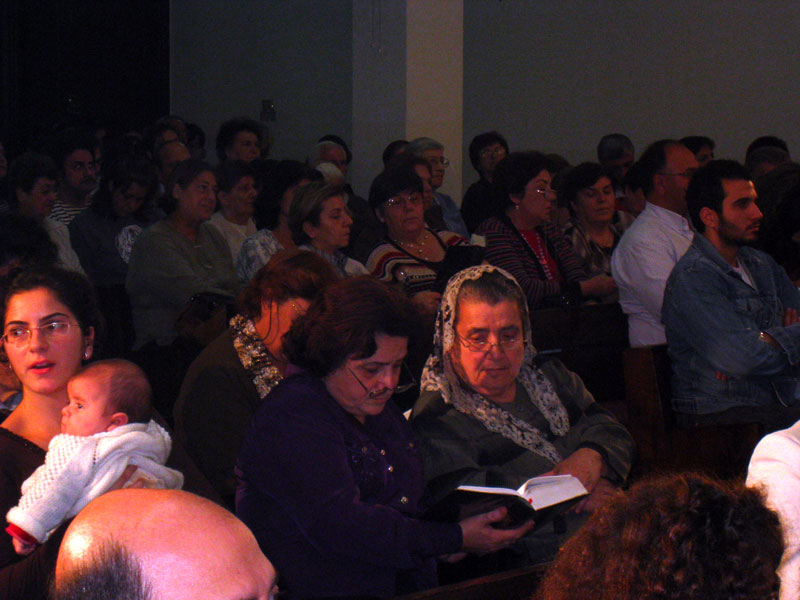
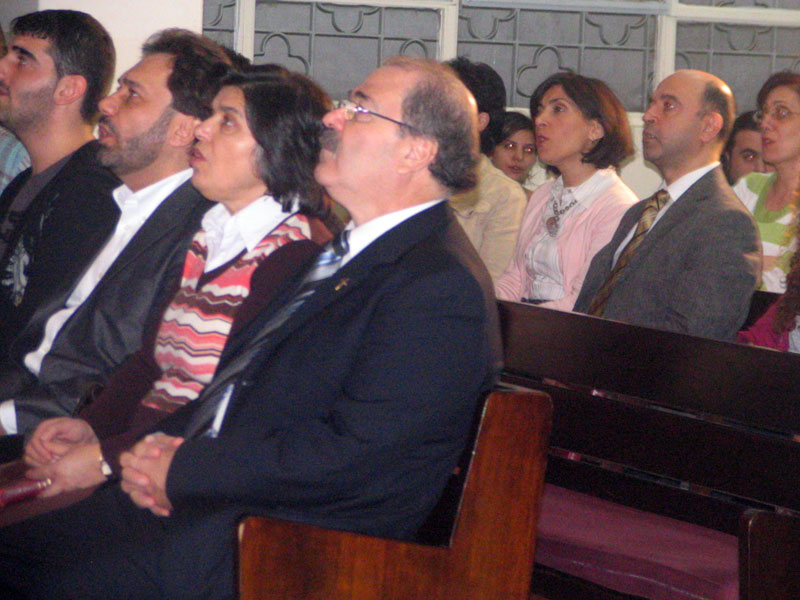
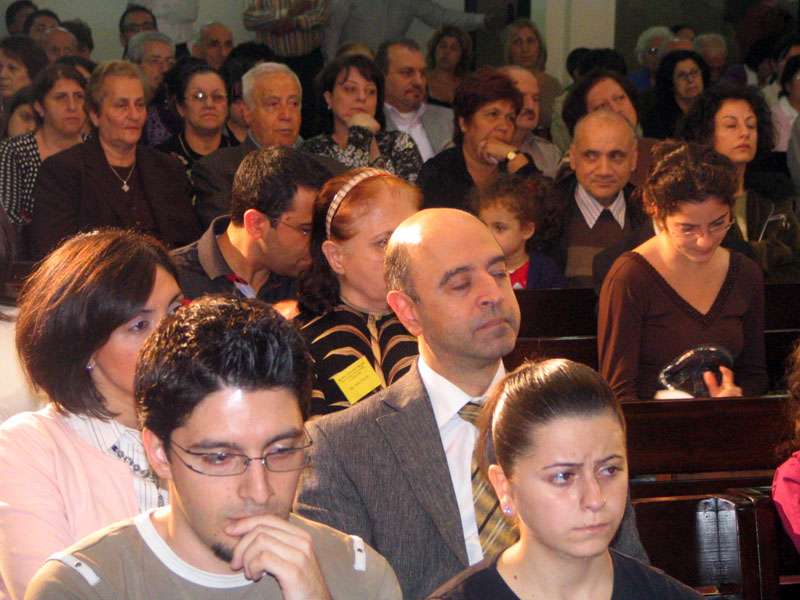
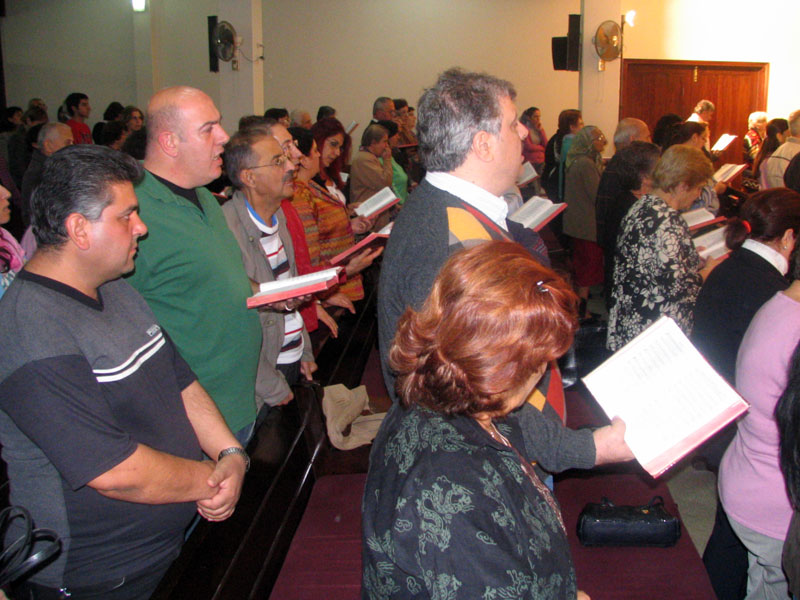
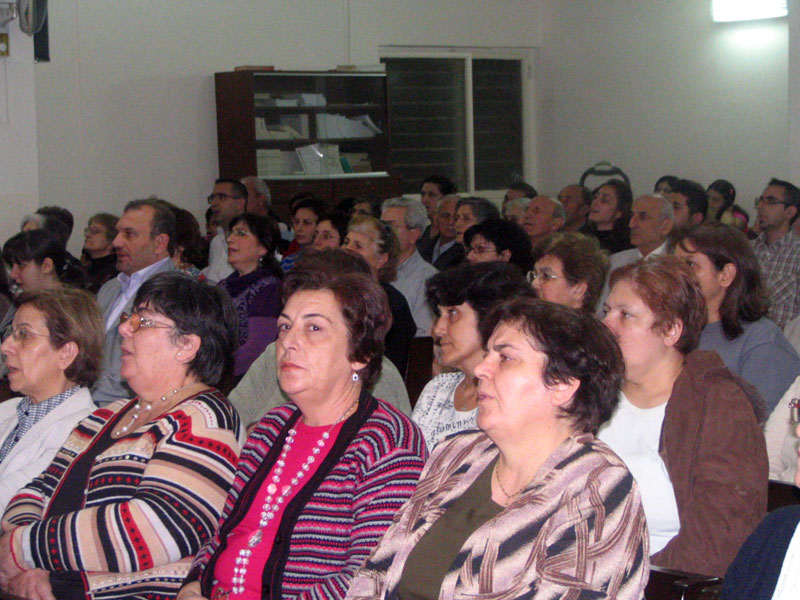
People Attending Rev. Hagop Tchoghandjian's Evangelistic Meetings
Rev. Dr Samuel Kobia reflects about his six-year term as the general secretary of the World Council of Churches
The Rev. Dr Samuel Kobia reflects about his six-year term as the general secretary of the World Council of Churches. He addresses good and not so good memories, encouraging experiences, progress and challenges of the ecumenical movement.
Excerpts from his interview:

Excerpts from his interview:
...Related to that is the decline in the ways of ecumenical formation. That is why [I was so happy] whenever I had a chance of encountering young people – which has happened on a number of occasions here in the ecumenical centre – who I think are very much open to ways of working together, who are more open than the older generation to overcome the doctrinal differences that they might have.
In twenty years from now I would be very happy – I don't know whether I will be there or not, but that doesn't matter! – one of the things that I hope we will be able to achieve even before 20 years is over is celebrating a common date of Easter.
...So this relational dimension is really what has helped and carried me. And I brought this as part of my being African, because we put very, very strong accent on relation. You are because you relate, and because you relate, therefore you are.
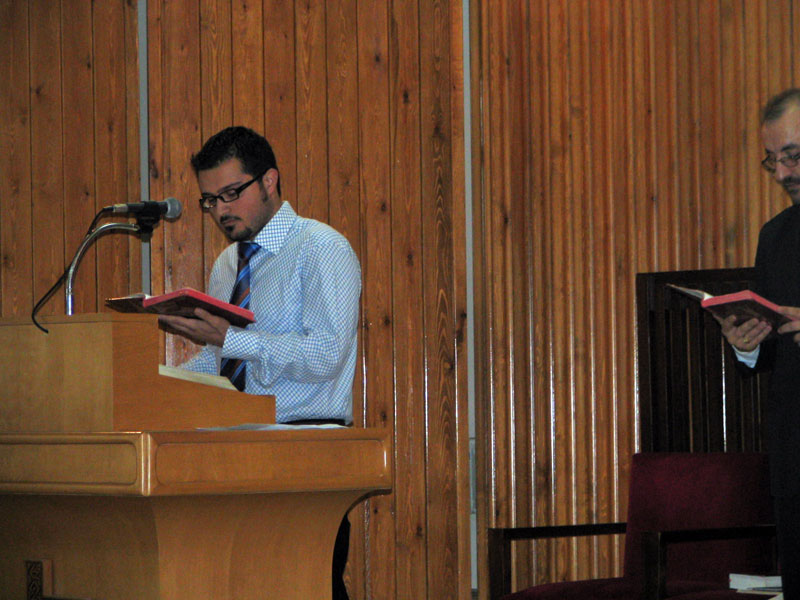
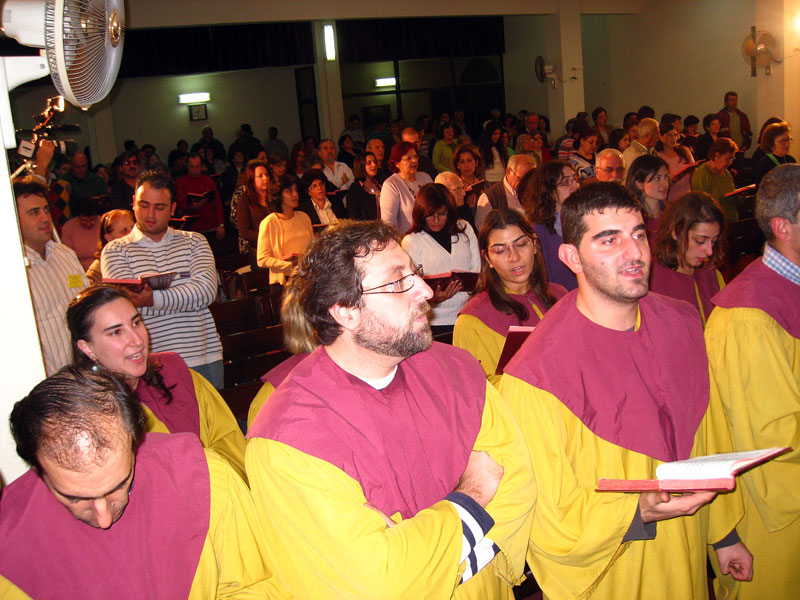
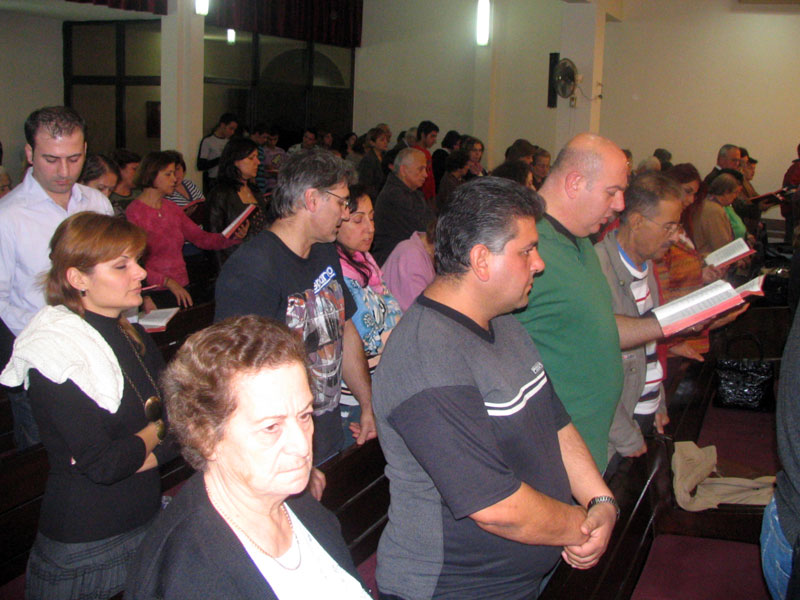
Rev. Tchoghandjian Leading the Evangelistic Meetings in the Armenian Evangelical Emmanuel Church


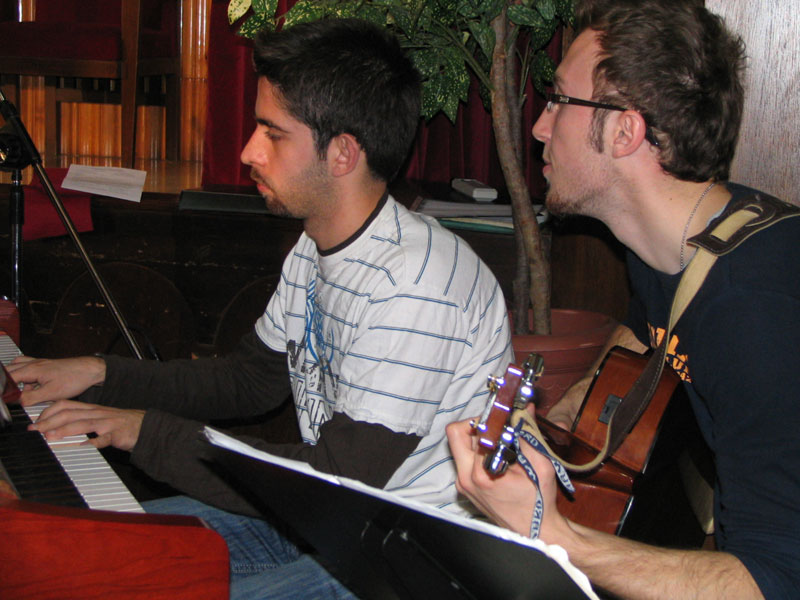
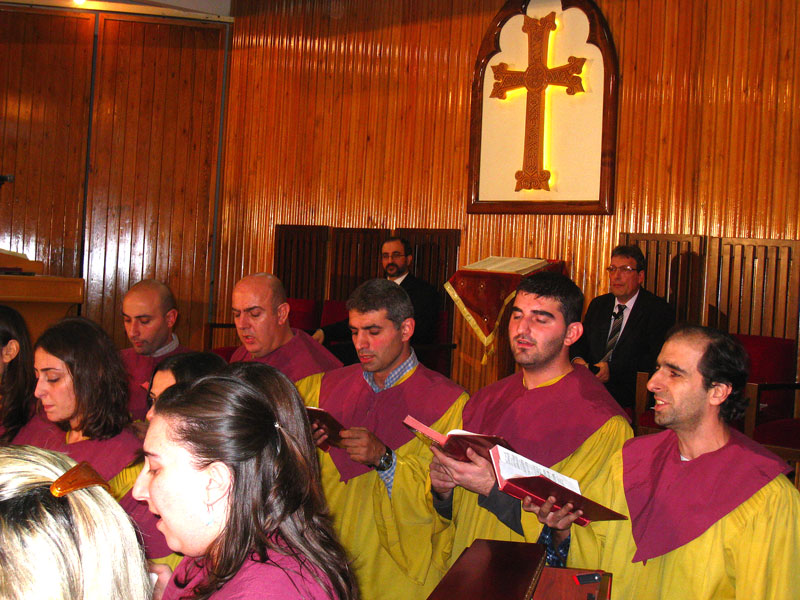
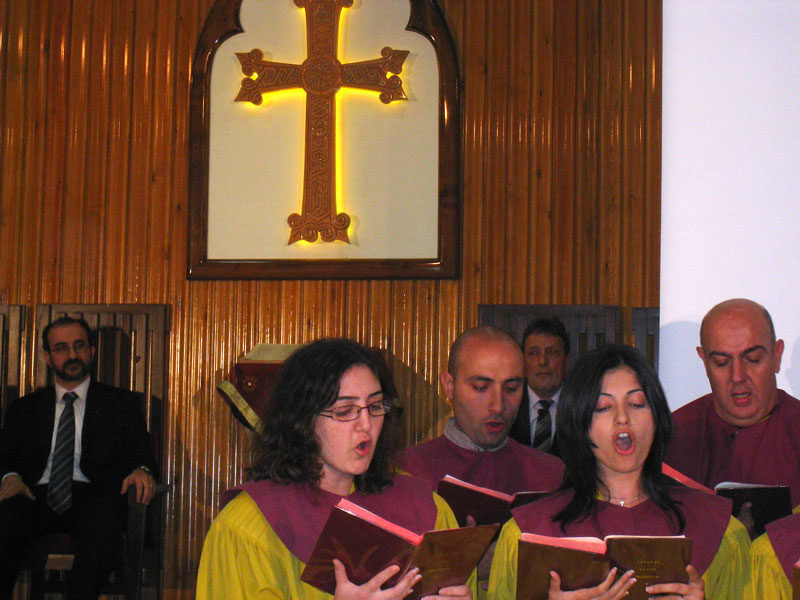
The quartet of the Armenian Evangelical Church of Marash (L to R): Ara Khederian, Raffi Akbasharian, Anto Messerlian, Vache Khederian


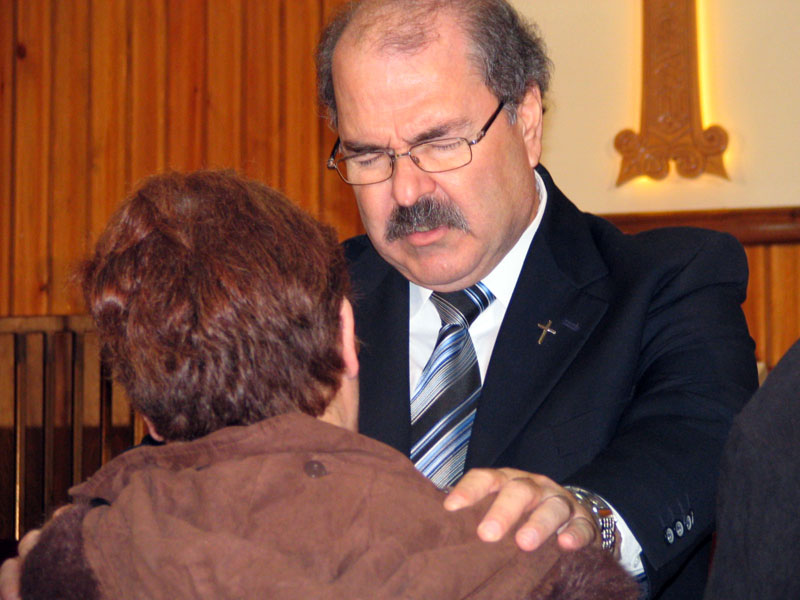
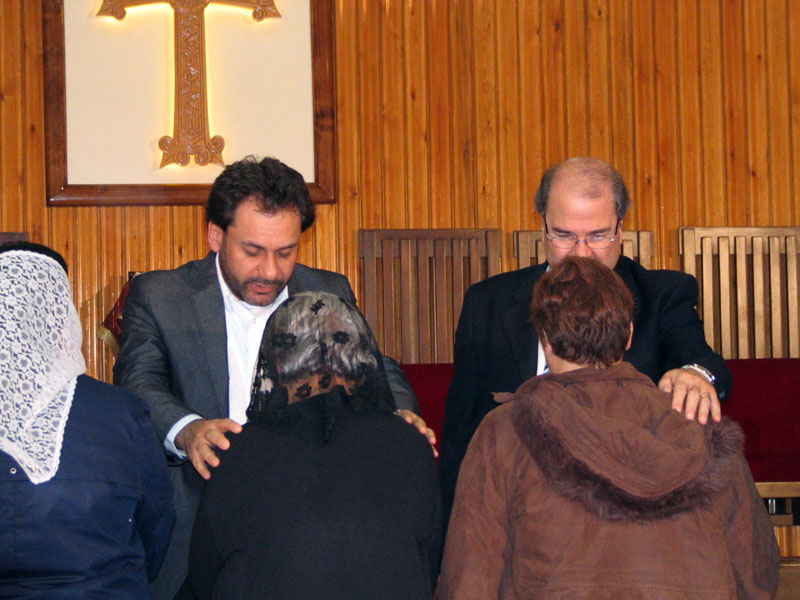
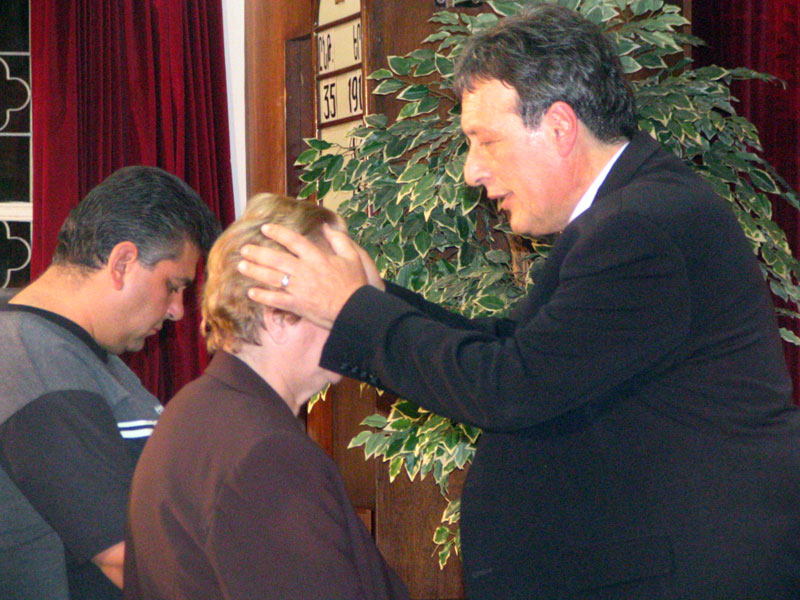
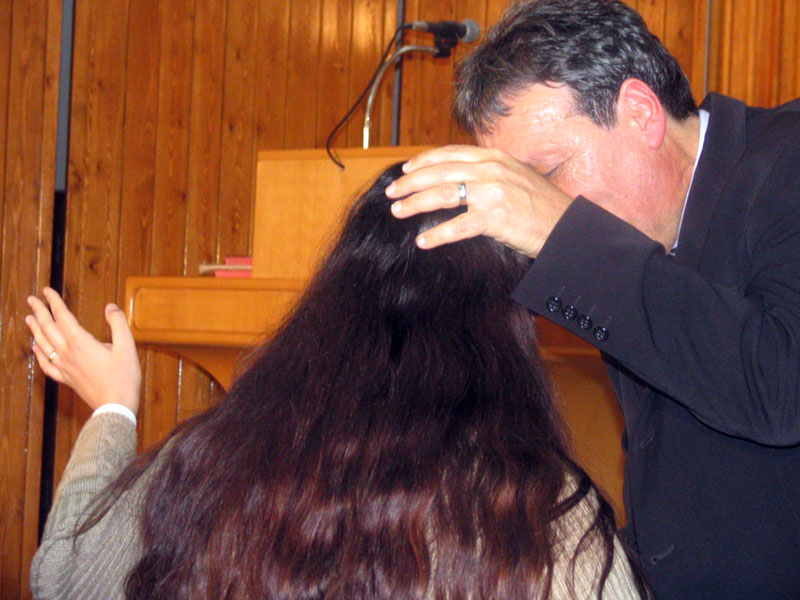
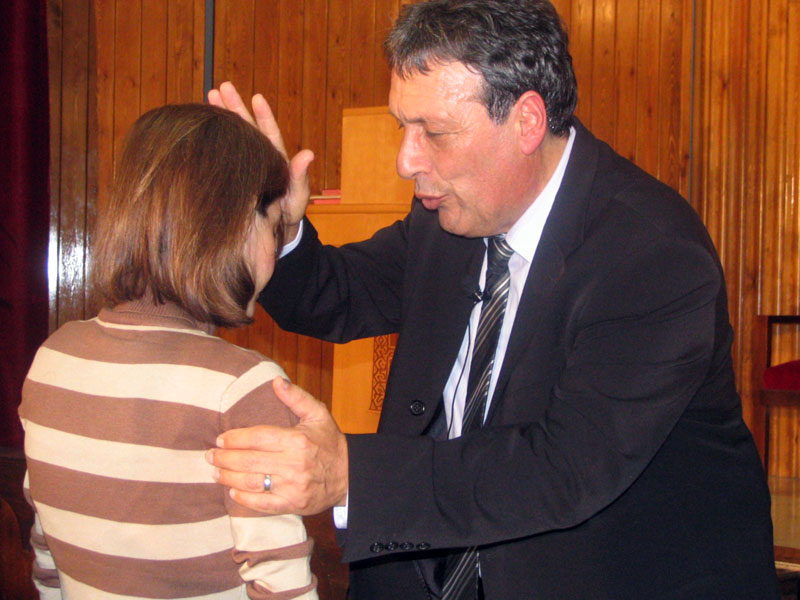
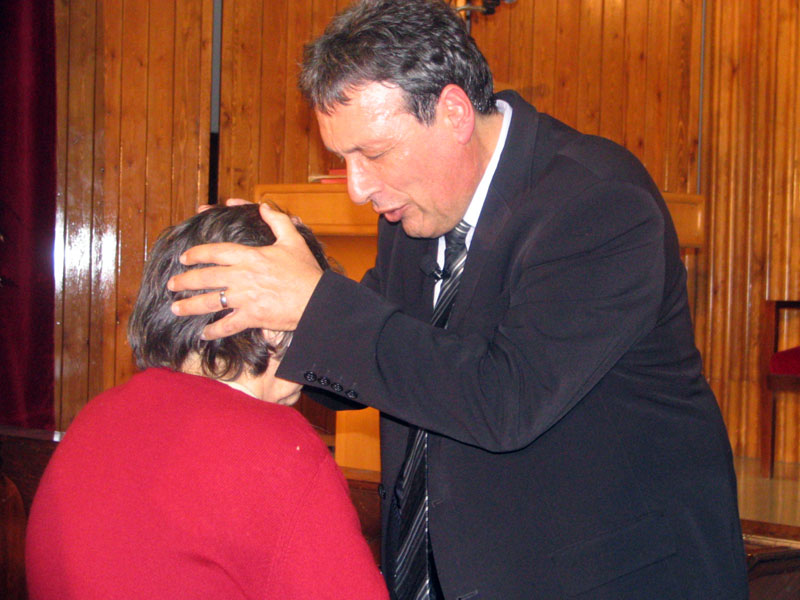
Calling the people to accept Christ and those who ask for specific prayers

Rev. Megerdich Karagoezian, President of the Union of the Armenian Evangelical Churches in the Near East

Rev. Haroutune Selimian, President of the Armenian Protestant Churches in Syria


Rev.Hovannes Svajian

(L to R): Ara Torkomian, Shant Aynilian, Koko Avessian

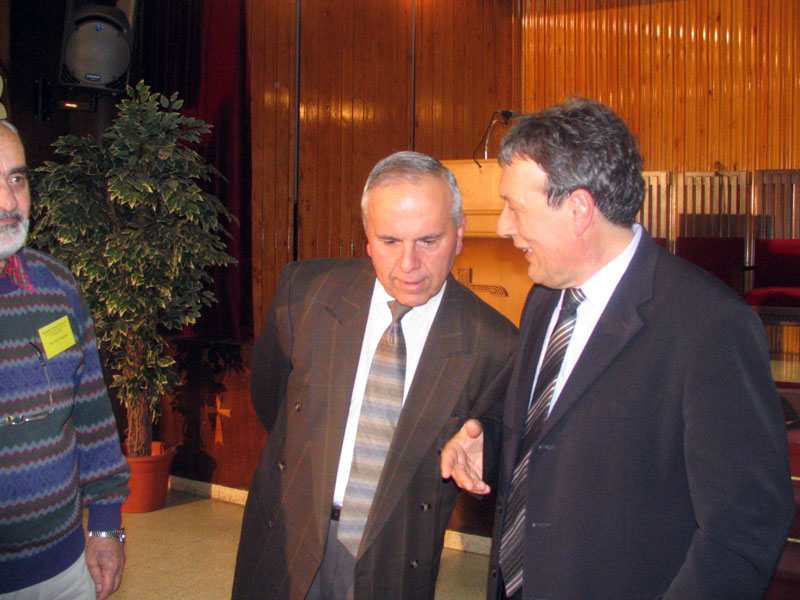
(L to R): Mr. Levon Bedigian, Rev. Soghomon Kilaghbian, Rev. Hagop Tchoghandjian

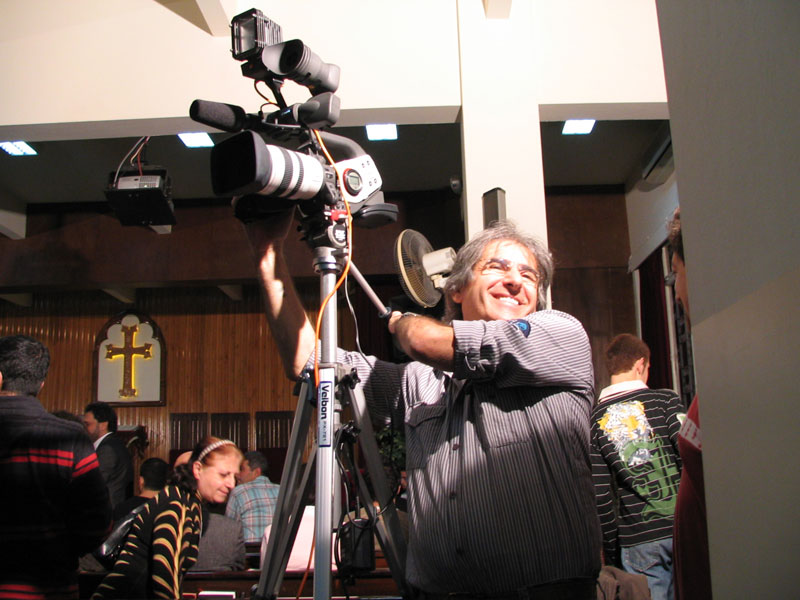
Garo Keloukian, the cameraman, who is a member in the Armenian Evangelical Church of Ashrafieh

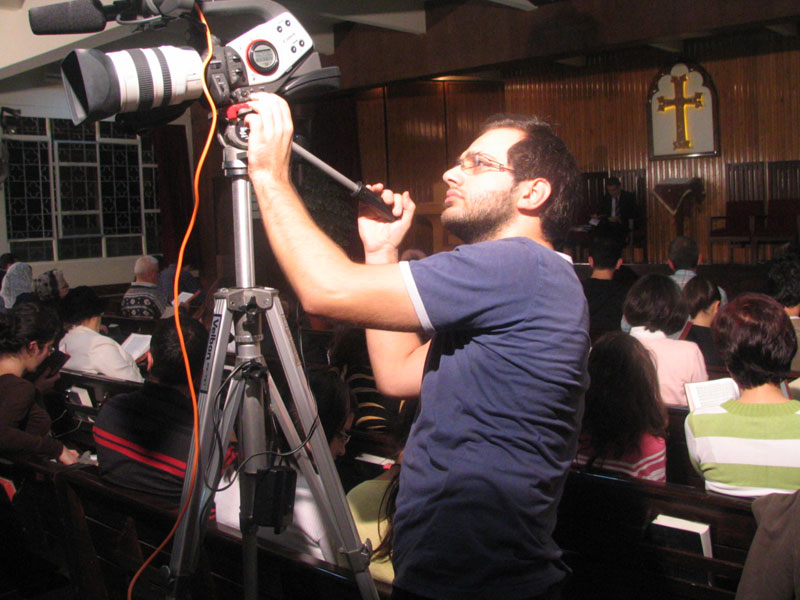
Hagop Gojigian, the assistant cameraman
Que laisseras – tu après ta mort ?
Pour certaines, la vie est courte, et pour d’autres, elle est longue. Mais nous savons que, sa soit longue ou courte, elle atteindra une même destination qui est la mort.
Qu’est – ce que tu vas laisser quand tes jours se termineront et tu mourras ? Qu’est – ce que tu vas laisser pour tes enfants, pour ton entourage, pour les personnes que sont chères pour toi ? Pour quels raisons les gens vont – ils te rappeler ?
Tu ne voudras pas que les gens te souviennent seulement pour tes actes de bienfaisances.
Nous voulons trop de choses, mais qu’est – ce que nous faisons pour les atteindre ? Qu’est – ce que nous faisons pour que notre générosité survivra notre mort?
Hagop B. Godjigian

Traduit par Dzovag Demirjian
Qu’est – ce que tu vas laisser quand tes jours se termineront et tu mourras ? Qu’est – ce que tu vas laisser pour tes enfants, pour ton entourage, pour les personnes que sont chères pour toi ? Pour quels raisons les gens vont – ils te rappeler ?
Tu ne voudras pas que les gens te souviennent seulement pour tes actes de bienfaisances.
Nous voulons trop de choses, mais qu’est – ce que nous faisons pour les atteindre ? Qu’est – ce que nous faisons pour que notre générosité survivra notre mort?
Hagop B. Godjigian

Traduit par Dzovag Demirjian