Christmas at NEST Theological School

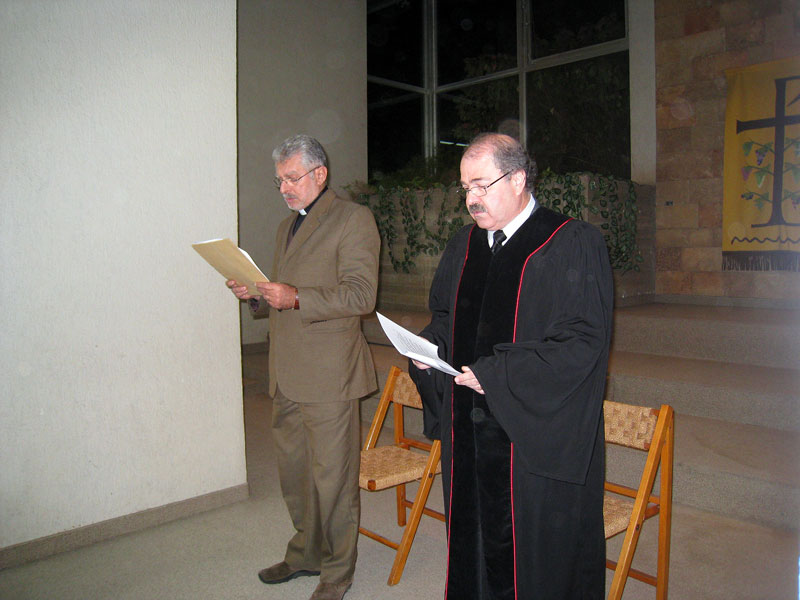
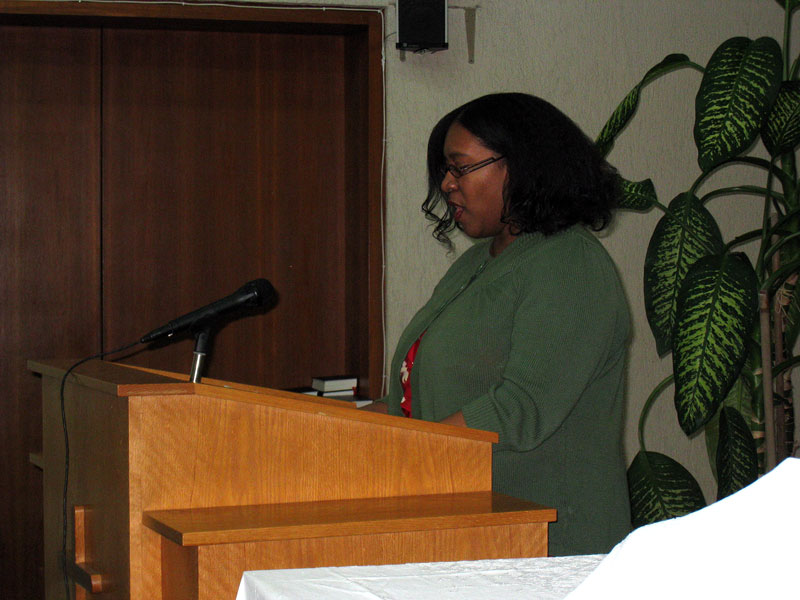
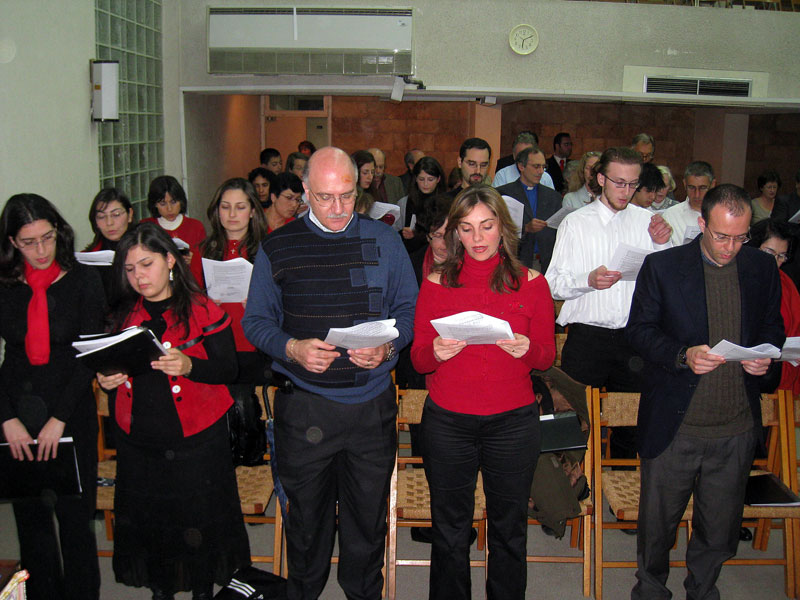
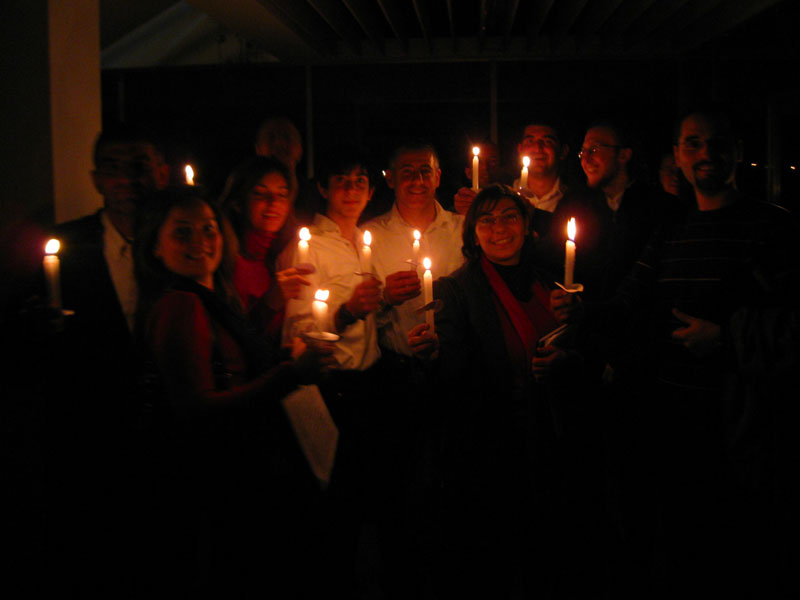
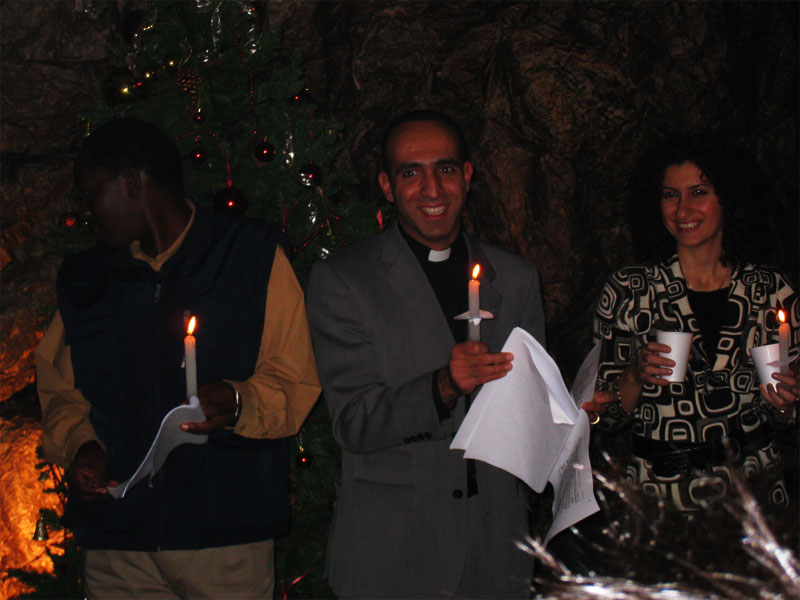
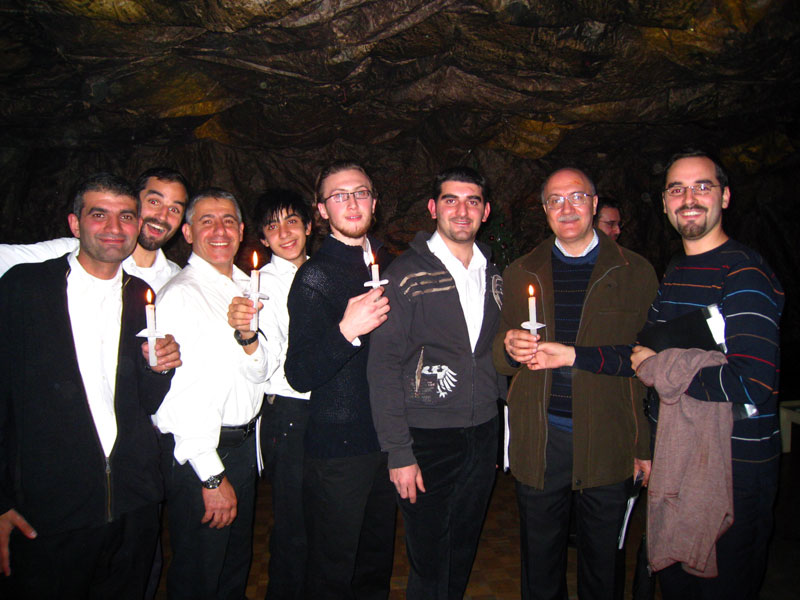
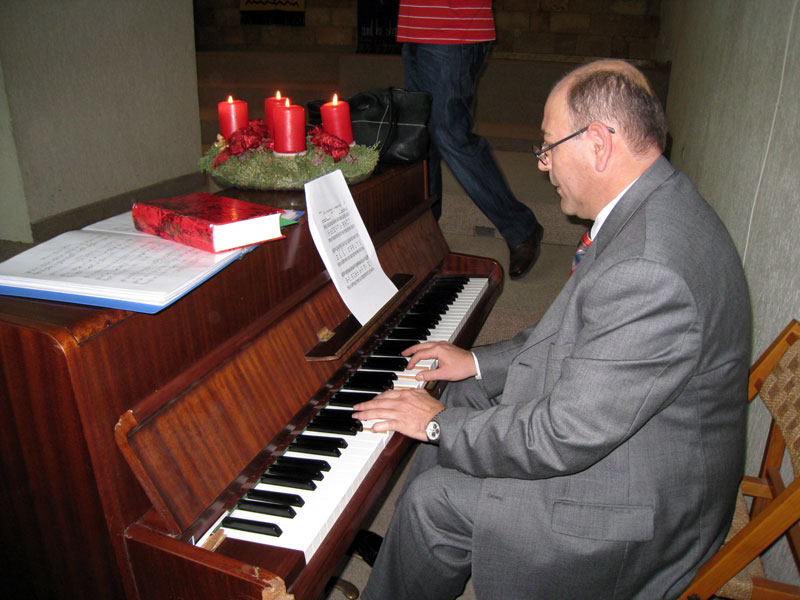
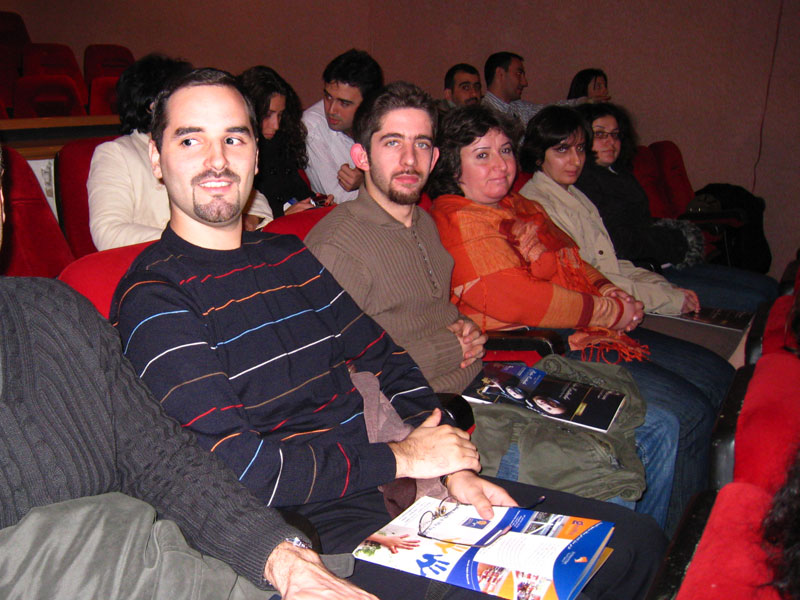
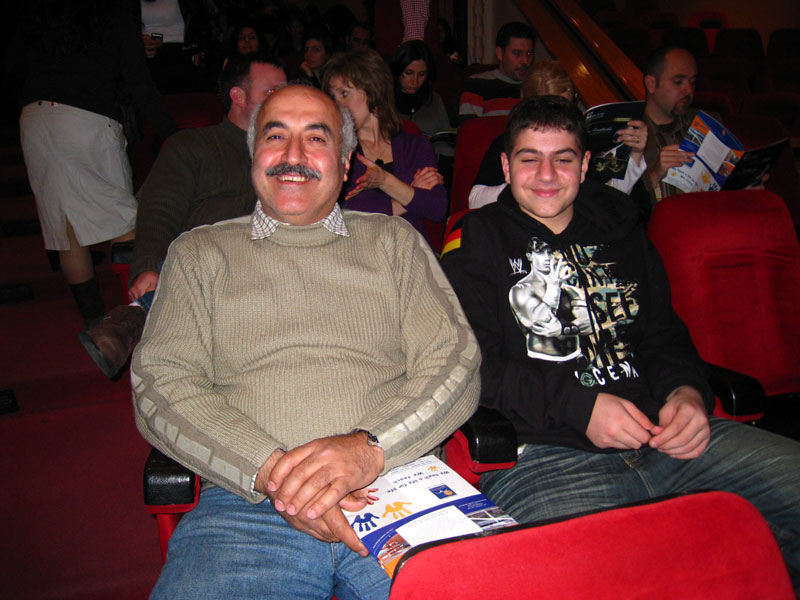
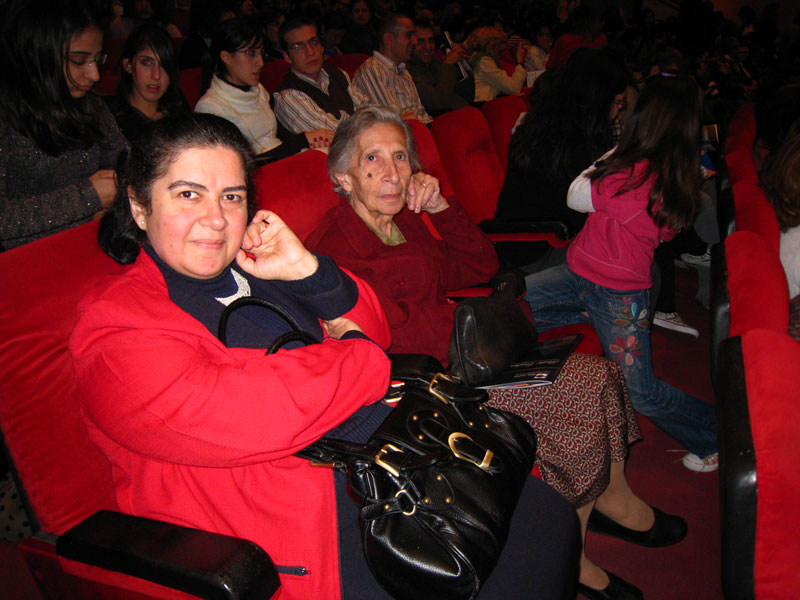
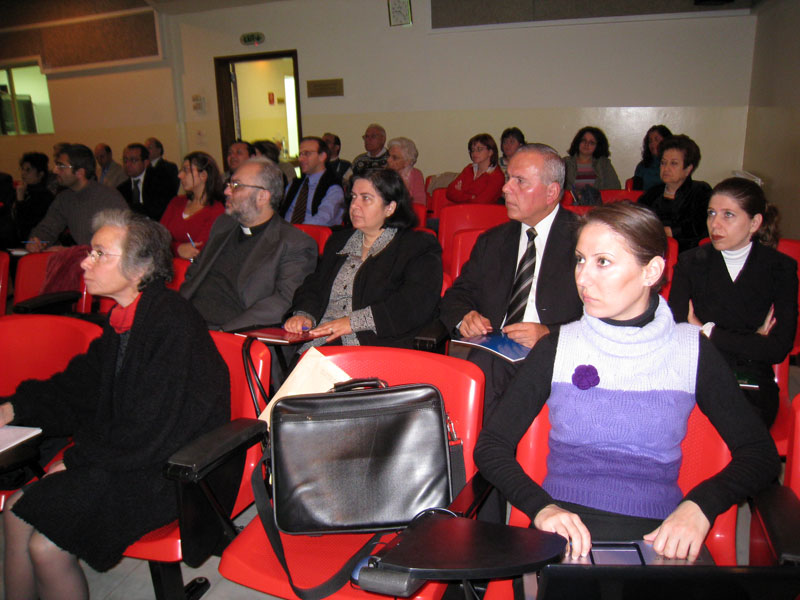
On Monday, 22 December, a small group from the Armiss choir participated in the Christmas gathering of the Near East School of Theology.
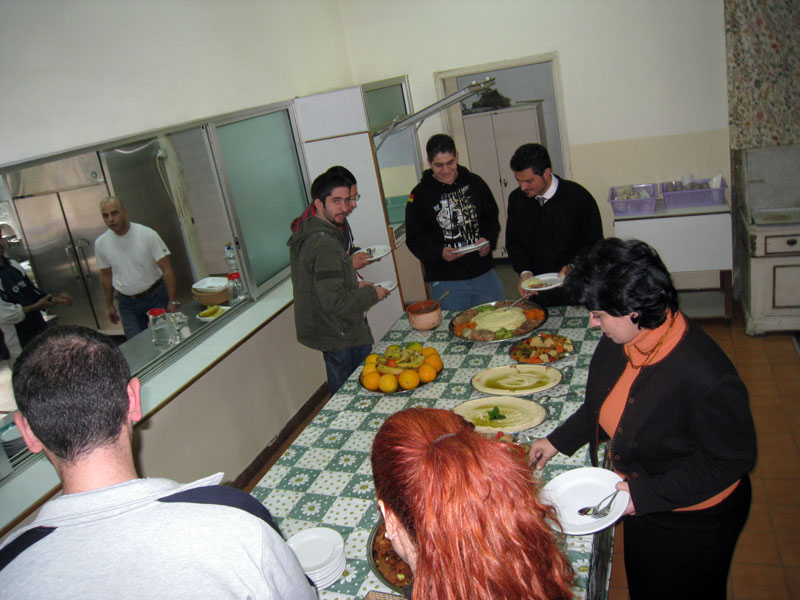
The choir presented two Christmas songs and later on they joined all for a Christmas sing-song in the Student Lounge, which was completely decorated as Jesus' birthplace. Afterwards, the principal of the school, Ms. Mary Michael invited everyone, as the big family of NEST, to a dinner.


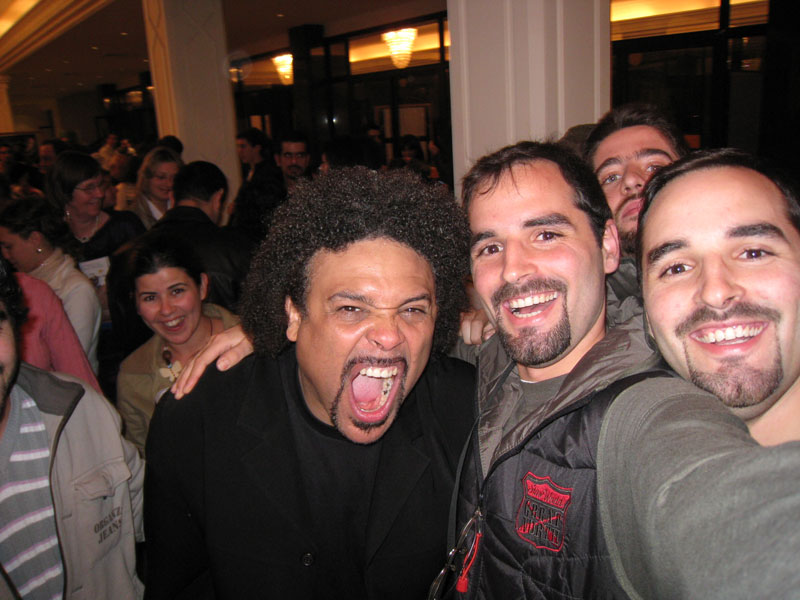
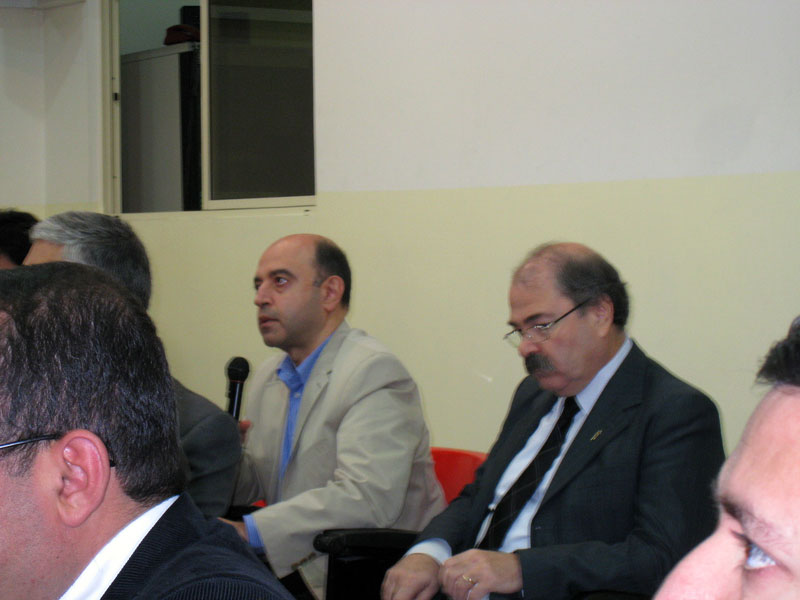
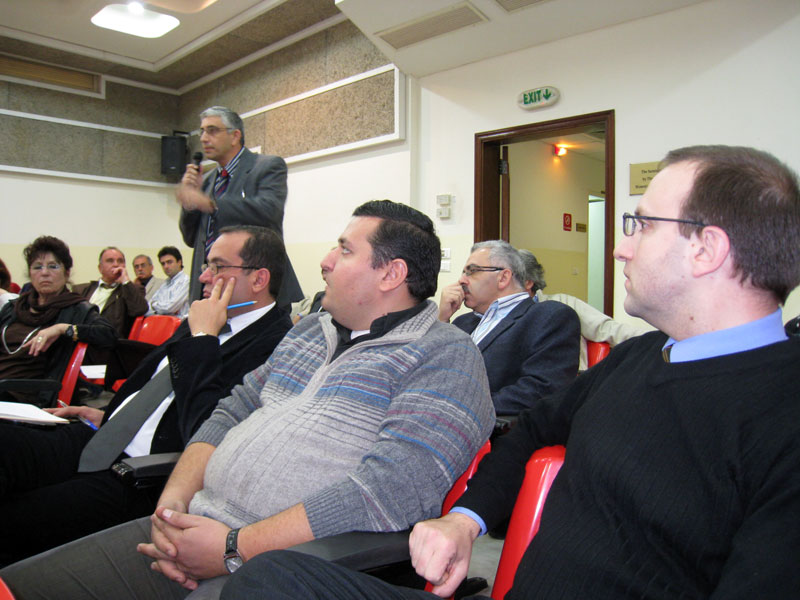
(left pic): Rev. Megerdich Karagoezian standing on the left


(left pic): Rev. Sahyouni in front


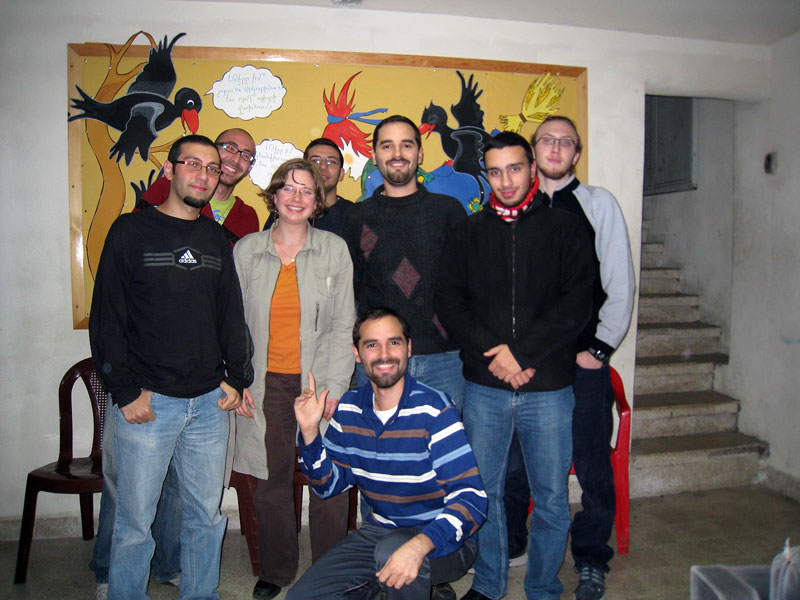
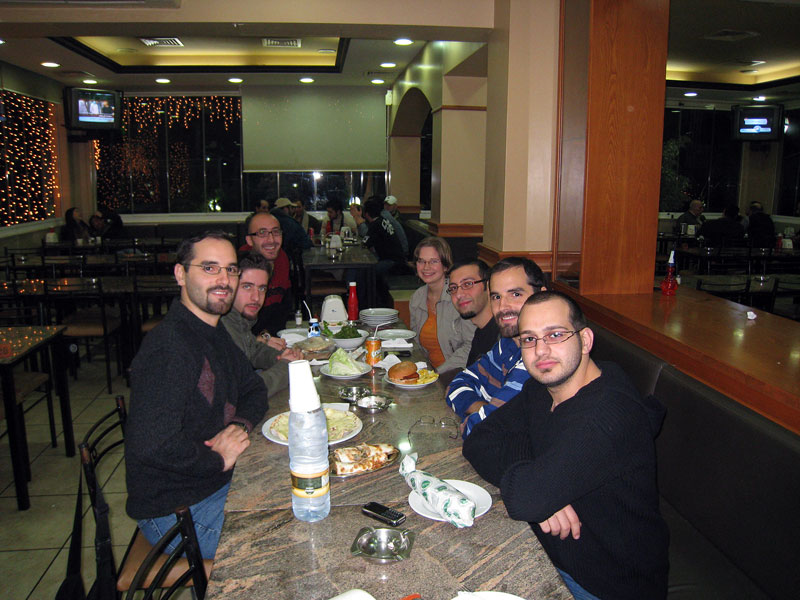
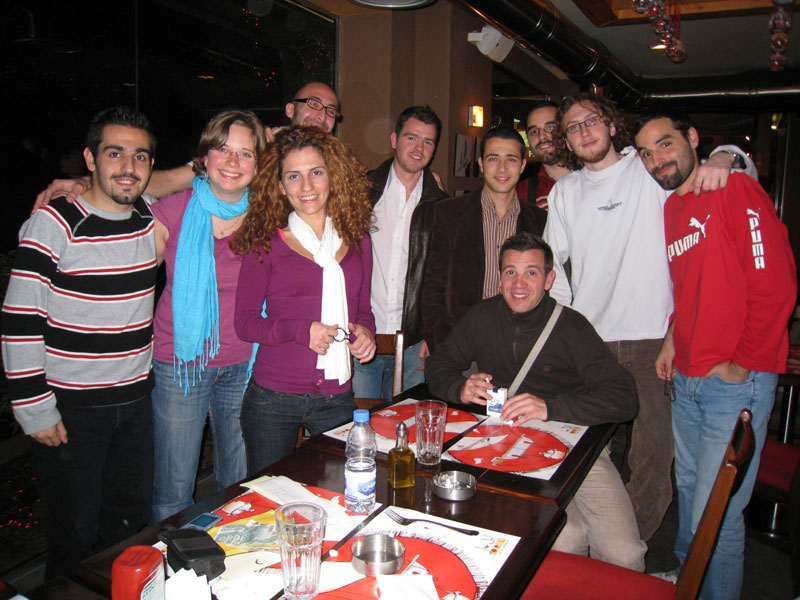
Ara Khederian, Rita Daderian, Taline Elmajian, Dr. Raffi Elmajian, Sero Kelougian, Hagop Kelougian, Luder Artinian, Silva Chilingirian, Raffi Akbasharian, Shant Aynilian, Raffi Chilingirian


Leadership Training at NEST Theological School

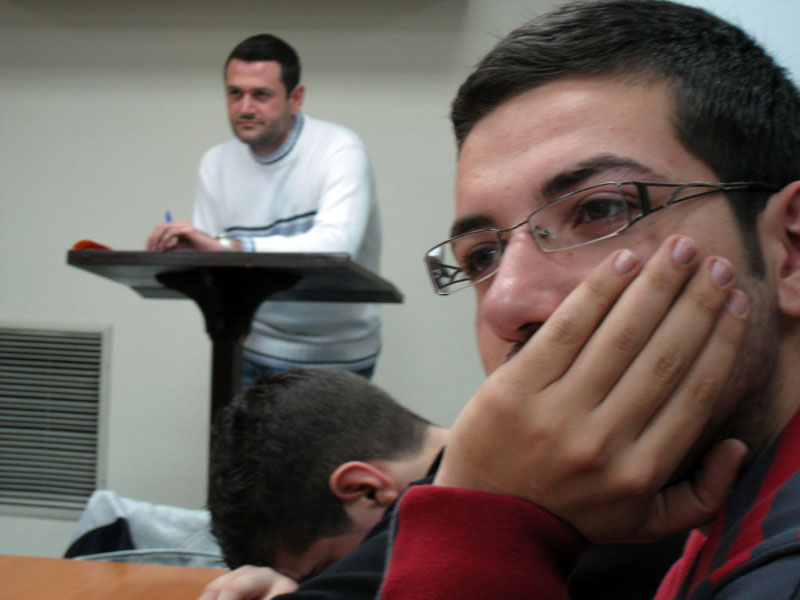
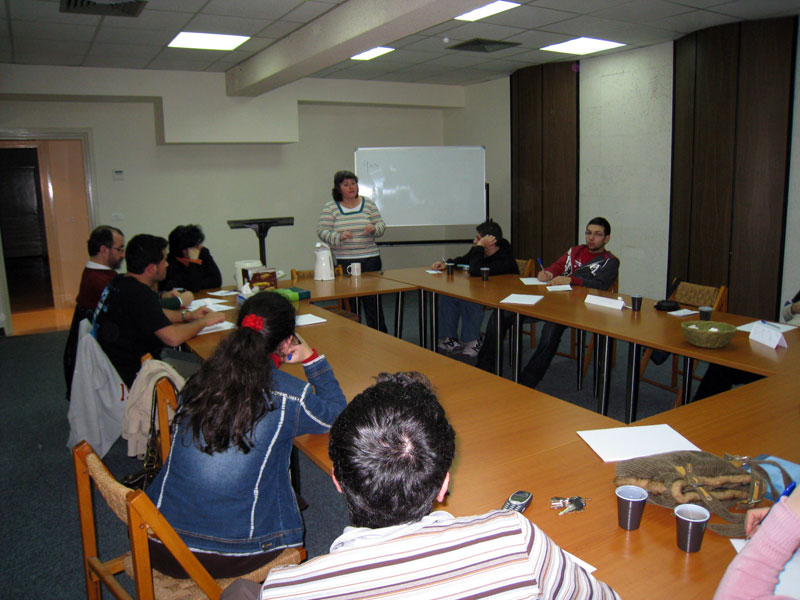
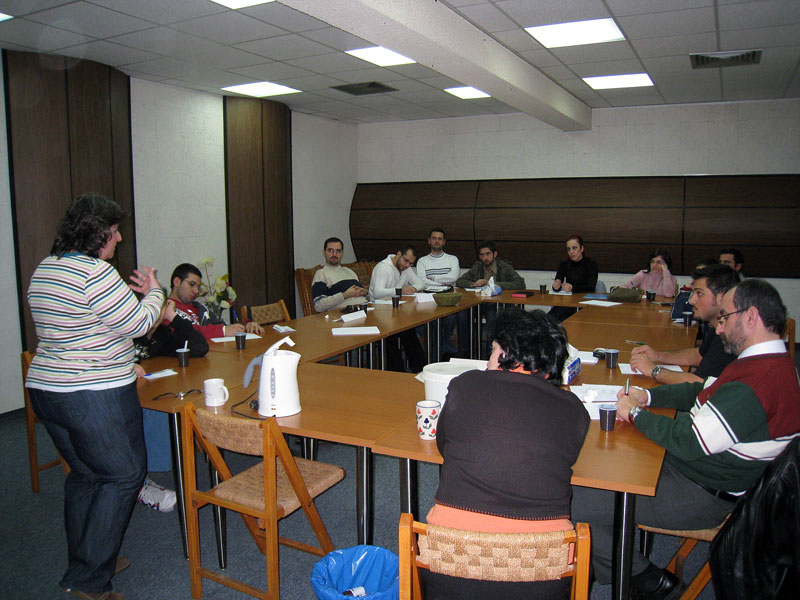
On Sunday, 14 December, from 11:30 am till 3:30 pm, a leadership seminar was held for all the leadership groups of the Armenian Evangelical Emmanuel Church, at NEST (Near East School of Theology).
Mr. Manoug Ibitian presented the 1st subject titled "Accepting Others", after which the participants had lunch together at NEST. Ms. Houry Barsoumian presented the 2nd subject titled "Responsibility". At the end of each session, discussions were held and participants asked several questions for further explanations that were answered by the speakers.


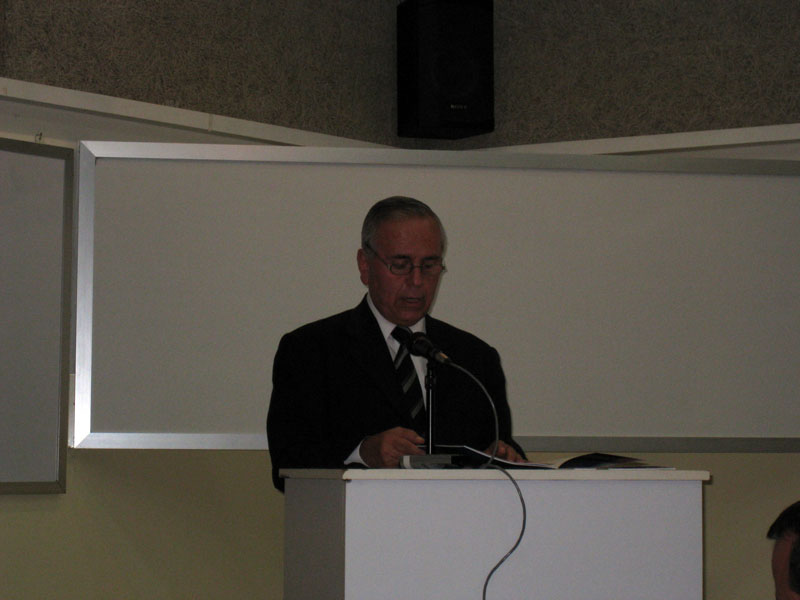
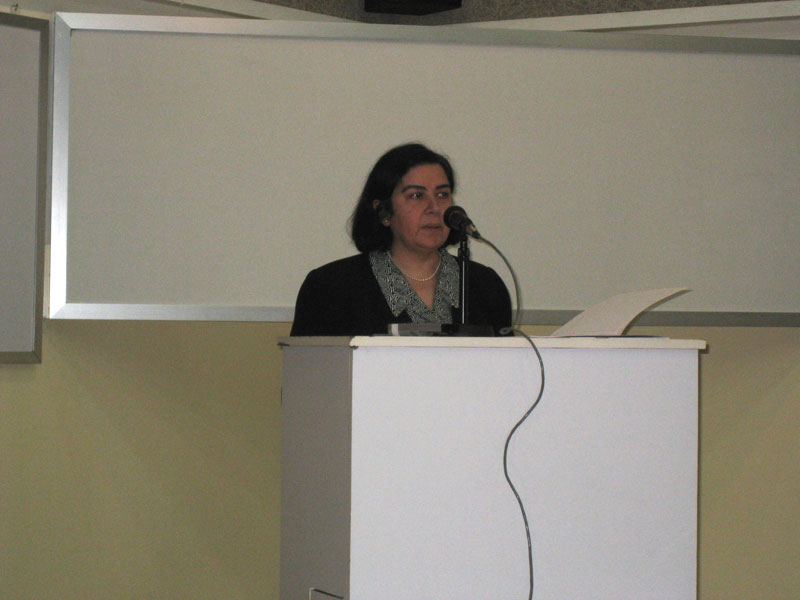
Ms. Houry Barsoumian and Mr. Manoug Ibitian


During the 1st session


Having lunch at NEST


During the 2nd session

A Visitor From France

During the month of December, Marion Heyl, who was one of the members in the exchange program between the Armenian Evangelical Chanitz in Lebanon and the Evangelical Church Youth in France, gave Emmanuel Chanitz a visit, during her stay here in Lebanon.


Left pic: Shahan Kilaghbian, Koko Aynilian, Marion Heyl, Hovsep Ainteblian, Mano Chilingirian, Raffi Chilingirian, Jano Baghboudarian, Shant Anynilian
Right pic: one of the 3 Bible Study groups that meet every Wednesday to study God's Word


Right pic: Hagop Akbasharian (at left), Peggy Cholakian (3rd from left), also in the picture: two French guys who were present in Lebanon.

The dream of a Turkish Armenian comes true

Serkis İmas simply wanted to leave something to the lands where he was born and he didn’t want to let his memories fade away when he sought to publish his memoirs, according to his biographer Bildirici. When Serkis İmas penned his memories in his ancestral homeland Anatolia, he probably didn’t mean to launch a discussion on the complexity of his community’s distinctive problems or sought a scientific solution to these problems.

And he probably had nothing to do with political debates over the 1915 incidents at the hands of the Ottoman Empires.

“I am a Turkish Armenian from Elazığ. I have been living in Germany for some reasons. But it is just in words; my heart always belongs to my homeland where I was born and lived … I just want the two communities who once lived together in peace to have good relations again,” Serkis İmas wrote in his recently published memoirs “Serkis Had Loved This Land,” by journalist Faruk Bildirici.

As Bildirici said, “He simply wanted to leave something from himself to the lands where he was born and he didn’t want to let his memories fade away along with himself.”

İmas was an Anatolian Armenian who was born in 1932 and lived in Turkey until 1961. He was 75 when he died last year in Germany where he was a German citizen for the last 10 years. His passion for his hometown Elazığ was so great as to call himself “the son of Murat,” a river which runs through Elazığ. His mother Susan, later converted to a Turkish name Suzan, was adopted by the military doctor Sami Bey to secure her survival during the 1915 expulsion.

Last message, notebooks

He lost 45 of his ancestors in what he and his family kindly used to call “displacement” during the tragic events of 1915, which resulted in the expulsion of many Armenians from Anatolia. He didn’t witness the tragedy of the expulsion himself but he was still the victim of that tragedy. He had much to say about this land anyway.

So, one day İmas decided to immortalize his memories and spend his last years in Germany recording all his accumulated joys and grief in Anatolia in 15 mini-notebooks. He then contacted Bildirici, known for his political biographies, by telephone in Germany and sent him the notebooks, which are the culmination of four years of work.

“He trusted me although I was a Turk and despite the fact that we didn’t know each other. That imposed a duty on me. I wrote his legacy and published the book,” Bildirici told the Hurriyet Daily News & Economic Review. “He was so pure, sincere and reconciled in what he said. They are the human stories in the end that take place in this land, which I believe will create a ground for us to look at the Armenian issue far from prejudices.”

They never met. Bildirici solely witnessed the last years of İmas through their telephone conservations and became a real friend and confidant for him. He promised to publish his story but it was bitter to receive an e-mail from Germany about İmas’ death. But he would fulfill his promise.

Bildirici had to fill the gaps about his life. He received support from İmas’ children after his death to complete his story. He filled the gaps and rearranged sentences, as İmas didn’t use any punctuation or follow a chronological order. İmas wrote what he remembered from his past and what his relatives said.

Broken lives

“My aunt was buried in Yerevan, my uncle in America and my uncle’s son in Paris. Should our lives have ended up this way? Why? I really don’t understand why this has happened to us,” İmas asked in his memoirs.

It was the same land that granted him the rare pleasures of life but showed him its dark face as well. His love for this land and common sense are still generous even as he was retelling the moments of a gendarme raid during the expulsion.

“My mother Susan, who was just seven at that time, her three-year-old brother and my grandmother, 70, who took care of them, were all at home when the gendarme came to our home in Elazığ. The gendarme took all Armenian women and children in the village with them. The poor people couldn’t even show a sign of resistance to these men with guns,” he wrote.

“When my old grandmother was exhausted while walking, a gendarme hit her with his riffle and plunged it into her stomach, ignoring her begging and the cries of two little children.”

İmas listened to this bitter story from his mother so many times. Likewise, he himself faced discrimination for his nationality. Traffic police, for instance, who first found İmas in the right after a traffic accident, then prepared an adverse report against him once they learned he was an Armenian. The father of his first love in Istanbul said “If I had daughters as many as the chickens in my poultry, still none of them would fall for Serkis!”

Facing the history

He thankfully commemorated those Turks who friendly approached him in Istanbul where he became Kadıköy’s most reputed turner and made a mini-fortune. Despite challenges, he married his first love in Istanbul. He then divorced and found himself on a train to Germany in the 1960s. He remarried and engaged in another trade there. But he didn’t break his ties with Turkey. He bade farewell to his home country with a huge yellow envelope that contained 12 mini notebooks, a historical account of his life, the Armenians and Anatolia.

“If there were some mistakes in this country in the past, it is wrong to defend them as if they are right. Wouldn’t it be more appropriate to accept the wrongs and not to let them be repeated? Each individual born to this land is valuable, the words of whom deserved an objective eye. Believe me, I love this soil and these people more than you,” he concluded.

His story, which began in a small village in Elazığ, unfortunately ended in Germany, sharing the same fate with that of his relatives. The worst part is that he never saw his dream come true; he never read the book.

But for Bildirici, his story had implications about how such controversial issues were handled at the public level and in politics, which usually produced deadlocks in such cases. The Armenian issue was one of the inevitable results of the shift from the Ottoman Empire to the nation-state. That tragedy took place during the Ottoman period and the Turkish Republic couldn’t be responsible for a mistake inherited from its ancestors, according to Bildirici.

“Great men make politics and people live it. But such lives and messages are lost amidst big statements. His story makes us look at things with love and peace,” he said, adding, “We spoke the same language with İmas. We thought there could be some unwanted tragic events in the past but we should learn to face the history peacefully.”

Source: arama.hurriyet.com.tr/arsivnews.aspx?id=10310028

Armenian Evangelical Church, Syria

Watch on Youtube (we found this video online, a video created by fearunclesam from Syria): http://www.youtube.com/watch?v=c1fXF5EmUms


Rev. Harout Selim (pastor of Armenian Evangelical Petel Church) and Rev. Serop Mgrdichian (pastor of Armenian Evangelical Emmanuel Church)


Rev. Mgrdich Melkonian (now pastor of First Armenian Presbyterian Church)


Rev. Vache Ekmekjian (now pastor of the Armenian Evangelical Nahadagatz Church)


Salpy Badakian seen in the middle


Rev. Nerses Balabanian on the synthesizer (now pastor of the Calvary Armenian Congregational Church)


Pastors, pastors' wives and elders


Rev. Avedis Boynerian in the middle (now pastor of the Armenian Memorial Church)


Rev. Dr. Paul Haidostian at the right (now president of Haigazian University)


We have mentioned some names, can you mention others?

A Proactive Leader, or a Reactive one?

I think that the youth leader has to be a Proactive leader, not a reactive one.

Proactive means taking the initiative and the responsibility together, especially in the Kingdom of GOD and in the
Azkayin life. If you have a God given zeal and enthusiasm to accomplish a mission, a purpose or a value, then you will do. Of course, it is very important the encouragement and appreciation and the guidance of the "grown-up" leaders. The ideal thing for me is that BOTH is needed for a good, sound and effective ministry or mission. Where the youth have been given that freedom to be proactive and to "Begin with end in mind" and the grown up leaders be encouraging in paving the way for the purpose of "edification of the church" and for the purpose of Azkayin work.

Furthermore, What worked Yesterday won't work today.
- Yesterday hierarchy was the model. Today synergy is the mandate
- Yesterday leaders commended and controlled. Today leaders empower and coach.
- Yesterday managers directed. Today managers delegate.

- Yesterday supervisors flourished. Today supervisors vanish.

- Yesterday employees took orders. Today teams make decisions.

- Yesterday seniority signified status. Today creativity drives process.

- Yesterday value was extra. Today value is everything.


Serop Ohanian,
Emmanuel Chanitz and CE Executive Committee member

Pedro Eustache Live at Bible Society's Concert

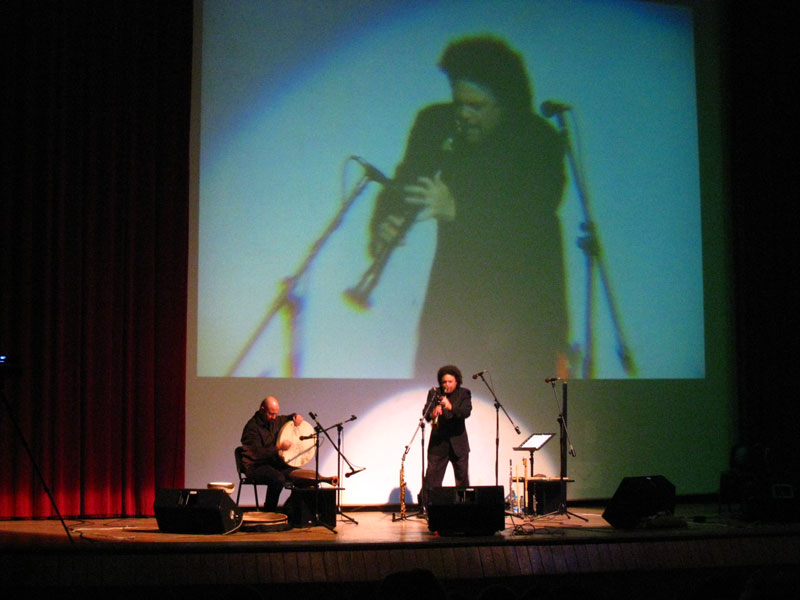
On Saturday, 13 December, at 8:00pm, the Armenian Evangelical Church elders and youth were present at UNESCO Palace Beirut to see Pedro Eustach perform live and listen to the many kinds of instruments that he had specially brought with him for Bible Society's annual concert.
Pedro Eustache (Woodwind soloist of “The Passion of the Christ”: featured flute, saxophone and woodwind soloist with Yanni) not only took us to the many different countries with his instruments (specially with his duduk), but he also took us through his faith journey with God, and his passion to worship God and praise Him in his very difficult circumstances and joy.
He was very dynamic on stage and a man full of energy and passion.
We will always remember this event, thanks to Bible Society.


Right pic: Ms. Ani Baboghlanian (on the left).


Left pic: Mr. Manoug Ibitian (half showing), Mr. Raffi Chilingirian, Mr. Ara Torkomian, Ms. Houry Barsoumian, Ms. Noushig Barsoumian, Ms. Liza Barsoumian
Right pic: Mrs. Vera Svajian, Areni Svajian, Rev. Hovannes Svajian


Left pic: Ms. Shake Geocherian, Ms. Jimmy Kozman-Ohanian, Mr. Serop Ohanian
Right pic: Mr. Sam Svajian, Mr. Sevag Svajian


Left pic: Mrs. Yester Kilaghbian
Right pic: Talar Haidostian, Ms. Palig Kilaghbian, Ms. Haidostian, Mr. Shahan Kilaghbian, Mr. Shant Aynilian


Social Action Committee Holds a Conference

On Saturday, 6 December, the Armenian Evangelical Social Action Committee organized a conference meeting in Haigazian University.
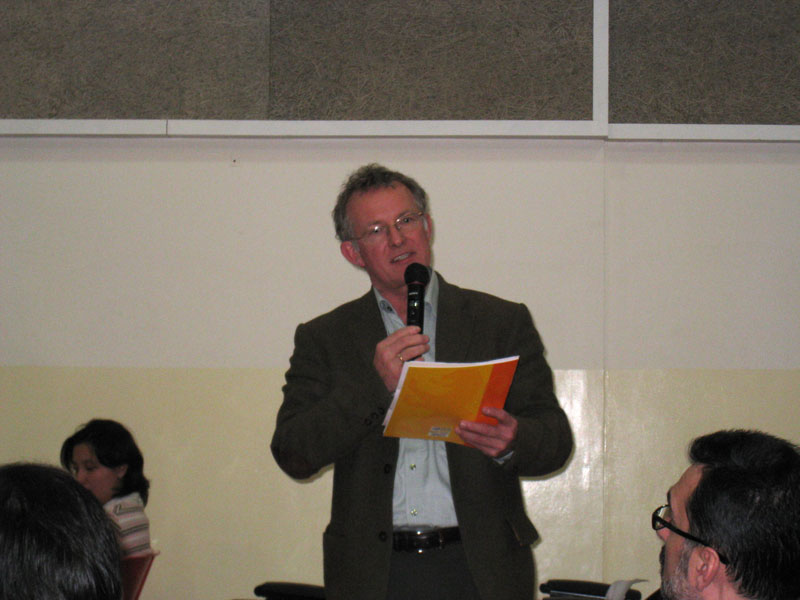
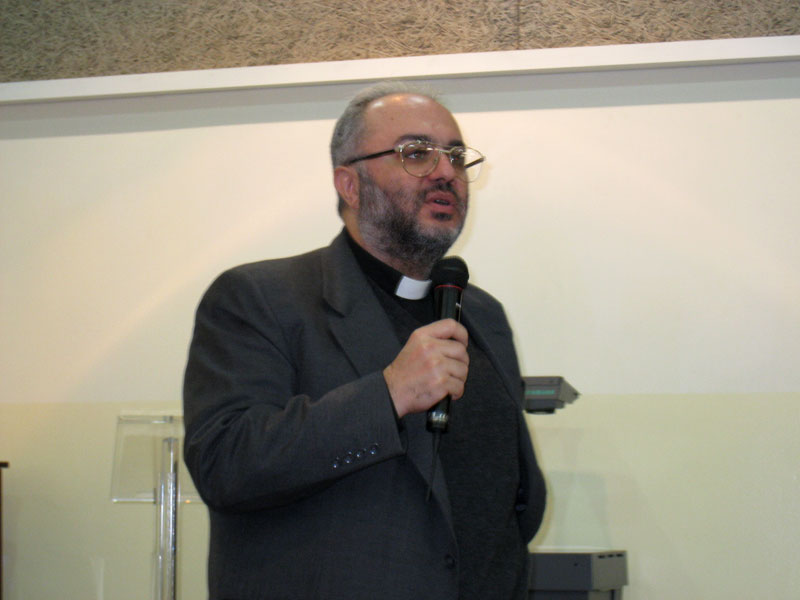
Rev. Sebouh Terzian welcomed the presence of everyone and stated the importance of the conference.
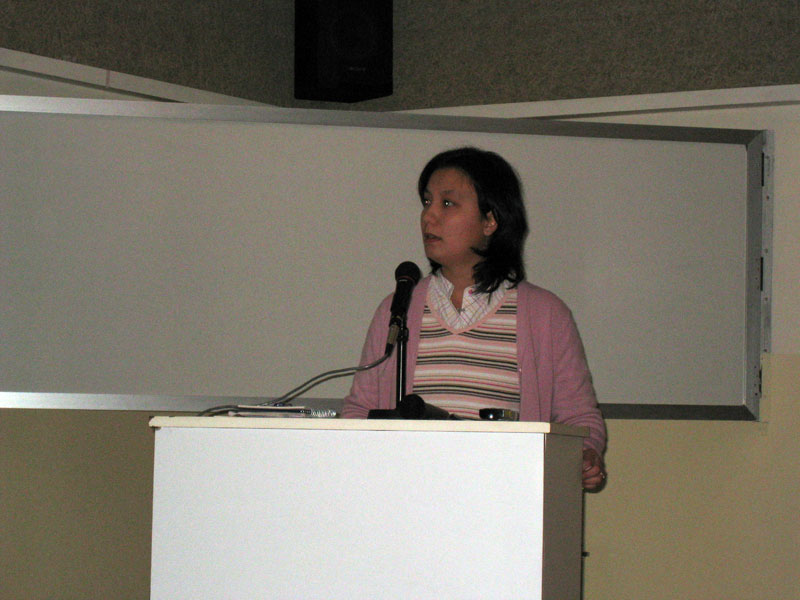
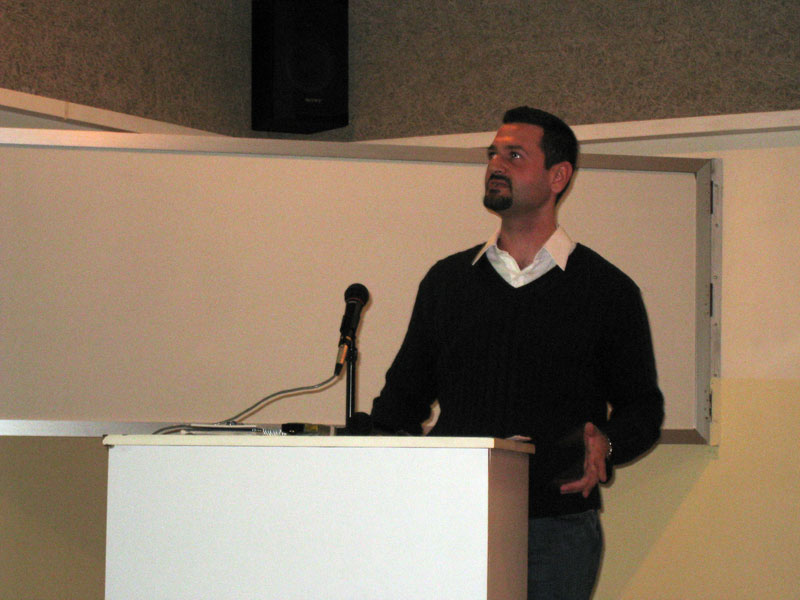
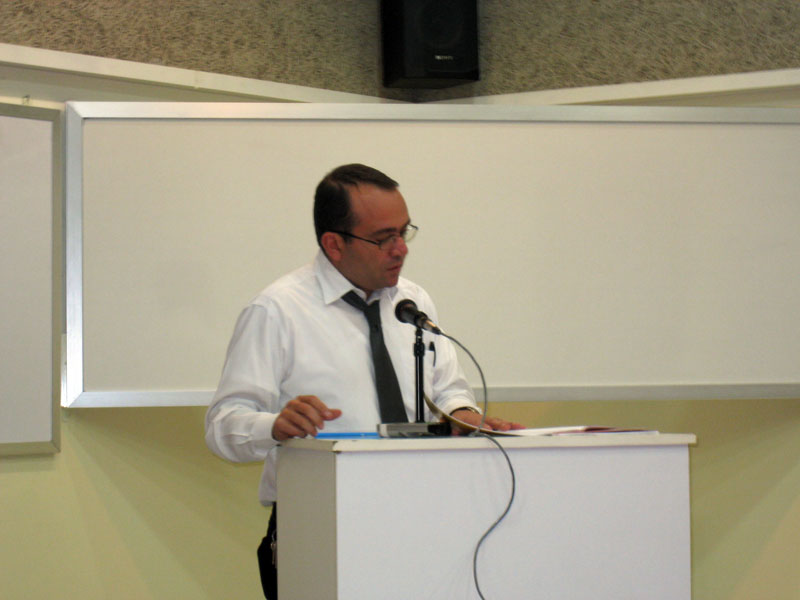
Mrs. Rita Lao-Manjelikian and Mr. Manoug Ibitian each presented, with collected data, the different issues that they have encountered in the Armenian Community.
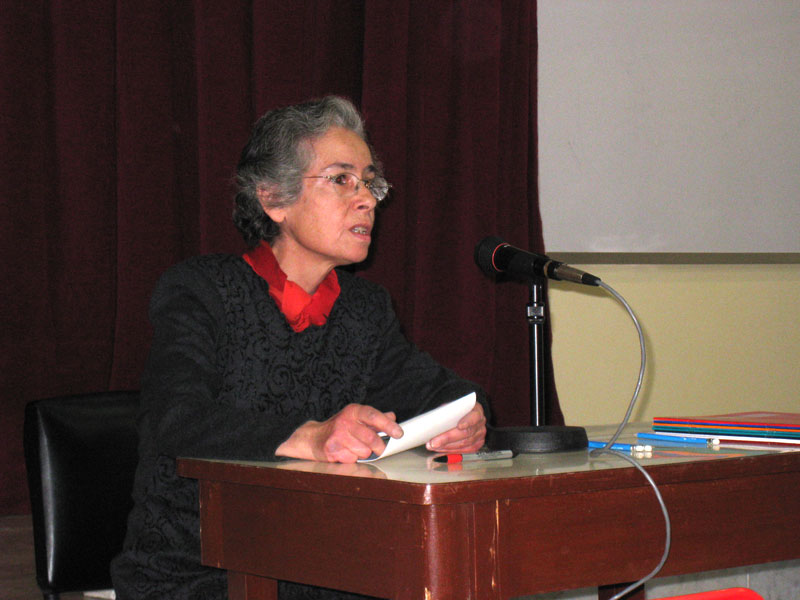
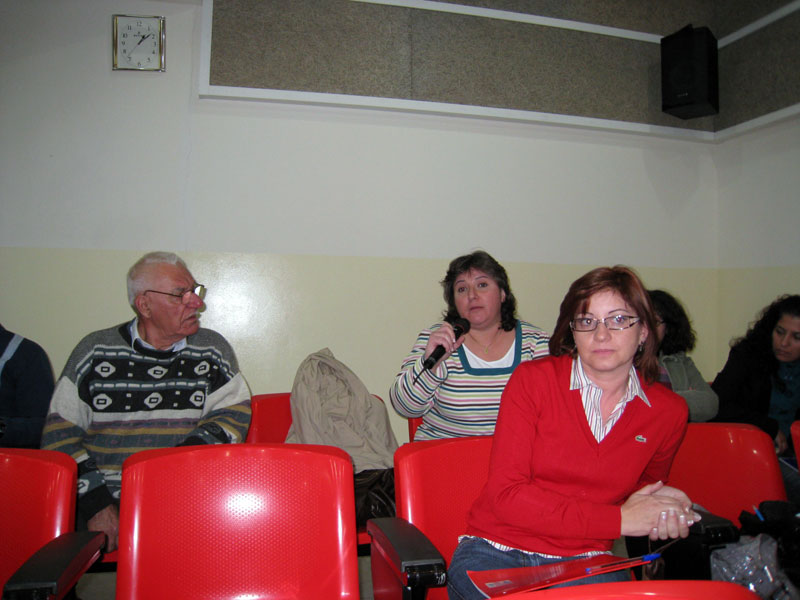
Ms. Annie Boudjikanian led the brainstorming session and discussions.
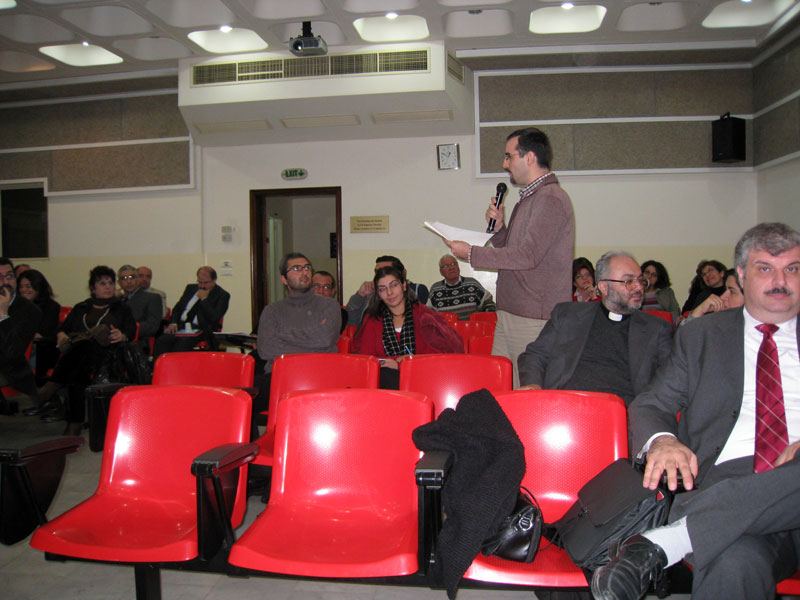
Discussions were also held in 3 separate groups: Educational, Church and Youth, Senior Citizens.
Rev. Sebouh Terzian concluded the meeting, and stated the Committee would take the recommendations and proposals seriously and come up with a working plan within the coming months.


Left pic: Mrs. Rita Lao-Manjelikian (social worker of the Armenian Evangelical Social Center)
Right pic: Mr. Manoug Ibitian (counselor of the Armenian Evangelical P. & E. Torosian Intermediate School)


Left pic: Ms. Annie Boudjikanian (social worker of the Ehlan Social Center)
Right pic: on the right showing Rev. Sebouh Terzian (CEO of the UAECNE), standing is Mr. Raffi Chilingirian (Armenian Evangelical CE Executive Committee)


Left pic: from left, Ms. Annie Boudjikanian, Rev. MousaOghli (Syria), Mrs. Yester Kilaghbian (Ashrafieh Church), Rev. Soghomon Kilaghbian (pastor of Ashrafieh Church), Ms. Kohar Balekjian (secretary at UAECNE), Mrs. Takouhi Sarkissian (Armenian Evangelical Education Council).
Right pic: Rev. Dr. Paul Haidostian (President of Haigazian University), Rev. President Mgrdich Karagoezian (President of UAECNE)


Left pic: Mrs. Helen Sagherian (Ashrafieh Church), Mrs. Sossy Balian (Armenian Evangelical Education Council) and Dr. Arda Ekmekji (Armenian Evangelical Education Council)
Right pic: standing Mr. Nerses Baghdoyan (First Church), sitting, Rev. Raffi Missirlian (Anjar Church), Rev. Vache Ekmekjian (Syria), Mr. Garbis Deyirmenjian (Armenian Evangelical CE Executive Committee), Rev. Hrayr Cholakian (Principal of Shamlian-Tatigian School)


Left pic: Mrs. Seta Karagoezian (Principal of the Armenian Evangelical P. & E. Torosian Intermediate School))
Right pic: Mrs. Sagherian standing and Mrs. Balian sitting


Left pic: Missionary Spangenberg (German missionary in Anjar)
Right pic: Rev. MousaOghli


Left pic: Rev. Raffi Missirlian
Right pic: Mr. Garoudj Aroyan (Emmanuel Church), Ms. Houry Barsoumian (Armenian Evangelical CE Excutive Committee)


Rev. and Mrs. Soghomon and Yester Kilaghbian