
ՔՐԻՍՏՈՆԷԱԿԱՆ ՋԱՆԻՑ ՇԱՐԺՈՒՄԻՆ 131 ԱՄԵԱԿԻՆ ՆՈՒԻՐՈՒԱԾ ՊԱՇՏԱՄՈՒՆՔ


ՔՐԻՍՏՈՆԷԱԿԱՆ ՋԱՆԻՑ ՇԱՐԺՈՒՄԻՆ 131 ԱՄԵԱԿԻՆ ՆՈՒԻՐՈՒԱԾ ՃԱՇԿԵՐՈՅԹ


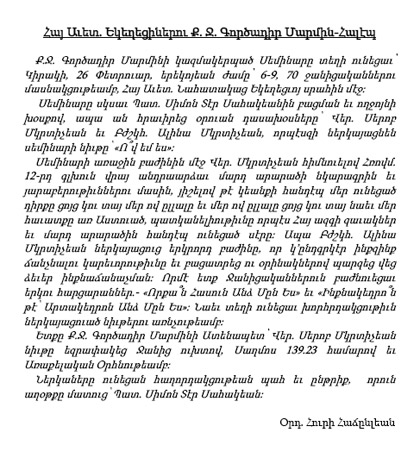
Հայ Աւետ. Եկեղեցիներու Ք. Ջ. Գործադիր Մարմին-Հալէպ
Այրող Արժէքները
Espresso for two? $16 please
Would you pay $16 for two cups of espresso? I generally would not, but in Beirut, we did just that. We probably weren’t paying for the espresso itself, but instead for the prime real estate where we we were enjoying our coffee. Located in downtown Beirut across from the house of parliament, this cafe was also unfortunate enough to be the last place the late Prime Minister Rafik Harriri drank coffee before being assassinated seven years ago.
Beirut is not cheap. Most meals here are either comparable or more expensive than what I’d be paying for in the US. Our produce and groceries in general matched what I would pay back home. The food is better and the atmosphere that much more lively (can you be an introvert in the Beirut?) and prices are just as comparable to what I would expect in the US.
One of the key difference on the cost of things here versus cost of things back in the US, is the emphasis on community. Things may be expensive, but rarely have I seen someone dine by themselves, or grab a cup of coffee by themselves. We drove and walked past several Starbucks coffee shops, and what stood out was that there was no one who was alone.
Taking Starbucks as an example, this is a company that values itself as building a third place for people–where community takes place. Yet my experience of Starbucks is less of that and more of it being an office away from the office. A place where I have my own personal time to do my own personal things.

In Lebanon, that’s hardly the value. The higher value is to build and enjoy community and friendships. Relationships are critical for everything here. So $16 may be expensive for a couple cups of coffee, but what we paid for was actually not the coffee nor the rent in prime location–we paid for the space and place to enjoy one another’s company.
Eddy Ekmekji,
Campus Minister,
California, USA

Beirut is not cheap. Most meals here are either comparable or more expensive than what I’d be paying for in the US. Our produce and groceries in general matched what I would pay back home. The food is better and the atmosphere that much more lively (can you be an introvert in the Beirut?) and prices are just as comparable to what I would expect in the US.
One of the key difference on the cost of things here versus cost of things back in the US, is the emphasis on community. Things may be expensive, but rarely have I seen someone dine by themselves, or grab a cup of coffee by themselves. We drove and walked past several Starbucks coffee shops, and what stood out was that there was no one who was alone.
Taking Starbucks as an example, this is a company that values itself as building a third place for people–where community takes place. Yet my experience of Starbucks is less of that and more of it being an office away from the office. A place where I have my own personal time to do my own personal things.
In Lebanon, that’s hardly the value. The higher value is to build and enjoy community and friendships. Relationships are critical for everything here. So $16 may be expensive for a couple cups of coffee, but what we paid for was actually not the coffee nor the rent in prime location–we paid for the space and place to enjoy one another’s company.
Eddy Ekmekji,
Campus Minister,
California, USA
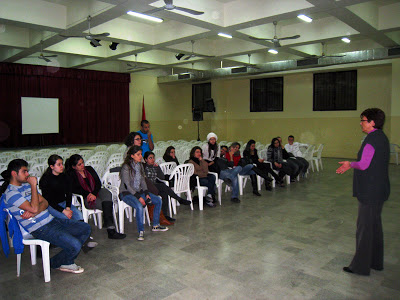
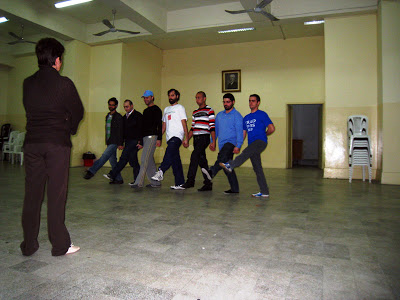
Shamlian-Tatikian Sipan Barakhoump Rehearsing
After the great success of Sipan Barakhoump in 2011, the barakhoump is getting ready for its 2012 performance as well.
Through the vibrant leadership of its wonderful baroostsooyts - Carina Alexanian - this year's show will be unique in its own.
Four different groups - yes! four different groups comprising current students and the alumni - will be taking part in this magnificent event which propagates the very best of Armenian culture through music, dance and other surprises.
Don't forget to see this unique show as the group will only be performing twice this year.
Manochil
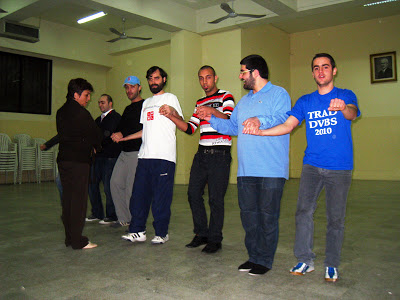

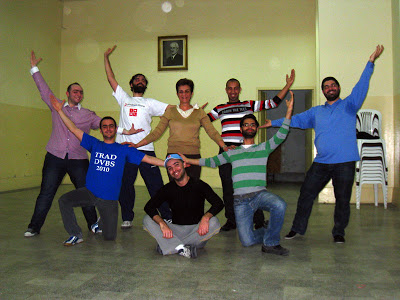
Through the vibrant leadership of its wonderful baroostsooyts - Carina Alexanian - this year's show will be unique in its own.
Four different groups - yes! four different groups comprising current students and the alumni - will be taking part in this magnificent event which propagates the very best of Armenian culture through music, dance and other surprises.
Don't forget to see this unique show as the group will only be performing twice this year.
Manochil
Կին Արարածը՝ Յիսուսի Աչքով Դիտած - Յովհ. 8.1-11 եւ Գաղ.3.28

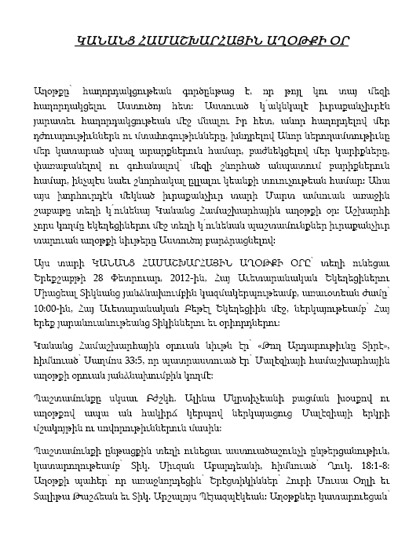
ԿԱՆԱՆՑ ՀԱՄԱՇԽԱՐՀԱՅԻՆ ԱՂՕԹՔԻ ՕՐ

The Bible: The Book of Hope
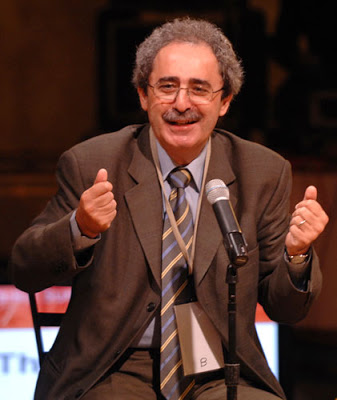
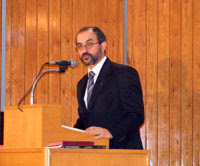
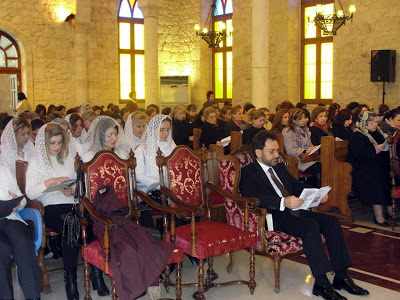
On the occasion of the announcement by His Holiness Catholicos Aram I of Holy See of Cilicia 2012 as the Year of the Armenian Book, the Armenian Prelacy of Cyprus has scheduled a series of lectures every Friday during the Lenten season. The first lecture was dedicated to the Bible, and the lecture was delivered by Mr. Hrayr Jebejian, General Secretary of the Bible Society in the Gulf. The lecture, entitled “The Bible: The Book of Hope” was delivered on February 24 in the Armenian Orthodox Church in Nicosia.

“Undoubtedly,” Mr. Jebejian said, “the Bible played an important role in the life of the Armenian people right from the day when Armenia accepted Christianity as a state religion in AD 301. The Armenian alphabet was invented so that the Bible will be translated into Armenian. Since then the national and Christian identities of the Armenian nation have been integrated as an inseparable entity. The Bible played a vital role in the development of the Armenian culture throughout the ages, and Christian faith helped the Armenian nation to overcome the many calamities it went through throughout its history.”
Mr. Jebejian pointed out that the theology of the Bible is based on the “I Am” sayings of Jesus Christ. “I am the resurrection and the life. He who believes in me, though he may die, he will live” (John 11:25). The essence of “I am” and the fact that He saves and offers a new life on earth and in eternity make Christianity a unique religion. “This new life is based on God’s love which is real because He came down to earth to share it with the world,” explained Mr. Jebejian.
“It is written in John 3:16 that God so loved the world that he gave his only begotten Son, that whoever believes in Him should not perish but have everlasting life,” he continued. “We are the recipients of God’s love and are asked to give the same love back to God by sharing it with the community we live in. This love is what makes the lives of human beings filled with the hope of God. We live this hope in our lives on earth and for eternity.” The life of the believer was illustrated through Luke 18:18 when “A certain ruler asked Jesus, ‘Good teacher, what must I do to inherit eternal life?’” A believer’s life is not in “doing this” or “not doing that” rather on setting their priorities right. A Christian’s priorities lie in accepting Jesus’ “I Am” as the leading motto in their life.
God’s love is illustrated in chapter 13 of Paul’s Letter to the Corinthians. Verse 4 talks about love being patient, enduring, with the intention of building something new and generating hope. This was the lesson Jesus intended to teach through the Parable of the Good Samaritan (Luke 10:25-37). The Samaritan’s love was characterized by his endurance and care for the wounded person to the end. Christian hope is community-oriented and helps to build a national, civic identity.
Mr. Jebejian’s final point was that hope for perfection is made possible because God “gave us a spirit not of fear but of power and love and self control” (2 Timothy 1:7). This same hope enables us to love life even when we struggle. It helps us to maintain a discipline in life where values are preserved. It is this same hope that will help believers to follow the path of Jesus and his experiences: His victorious entry to Jerusalem on Palm Sunday, His betrayal and suffering during the Holy week, His crucifixion and death on Good Friday and His triumphant resurrection from the dead on Easter Sunday. Similarly, as Christians we live a life full of joy, pain, and victory. The Bible helps us to navigate through all these experiences in a meaningful way, with an identity that is generated by the hope of eternal life.
“Undoubtedly,” Mr. Jebejian said, “the Bible played an important role in the life of the Armenian people right from the day when Armenia accepted Christianity as a state religion in AD 301. The Armenian alphabet was invented so that the Bible will be translated into Armenian. Since then the national and Christian identities of the Armenian nation have been integrated as an inseparable entity. The Bible played a vital role in the development of the Armenian culture throughout the ages, and Christian faith helped the Armenian nation to overcome the many calamities it went through throughout its history.”
Mr. Jebejian pointed out that the theology of the Bible is based on the “I Am” sayings of Jesus Christ. “I am the resurrection and the life. He who believes in me, though he may die, he will live” (John 11:25). The essence of “I am” and the fact that He saves and offers a new life on earth and in eternity make Christianity a unique religion. “This new life is based on God’s love which is real because He came down to earth to share it with the world,” explained Mr. Jebejian.
“It is written in John 3:16 that God so loved the world that he gave his only begotten Son, that whoever believes in Him should not perish but have everlasting life,” he continued. “We are the recipients of God’s love and are asked to give the same love back to God by sharing it with the community we live in. This love is what makes the lives of human beings filled with the hope of God. We live this hope in our lives on earth and for eternity.” The life of the believer was illustrated through Luke 18:18 when “A certain ruler asked Jesus, ‘Good teacher, what must I do to inherit eternal life?’” A believer’s life is not in “doing this” or “not doing that” rather on setting their priorities right. A Christian’s priorities lie in accepting Jesus’ “I Am” as the leading motto in their life.
God’s love is illustrated in chapter 13 of Paul’s Letter to the Corinthians. Verse 4 talks about love being patient, enduring, with the intention of building something new and generating hope. This was the lesson Jesus intended to teach through the Parable of the Good Samaritan (Luke 10:25-37). The Samaritan’s love was characterized by his endurance and care for the wounded person to the end. Christian hope is community-oriented and helps to build a national, civic identity.
Mr. Jebejian’s final point was that hope for perfection is made possible because God “gave us a spirit not of fear but of power and love and self control” (2 Timothy 1:7). This same hope enables us to love life even when we struggle. It helps us to maintain a discipline in life where values are preserved. It is this same hope that will help believers to follow the path of Jesus and his experiences: His victorious entry to Jerusalem on Palm Sunday, His betrayal and suffering during the Holy week, His crucifixion and death on Good Friday and His triumphant resurrection from the dead on Easter Sunday. Similarly, as Christians we live a life full of joy, pain, and victory. The Bible helps us to navigate through all these experiences in a meaningful way, with an identity that is generated by the hope of eternal life.