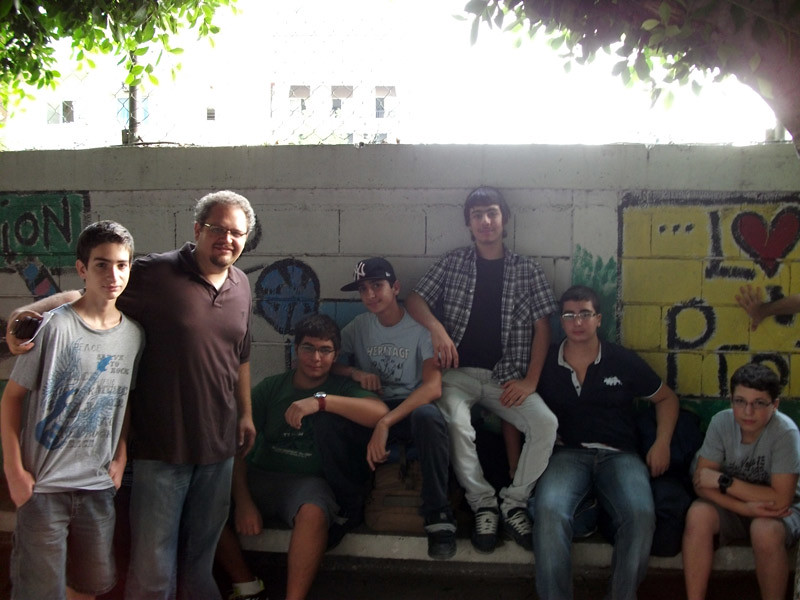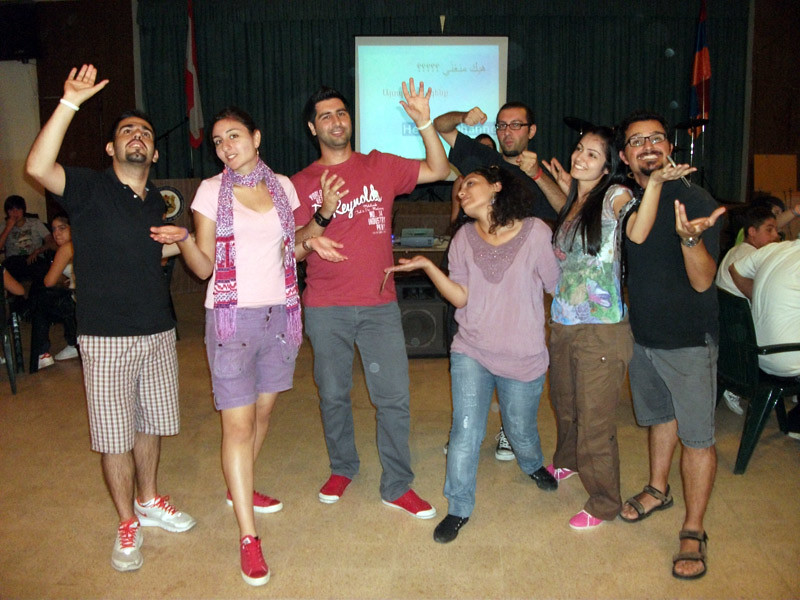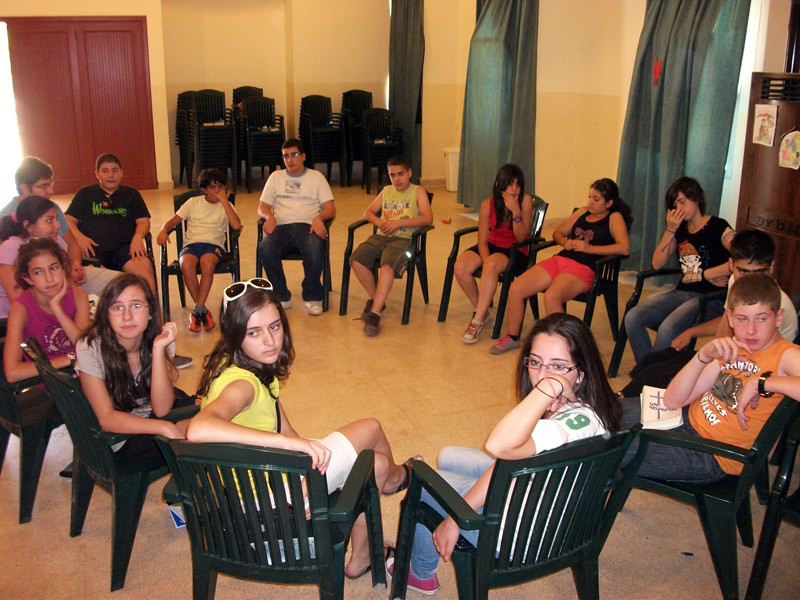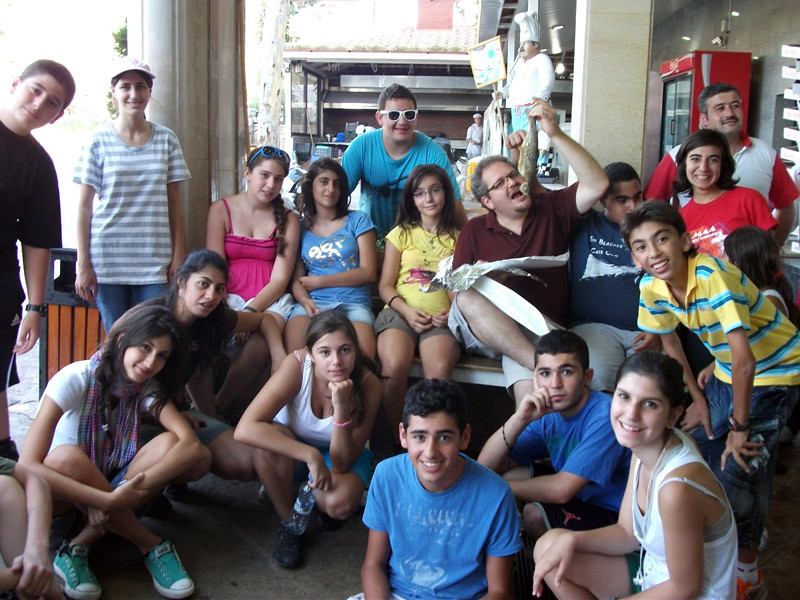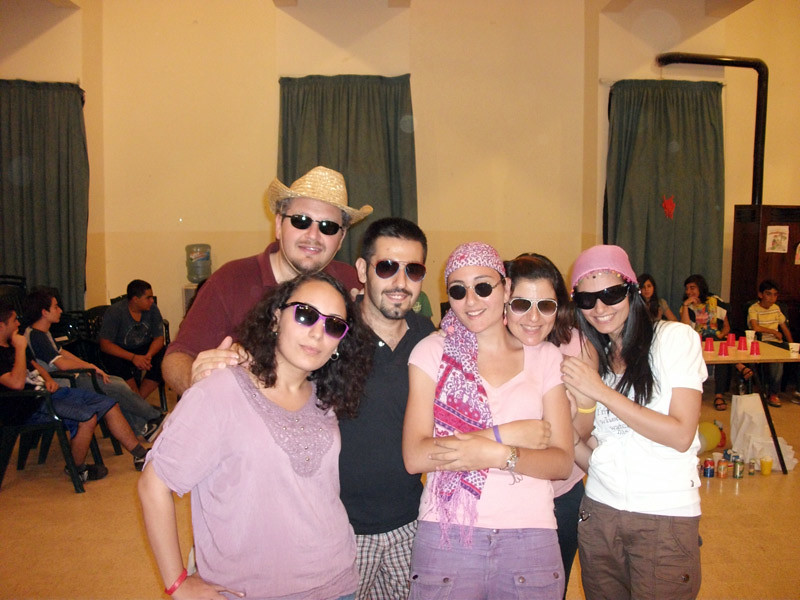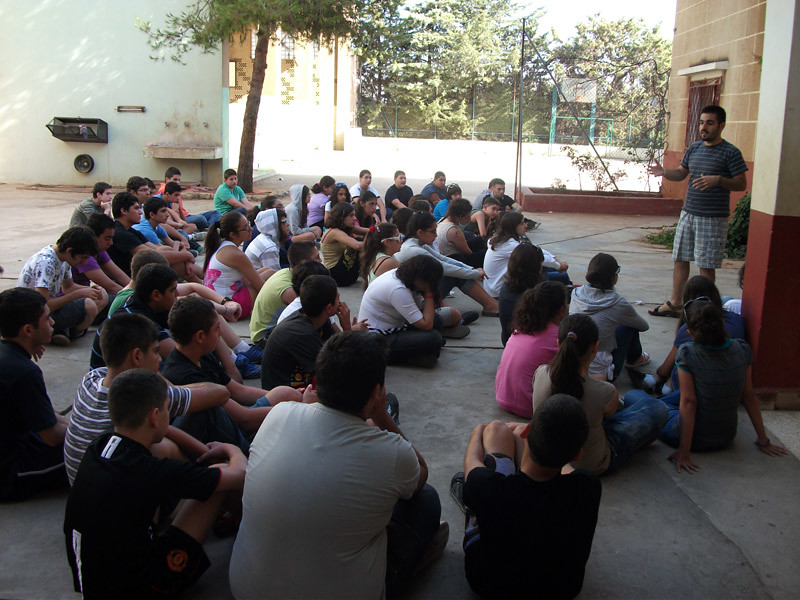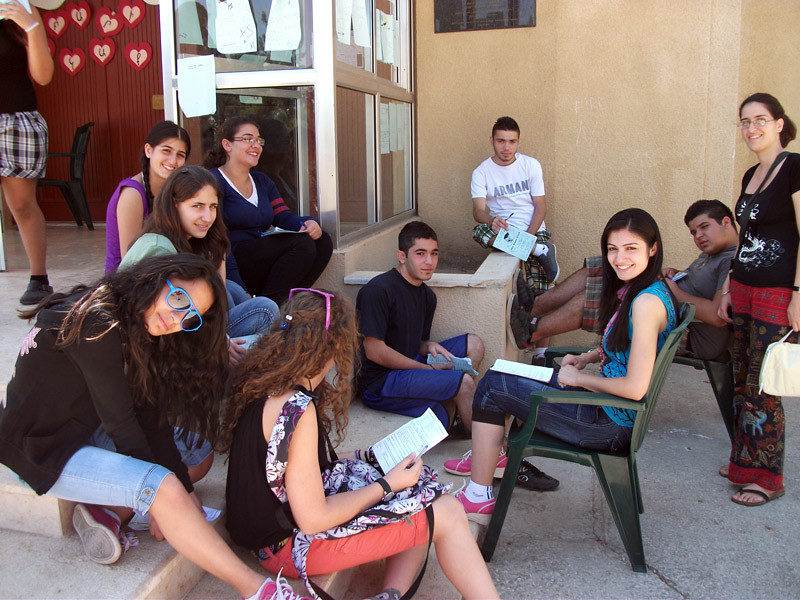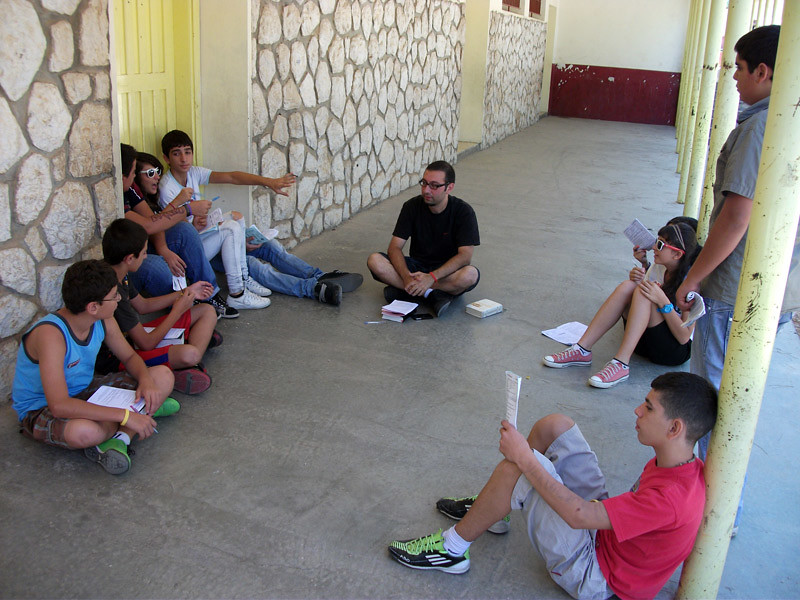

Junior Youth Summer Camp in Ainjar (August 15-21, 2011)

Junior Youth ministry is a dynamic part of the mission of the Armenian Evangelical Churches and Schools in Lebanon. Summer camps are considered the climax of our ministry.


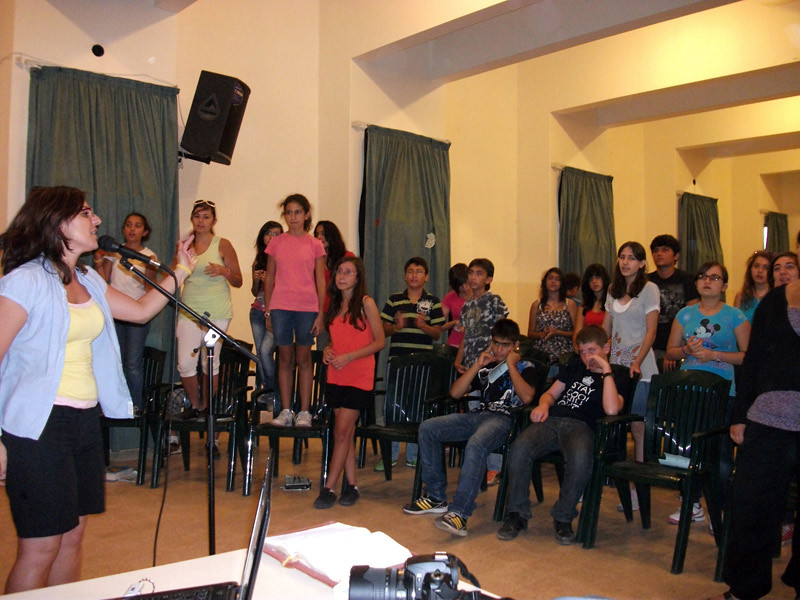
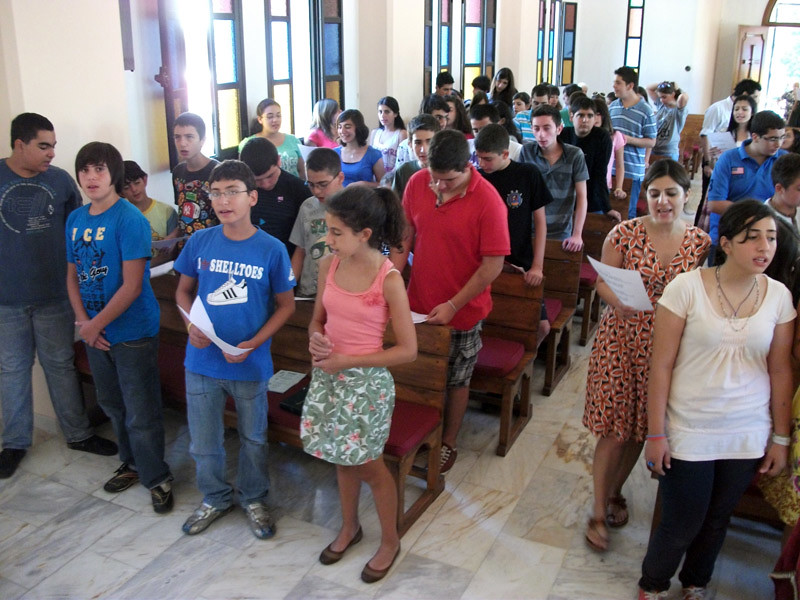
In 2011 we were blessed to have a full time youth worker, Pastor Datev Basmajian who also was the leader of the junior youth camp of this year. The speaker was Pastor Hrayr Cholakian, who talked around the theme of this year called “The Right Click”, which was about challenging relationships. For example: “Social Media vs. Real Relationships”, “Relationship with Parents”, “Relationship with the Needy”, “Relationship with the Opposite Sex”, and “Relationship with God”. It was challenging for the campers (66 teenagers) to be aware of the relationships around them, the importance of being healthy in those relationships, prioritize them, and take serious decisions according to God’s Word.


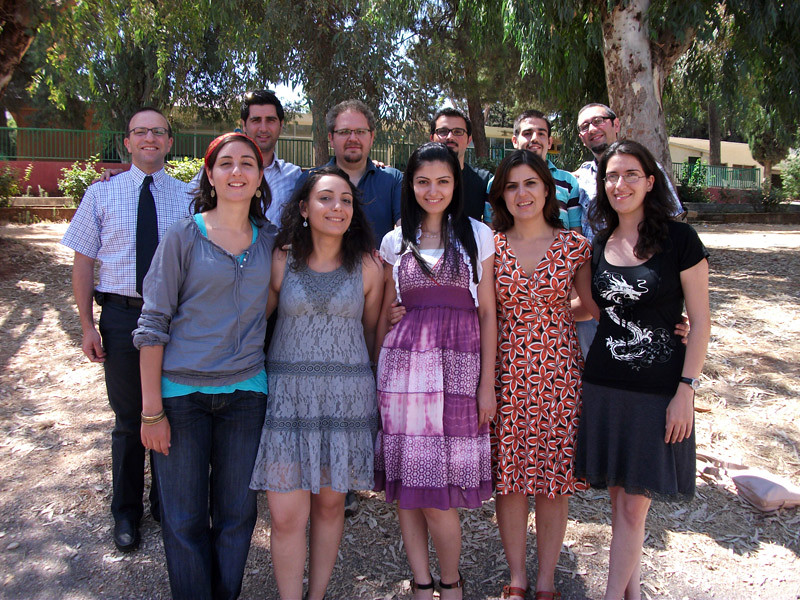
The counselors were 9, Mrs. Seta Kejelian, Mrs. Talin Meserlian, Miss Shushan Artinian, Miss Nanor Kelenjian, Miss Arine Baghdoyan, Mr. Shahan Kilaghabian, Mr. Shahe Demirjian, Mr. Hagop Akbasharian, and Mr. Jiro Ghazarian. They have committed their time, effort, service, focus, and availability to make this camp an event that would glorify our Lord Jesus Christ. I should also add that this year we had the privilege of inviting Rev. Greg Haroutunian to do a seminar for our leaders before camp, which was very helpful to focus on Christ, remembering our mission, and be filled with the Holy Spirit.


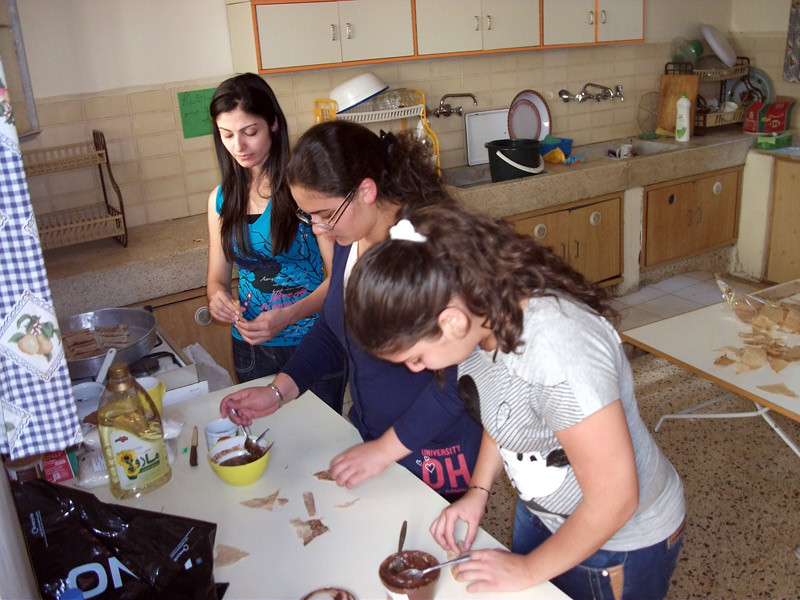
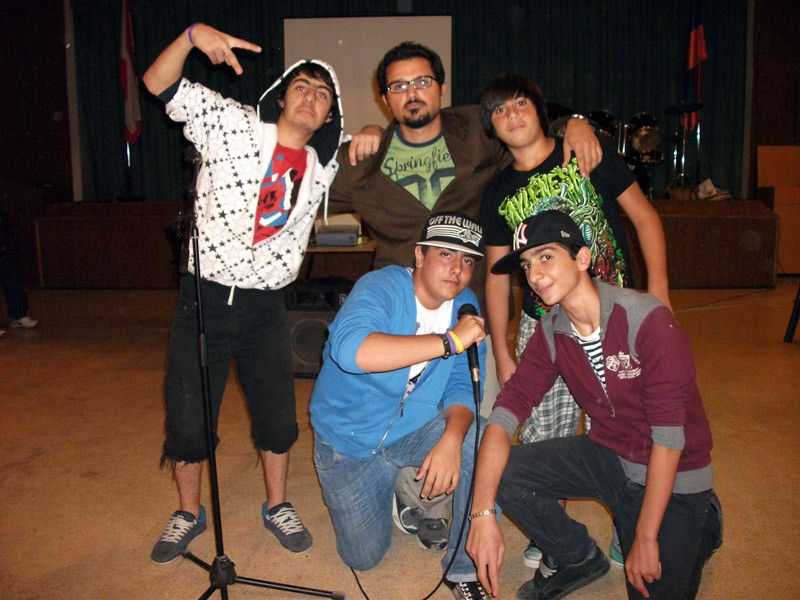
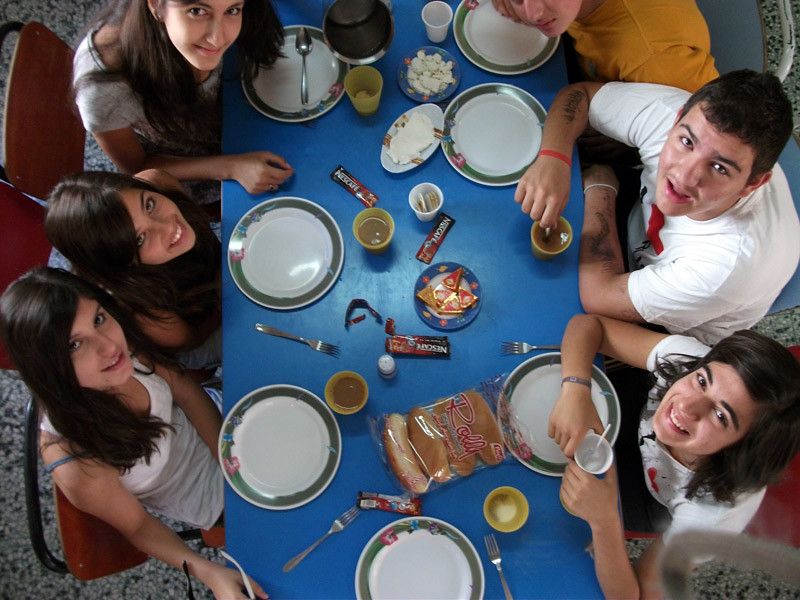
Our daily schedule was full. The campers woke up, had breakfast, quiet time with God, worship, , break into study groups, session, snack break, lunch, leaders meeting, workshops (NEWS, Video-Clip, Drama, Dessert, and Dance), outdoor activities and games, shower time, dinner, evening activities and games, sing song, and ended our day with prayer time.


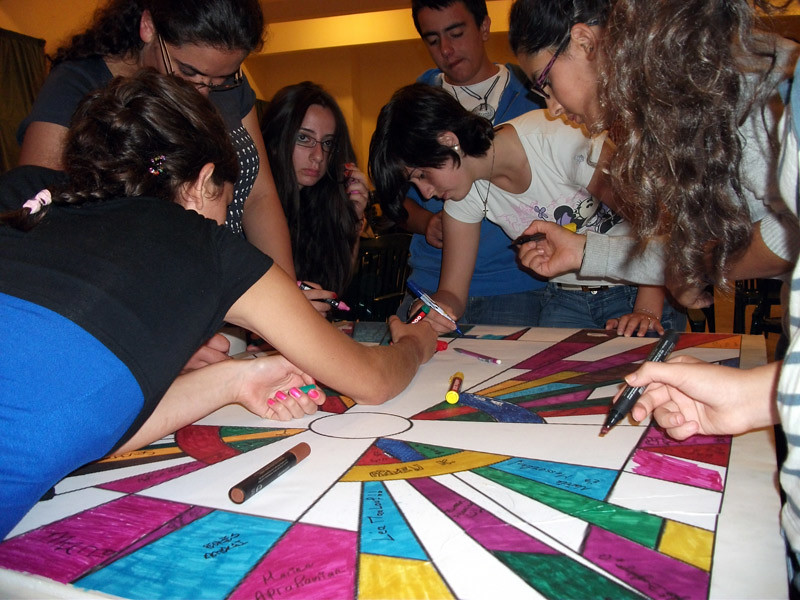
The commitment worship and session time, the campers and leaders painted the stained glass cross and wrote their names as a sing of their commitment and renewal. Many campers devoted their lives to Christ for the first time, and others had the chance to renew their vows in Christ Jesus our Savior.


As a follow up, each study group leader committed themselves to pray and meet with their groups. Also, a Facebook group was formed to keep in touch with the campers, encourage them daily, share prayer topics, verses from the scripture, pictures and videos taken during the camp, and post new events and gatherings and news about junior youth ministry. Soon, we are planning a follow up retreat in KCHAG.


I thank the leaders, the speaker, the AMAA, local supporters, Ainjar boarding school staff, and last but not least God, that made this camp happen. I believe that from the first of our planning meeting until now, we were blessed by his presence, guidance, grace, and power.


For His Glory, Amen.


Haigazian University Launches its Newly Established Armenian Diaspora Research Center

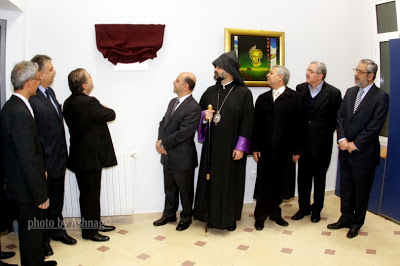
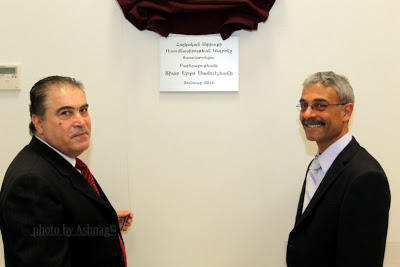
On Wednesday, January 25, 2012, Haigazian University held the formal opening ceremony of the Armenian Diaspora Research Center with the unveiling of the plaque in the new Heritage Building by the University President Rev. Dr. Paul Haidostian and Mr. YerchoSamuelian, whose donation made the launching of this center possible.

The center was established to study diverse aspects of the Armenian Diaspora communities in the Middle East and the rest of the world, with particular focus on their history, culture and issues of identity and integration. Using the most advanced research techniques, the center aims to conduct and publish primary research that will further understanding of the Diaspora and Armenian culture and protect its heritage. In addition, it will organize annual academic conferences, public lectures and internship programs, among other things.

This initiative which had officially been announced on September 5, 2011, opened in the presence of the President of the Lebanese University, Former Minister H.E. Dr. Adnan El Sayed Hussein,the Center’s Benefactor, Mr. YerchoSamuelian, Archbishop KeghanKhatcherian, Armenian Ambassador, H.E. Mr. AshodKotcharian, Members of ParliamentJean Oghasabian, HagopPakradouni, BassemShabb, Shant Chinchinian, former MP Dr. YeghiaJerejian, Vice Governor of the Central Bank, HaroutiounSamuelian, Head of the BourjHammoud Municipality, AntanigMesserlian, political party and cultural associations’ leaders, media representatives, intellectuals, in addition to Haigazian Board of Trustees, staff and faculty members.

After a welcoming note by Dean of Arts and Sciences ArdaEkmekji expressing her gratitude for the realization of this long-awaited project, the University President, Rev. Dr. Paul Haidostian outlined the significance of the Armenian Diaspora Research Center and the results that its research will hopefully produce.Characterizing the Armenian Diaspora as a “vast world of people, symbols, dynamics and relationships,” Haidostian emphasized the importance of researching these communities, taking us “deeper into revisiting what we thought we knew.” “We present our research to the academic community so that future generations may be reconciled with their past,” Haidostian added. He also showed his appreciation for the generous financial support of YerchoSamuelian and announced Dr. Antranik Dakessian as the appointed director of the center.

Lebanese University President Dr. Adnan El Sayed Hussein praised Haigazian’s role as a leading university in the country and particularly its importance as a center for the Armenian Diaspora. Hussein also emphasized the memorandum of understanding between Haigazian and the Lebanese University and their upcoming projects.

This was followed by the word of the Center’s Director, Dr. Antranik Dakessian, who elaborated on the extended contact between Lebanon and the Armenians, which can be traced backseveral hundred years but has been particularly prominent within the last century. Stressing on this interaction, Dakessian added that “it is the story of the intermingling of the Armenians and the local populations and is of immense cultural value.” Dakessian emphasized the planned collaboration of the research center “with local and international relevant centers” and expressed his appreciation for all those who contributed to the realization of the center.

A letter from the Armenian Minister of Diaspora, Mrs. HranoushHagopian, was then read by H.E. Mr. AshodKotcharian, the Armenian Ambassador, to offer her congratulations to Haigazian University and its dedicated staff and faculty.In the letter, Hagopian expressed her wish that the center becomes a scientific research center that will tackle Diaspora challenges and issues, greatly contributing to the cooperation between Armenians and the entire Armenian Diaspora.

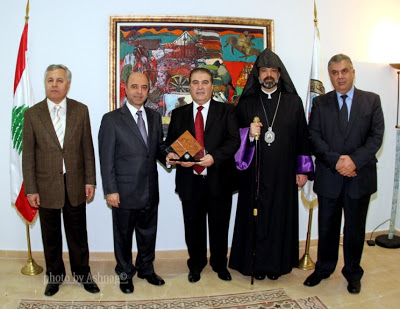
The opening ceremony concluded with the presentation of an honorary trophy to Mr. YerchoSamuelian, in recognition of his generous donation which helped make a dream of eleven years become reality.

U.S. Celebrates Merit-Based Scholarship Students at Haigazian University


U.S. Ambassador Maura Connelly congratulated scholars who received merit-based scholarships to Haigazian University upon their upcoming completion of their first semester in this unprecedented program in Lebanon. The 65 scholars are part of the United States Agency for International Development’s(USAID) University Student Assistance Program, which awards merit-based undergraduate scholarships to students from Lebanese public schools to attend Lebanon’s most prestigious universities.

USAID has devoted $27.5 million over the next several years to provide full merit-based scholarships to qualifying public high school graduates, many of whom are the first in their families to attend university. Scholarships cover tuition fees, books, living expenses, housing, and medical insurance.This academic year, 117 students were awarded merit-based scholarships to attend Haigazian University and the Lebanese American University (LAU), and more than half of the recipients are women. An additional 103 public school graduates will enroll at American University of Beirut and LAU in 2012 during the second phase of the program. Selectedscholars pursuean American-style education that promotes tolerance, gender and social equality, and challenges students to develop leadership skills, critical thinking, and initiative.This program is part of USAID continuous support of education in Lebanon over its 50 year history, supporting programs that have reached approximately 87,000 students.

WCC consultation in Beirut explores conciliar ecumenism

“Ecumenism is a quality of life that needs to be articulated in all aspects of a Christian’s life”, and “conciliarity is an essential nature of the church,” said Catholicos Aram I, head of the Holy See of Cilicia of the Armenian Apostolic Church. He was speaking to the audience at the World Council of Churches (WCC) consultation in Beirut, Lebanon.

Participants of the WCC consultation on “conciliar ecumenism” in Lebanon, 2012. © Photo Markar/Armenian Catholicosate of Cilicia

The consultation was hosted by the Middle East Council of Churches (MECC) from 5-11 February.

The consultation focused on the theme “conciliar ecumenism”, referring to the Christian councils and associations that pursue church unity at the national, regional or world level.

The meeting was attended by thirty-three leaders from national councils of churches (NCCs) and regional ecumenical organisations (REOs), building on the tradition of the WCC, REOs and NCCs working together to give expression to churches’ desire for unity in Christ.

Catholicos Aram I also identified three distinctive trends that require further consideration in conciliar ecumenism, namely the growing shift from church-centred to people-centred ecumenism, a shift from multi-confessional to confessional ecumenism, and a shift from global to regional and local ecumenism.

Other realities, such as the multiplicity of ecumenical actors, churches not yet identifying with the ecumenical movement, and questions of financial sustainability of councils, were identified by the Rev. Dr Olav Fykse Tveit, the WCC general secretary, during his presentation.

Tveit encouraged the participants to ask “if we are really the fellowship of churches that we are called to be, communities of churches that move forward towards the goal of visible unity?”

“And are we a common witness in the spirit and ethos of koinonia and guided by its values, such as solidarity, mutual accountability and the commitment to consensus and common witness?”

Koinonia is the New Testament vision of unity within the communion of the Holy Spirit.

In their responses participants focused on the theological and biblical basis of conciliar ecumenism, reflecting on its different expressions and implications for the role of national and regional councils.

Working together

They also pointed out the sociocultural and geopolitical issues including migration, a context where Christians are called to be witnesses. These issues were also addressed in a presentation by the Rev. Dr Michael Kinnamon, theological consultant for the meeting.

Fr Dr Paul Rouhana, general secretary of the MECC, spoke to the consultation about the challenges faced by his council due to the political turmoil in the region. But he emphasized the potential of churches working together to offer a witness of peace and unity to all.

Along with the group discussions, panels and sessions, participants also benefited from a shared spiritual life in Bible studies, prayers and songs.

“This meeting had several objectives,” said Natasha Klukach, WCC programme executive for North America. “There was urgency to address the very real challenges faced by councils throughout the world and to study together the basis and role of conciliar life within the ecumenical movement.”

“It was also important to build the fellowship and collegiality of this unique group of council leadership. Meeting in the Middle East was both a return to the land in which our faith is rooted, but also a valuable opportunity to focus our conversations by learning from our brothers and sisters in this region,” said Klukach.

A comprehensive report on the consultation, including future vision and recommendations for councils, will be commended to all associate councils of the WCC for study and reflection.

Source: WCC