Efforts toward Genocide Recognition - Rev. L. Nishan Bakalian
It was only a few days before Christmas 2010, and also the dying hours of the last session of the 111th Congress, when I found myself in Washington officially representing the Armenian Evangelical Union of North America, lending my support to the efforts to get the Armenian Genocide Resolution (H.R. 252) approved. Organized by the Armenian National Committee, a couple dozen volunteers, mostly young men and women and a few older clergy, such as me, spent an entire day ducking in and out of offices, trying to catch those representatives who were undecided to ask how they would vote on the resolution. My task was to appeal to their conscience regarding what should be a human rights issue and to remind them that the impunity which has reigned for the past ninety-six years must not continue if crimes like this are ever going to be stopped.
I realize that not everyone agrees that congressional resolutions are worth anything, or that the crime of genocide can be effectively combated. I think that simply remaining silent on the subject is worse than making no attempt whatsoever. Many Armenians think that the effort spent on pursuing the passage of these resolutions is a waste of time. Many Americans think it is against this country’s interests to “dredge up the past” and tantamount to disloyalty to endanger a strategic alliance for the sake of a proclamation. Turkey, however, views it with the utmost seriousness, and expends considerable energy to thwart any official mention of the subject, or that unmentionable word, genocide. considers it of the utmost importance. Enter: the “dueling grandmothers”.
I was paired up with an Armenian Catholic fellow from Providence, more experienced than I in moving about the halls of our nation’s capital. In our trek through the congressional office buildings, as were searching for the next representative on our list, we encountered a large, friendly fellow who extended his hand in greeting and said with a smile, “Are you working on the Genocide Resolution?” When we said “yes”, he responded, “I am, too! But on the other side.” And so we stood there in the hallway and talked or, rather, listened to his arguments as to why the resolution was a mistake. We had heard it all before: it was a long time ago; history should be left to the historians and not to politicians; many people on both sides were killed; Armenians were siding with the Russians; etc., etc. My cohort countered with arguments that this Turkish fellow had no doubt heard before: that an indigenous population does not just “disappear”; that something cataclysmic must have happened for them to forsake their homes and villages; and so forth. Finally our “sparring partner” said this: “My grandmother told me about how the Armenians in her town attacked them with weapons, and so they sent for help from the Turkish troops. If they had not arrived, the Turkish villagers would have all been massacred!”
On the other hand, we also met some aides and congressional staffers who were clearly not enamored of the cynical attitude of the Turkish government or its agents, and clearly stated that “there’s no question that what was perpetrated was genocide.” Words such as this were quite heartening, especially when coming from people who have no vested interests in “playing to the Armenians.”
Earlier in the year, in April, again in Washington, D.C., I represented the AEUNA when the President of Armenia, Serzh Sargsyan, placed a wreath at Woodrow Wilson’s tomb. There in the National Cathedral I wondered what Wilson, Morgenthau, Davis and other diplomats and public servants of that time would have thought of our struggle today simply to gain recognition for something that had been so plainly obvious to them. They wrote about it, and pled the cause of the persecuted, and strove to establish a free and independent homeland, so that the Armenian people would have a respite from greedy and malicious forces. This is why today we continue to speak and write about the Genocide, and we pray to our sovereign God to inspire in today’s public servants courage, principled thought, and a love of the truth, in place of the expediency and arrogant self-interest that is so prevalent. Perhaps then those in authority would be better able to provide the moral leadership so much in need in this country and in our world.

Rev. Bakalian is the pastor of the Armenian Martyrs’ Congregational Church of Greater Philadelphia and formerly the Campus Minister at Haigazian University, Beirut, Lebanon
I realize that not everyone agrees that congressional resolutions are worth anything, or that the crime of genocide can be effectively combated. I think that simply remaining silent on the subject is worse than making no attempt whatsoever. Many Armenians think that the effort spent on pursuing the passage of these resolutions is a waste of time. Many Americans think it is against this country’s interests to “dredge up the past” and tantamount to disloyalty to endanger a strategic alliance for the sake of a proclamation. Turkey, however, views it with the utmost seriousness, and expends considerable energy to thwart any official mention of the subject, or that unmentionable word, genocide. considers it of the utmost importance. Enter: the “dueling grandmothers”.
I was paired up with an Armenian Catholic fellow from Providence, more experienced than I in moving about the halls of our nation’s capital. In our trek through the congressional office buildings, as were searching for the next representative on our list, we encountered a large, friendly fellow who extended his hand in greeting and said with a smile, “Are you working on the Genocide Resolution?” When we said “yes”, he responded, “I am, too! But on the other side.” And so we stood there in the hallway and talked or, rather, listened to his arguments as to why the resolution was a mistake. We had heard it all before: it was a long time ago; history should be left to the historians and not to politicians; many people on both sides were killed; Armenians were siding with the Russians; etc., etc. My cohort countered with arguments that this Turkish fellow had no doubt heard before: that an indigenous population does not just “disappear”; that something cataclysmic must have happened for them to forsake their homes and villages; and so forth. Finally our “sparring partner” said this: “My grandmother told me about how the Armenians in her town attacked them with weapons, and so they sent for help from the Turkish troops. If they had not arrived, the Turkish villagers would have all been massacred!”
On the other hand, we also met some aides and congressional staffers who were clearly not enamored of the cynical attitude of the Turkish government or its agents, and clearly stated that “there’s no question that what was perpetrated was genocide.” Words such as this were quite heartening, especially when coming from people who have no vested interests in “playing to the Armenians.”
Earlier in the year, in April, again in Washington, D.C., I represented the AEUNA when the President of Armenia, Serzh Sargsyan, placed a wreath at Woodrow Wilson’s tomb. There in the National Cathedral I wondered what Wilson, Morgenthau, Davis and other diplomats and public servants of that time would have thought of our struggle today simply to gain recognition for something that had been so plainly obvious to them. They wrote about it, and pled the cause of the persecuted, and strove to establish a free and independent homeland, so that the Armenian people would have a respite from greedy and malicious forces. This is why today we continue to speak and write about the Genocide, and we pray to our sovereign God to inspire in today’s public servants courage, principled thought, and a love of the truth, in place of the expediency and arrogant self-interest that is so prevalent. Perhaps then those in authority would be better able to provide the moral leadership so much in need in this country and in our world.
____________
The Spirit of Togetherness in Franklin’s City
Philadelphia, July 2010: “Mher, a legendary figure of inspiring power symbolizing the invincible faith of the Armenian people - the first nation to endorse Christianity” reads the inscription on the 22-foot-high Young Meher monument, a gift by the Armenian community to the city of Philadelphia on April 24, 1976 on the occasion of the US Bicentennial. The
sculptor Khoren Der Harootian (1909-1991), a genius of an artist, has Mher holding the cross up and at the base a panoramic basrelief in bronze depicting major tragic events in the history of the Armenian people but
that culminated in their resurrection like the Phoenix from the ashes.
It was this same survival-against-all-theodds history that I witnessed while I preached at the Armenian Evangelical Martyrs’ Congregational Church in Havertown on Sunday, July 4, 2010.
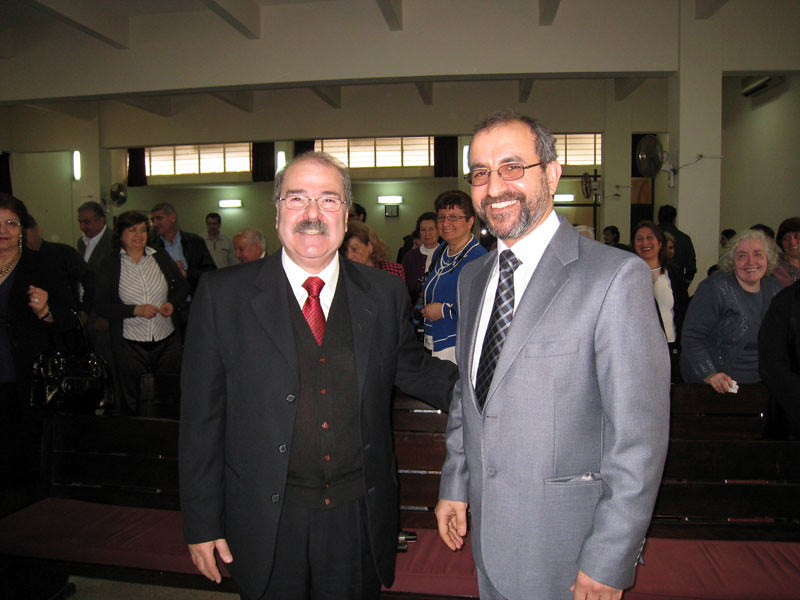
Indeed, Rev. Nishan Bakalian’s inspiring leadership has been very instrumental in the life of the Church. Rev. Bakalian, a Philly, moved with his family to Beirut twice to serve in the institutions of the Union of the Armenian Evangelical Churches in the Near East. He is back in his home city now with the zeal and passion to do more within the Armenian Evangelical Church and Armenian community.
The Armenian Evangelical Church in Philadelphia was founded in 1907 by Rev. Haig Yardumian. The present building in the suburb of Havertown was built in 1964.
This century-old history of the Armenian Evangelical Church in Philadelphia is a living testimony of the community’s commitment to Christ, His Word, and the Armenian nation.
Philadelphia, with its lush green scenery and the beautiful Delaware River, is one of the most beautiful cities in the US. The city is especially proud of one of its citizens, Benjamin Franklin, who was one of the Founding Fathers of the US. Franklin, a writer, inventor, diplomat, businessman, musician, scientist, humanist, and civic leader, helped found a new nation and define the American character.
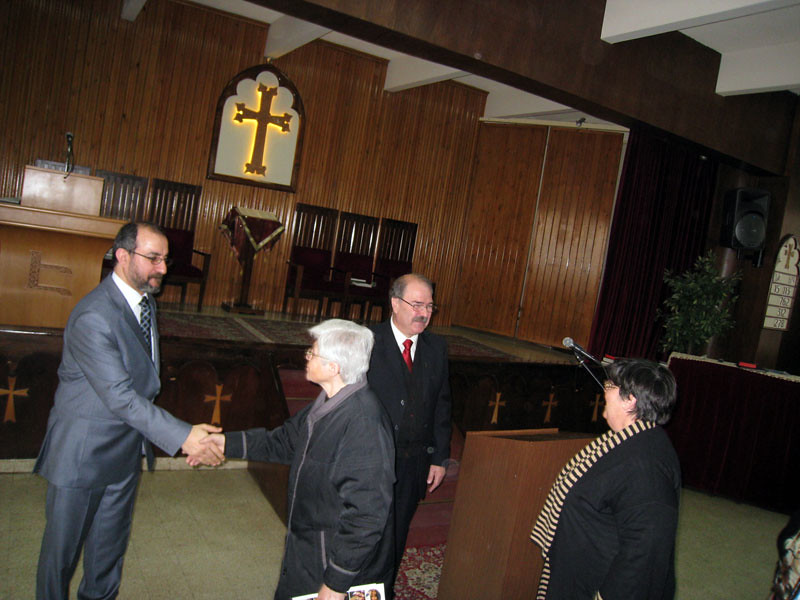
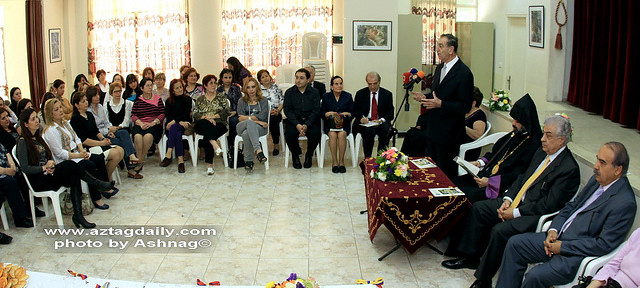
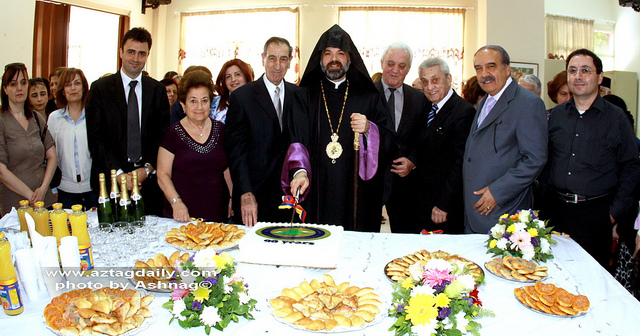
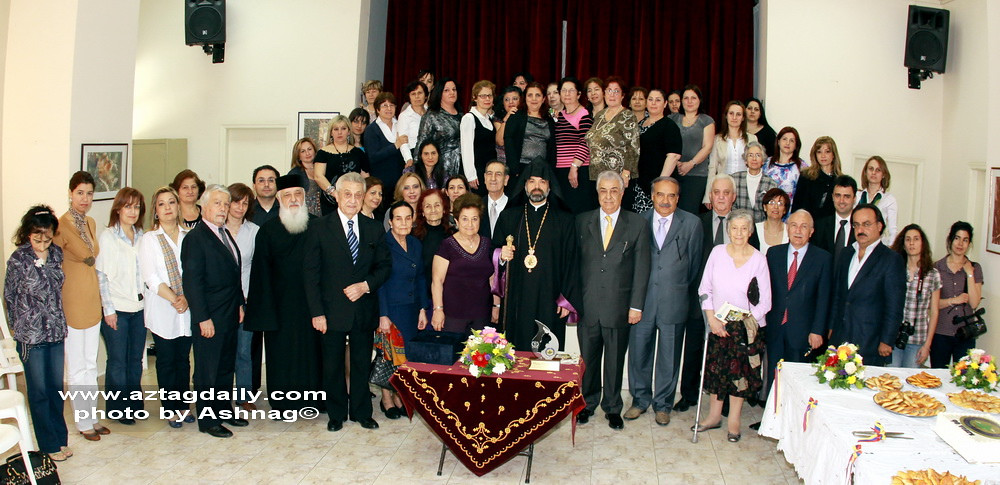
Rightly, Philadelphia is dubbed as “the city of brotherly love”, as it is home for more than 15,000 Armenians. I also sensed this “brotherly love” when I met with the Armenian Apostolic and Catholic clergy at the luncheon organized by the Armenian Evangelical Church on the occasion of the Independence Day. A spirit of togetherness has been established over the last 50 years where the whole community come together regularly to celebrate Vartanants, Martyrs’ Day, and Tarkmanchats. This same spirit is rooted in the daily lives of the community where the five established Armenian churches, Armenian Catholic St. Mark, Armenian Apostolic Sts. Sahag and Mesrob, Holy Trinity, and St. Gregory the Illuminator, and Armenian Congregational Martyrs’, come together regularly for fellowship, consultation, and celebration of cultural, religious, and historical events.
The Armenian community in Philadelphia is faithful to the historical values of their adopted city with a spirit of togetherness. It is this same spirit that creates a new history with Mher’s enduring power for struggle, existence, and identity.
Hrayr Jebejian
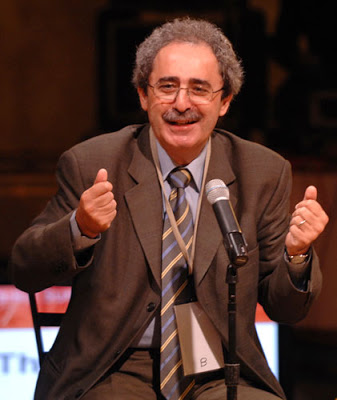


sculptor Khoren Der Harootian (1909-1991), a genius of an artist, has Mher holding the cross up and at the base a panoramic basrelief in bronze depicting major tragic events in the history of the Armenian people but
that culminated in their resurrection like the Phoenix from the ashes.
It was this same survival-against-all-theodds history that I witnessed while I preached at the Armenian Evangelical Martyrs’ Congregational Church in Havertown on Sunday, July 4, 2010.
Indeed, Rev. Nishan Bakalian’s inspiring leadership has been very instrumental in the life of the Church. Rev. Bakalian, a Philly, moved with his family to Beirut twice to serve in the institutions of the Union of the Armenian Evangelical Churches in the Near East. He is back in his home city now with the zeal and passion to do more within the Armenian Evangelical Church and Armenian community.
The Armenian Evangelical Church in Philadelphia was founded in 1907 by Rev. Haig Yardumian. The present building in the suburb of Havertown was built in 1964.
This century-old history of the Armenian Evangelical Church in Philadelphia is a living testimony of the community’s commitment to Christ, His Word, and the Armenian nation.
Philadelphia, with its lush green scenery and the beautiful Delaware River, is one of the most beautiful cities in the US. The city is especially proud of one of its citizens, Benjamin Franklin, who was one of the Founding Fathers of the US. Franklin, a writer, inventor, diplomat, businessman, musician, scientist, humanist, and civic leader, helped found a new nation and define the American character.
Rightly, Philadelphia is dubbed as “the city of brotherly love”, as it is home for more than 15,000 Armenians. I also sensed this “brotherly love” when I met with the Armenian Apostolic and Catholic clergy at the luncheon organized by the Armenian Evangelical Church on the occasion of the Independence Day. A spirit of togetherness has been established over the last 50 years where the whole community come together regularly to celebrate Vartanants, Martyrs’ Day, and Tarkmanchats. This same spirit is rooted in the daily lives of the community where the five established Armenian churches, Armenian Catholic St. Mark, Armenian Apostolic Sts. Sahag and Mesrob, Holy Trinity, and St. Gregory the Illuminator, and Armenian Congregational Martyrs’, come together regularly for fellowship, consultation, and celebration of cultural, religious, and historical events.
The Armenian community in Philadelphia is faithful to the historical values of their adopted city with a spirit of togetherness. It is this same spirit that creates a new history with Mher’s enduring power for struggle, existence, and identity.
Hrayr Jebejian
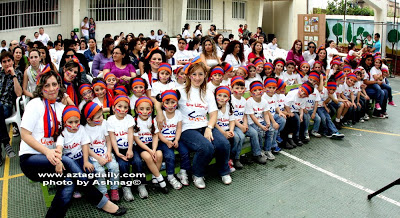
Armenian Evangelical Ashrefieh Church's Sunday School Visiting Kahl and Elderly House
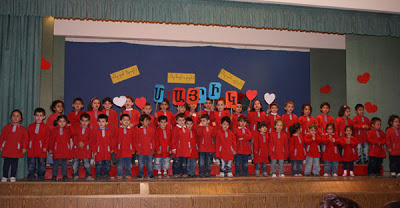
On Sunday, 22 May 2011 - the Sunday School children, along with their teachers, of the Armenian Evangelical Ashrafieh Church visited Kahl and the Elderly House in Bourj Hammoud.
We spent time with every single elder, singing to them and giving them cookies.
Not only they were happy, but we were blessed to see their smiling faces and hearing their stories.
Gassia Keloukian,
Sunday School teacher


We spent time with every single elder, singing to them and giving them cookies.
Not only they were happy, but we were blessed to see their smiling faces and hearing their stories.
Gassia Keloukian,
Sunday School teacher
The Members of the Armenian Evangelical Emmanuel Church Re-elect Rev. Svajian for Another Term
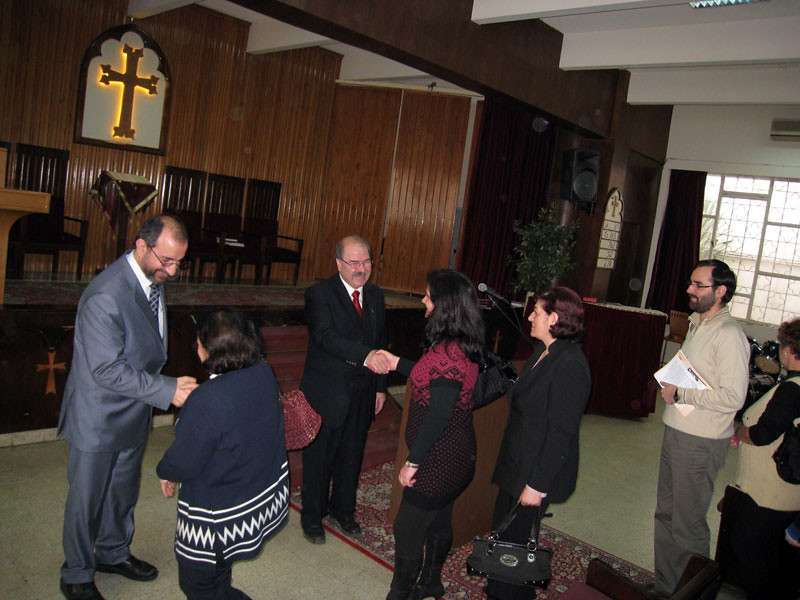
On Sunday, 20 March - after the church service, and in the presence and chairmanship of the president of the UAECNE, Rev. Megerdich Karagoezian, 47 members of the Armenian Evangelical Emmanuel Church, re-elected Rev. Hovhanness Svajian for another three years to be their pastor.
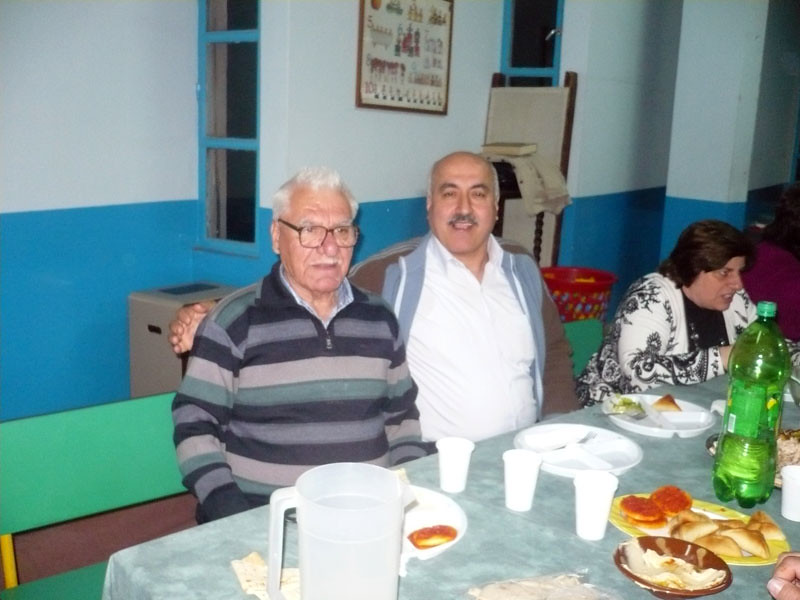
Preceding the re-election, Rev. Svajian read his report for the past three years in pastoring the church, after which, Rev. Karagoezian reminded the members about their responsibilities and vision as a church.
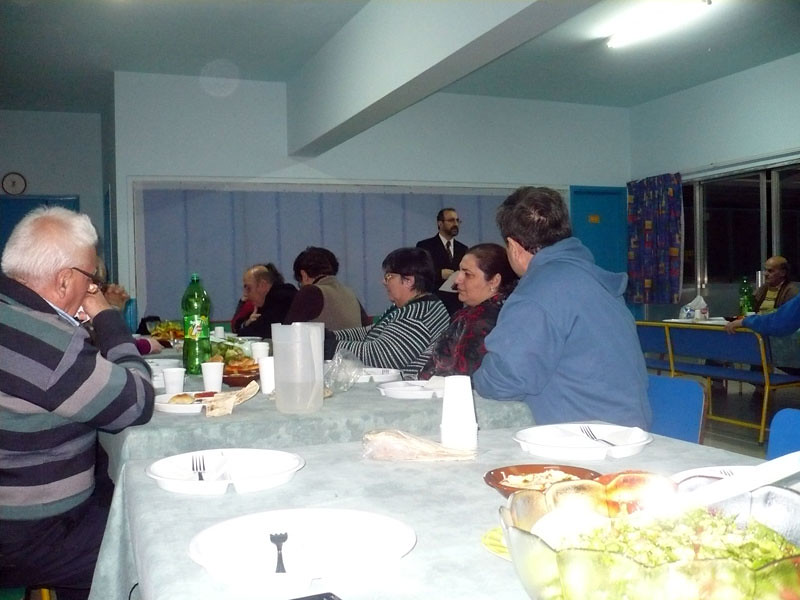
After the re-election, Rev. Svajian received congratulations and gratitude from the church members.


Preceding the re-election, Rev. Svajian read his report for the past three years in pastoring the church, after which, Rev. Karagoezian reminded the members about their responsibilities and vision as a church.
After the re-election, Rev. Svajian received congratulations and gratitude from the church members.


The Launching of the 90th Anniversary Events of the Karegheusian Association
Միահամուռ Քայլերով Ընթացք
Screening of “Ravished Armenia” in Commemoration of the Armenian Genocide
On Saturday, April 30, the Lebanese public had a unique opportunity to watch the first Armenian Genocide film “Ravished Armenia” that was produced in 1919. The Armenian Evangelical Cultural Association (AECA) organized a special evening to commemorate the 96th anniversary of the Armenian Genocide. The event took place at the First Armenian Evangelical Church in Beirut.
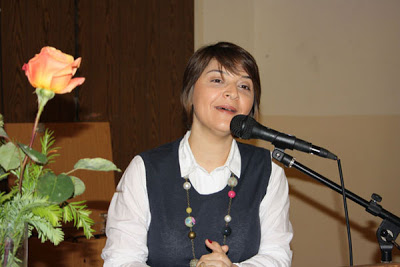
The program began with the opening word of the chairperson of the AECA Miss Shushan Artinian, who noted that the evening was a special tribute to all the survivors of the Genocide perpetrated by the Ottoman government, and especially to Arshalouys ‘Aurora’ Mardiganian, a witness and survivor during the first World War. She then introduced the guest speaker, Miss Katia Peltekian, currently a faculty member at Haigazian University, who spends her time researching for old archival material related to the Genocide, her main interest being compiling newspaper reports and articles of the late 19th century and early 20th century.
The evening’s program began with poetry recital. Sero Kelougian recited Siamanto’s “I Want To Die Singing” and was accompanied with duduk melody performed by his father Hagop Kelougian. Then Miss Peltekian took the podium and introduced the film “Ravished Armenia.” Her presentation included information about the making of the movie at the end of 1918 in Hollywood, including information about the producer, the director, and the cast which included Arshalouys herself and Mr. Henry Morgenthua, US Ambassador to Turkey at the time. Miss Peltekian then showed a few ads she had collected from different newspapers of the time promoting the film in different cities of the USA, Canada, and Britain. The ads specifically indicated that the purpose of the movie was to raise $30 million to help the orphans that had survived the massacres during 1915-16. One interesting news item came from Great Britain, where the League of Nations Union wanted to screen the movie at the Royal Albert Hall; political intrigue from the Foreign office resulted in censoring by the Scotland Yard and the Home Office five scenes from the movie in order not to raise any anti-Turkish sentiments as the Peace Conference with Turkey was still going on. The censoring of crucial scenes was implemented, and the word “Christian” was erased from all subtitles before it was given permission to be shown to the public.
Afterwards, Miss Peltekian related the story of 14-year-old Arshalouys Mardiganian, who had witnessed not only the murder of every single member of her family on the deportation route, but also the daily sufferings and mass murders of her fellow-Armenians. In fact, Arshalouys was also abducted and sold to Turkish pashas and beys for their harems. She escaped the two-year ordeal and was finally saved by an American missionary in Erzuroum and brought to New York with the help of the American Committee for Armenian and Syrian Relief.
The audience then watched the movie. The original movie was 85 minutes long, but it is considered lost. However, a 20-minute segment was discovered a couple of decades ago and is now reserved at the Genocide Museum in Yerevan. The nitrate based film was newly restored and produced by the late Richard Kloian from the Armenian Genocide Resource Center of
Northern California. The audience, some with tears in their eyes, watched the excruciatingly disturbing and stirring scenes that depicted every single crime that constitutes Genocide.
After the movie, Miss Peltekian described the last days of Arshalouys Mardiganian, who had married in 1929 and had a son. However, although she had lived and survived the worst atrocity in the history of mankind, her life ended in more tragedy as she died alone and her body was not claimed by anyone, not even her son. Her ashes were buried with around 2100 other unclaimed ashes of those who had passed away in 1994. Arshalouys did not even have a gravestone with her name carved on it.
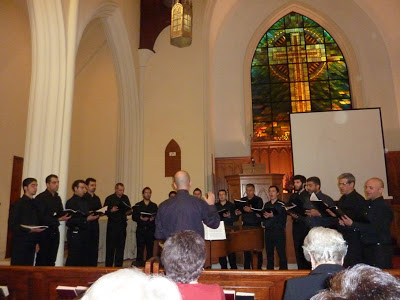
At the end of the evening’s program, the Arakelots’ Chamber Choir, conducted by Krikor Alozian and accompanied by Hasmig Kasbarian on the piano, performed Mesrob Mashdots’ “I Stand Before Thee” and “ Have Mercy on Me, Oh Lord!” and Magar Yegmalian’s “Holy Holy.”
The evening was concluded by Pastor Hrayr Cholakian.
Press Release
Armenian Evangelical Cultural Association
The First Armenian Evangelical Church
Mexique Street, 11-2508
Riyad El Solh, Beirut 1107-2110, Lebanon Email: aecahamm@yahoo.com
May 1, 2011
The program began with the opening word of the chairperson of the AECA Miss Shushan Artinian, who noted that the evening was a special tribute to all the survivors of the Genocide perpetrated by the Ottoman government, and especially to Arshalouys ‘Aurora’ Mardiganian, a witness and survivor during the first World War. She then introduced the guest speaker, Miss Katia Peltekian, currently a faculty member at Haigazian University, who spends her time researching for old archival material related to the Genocide, her main interest being compiling newspaper reports and articles of the late 19th century and early 20th century.
The evening’s program began with poetry recital. Sero Kelougian recited Siamanto’s “I Want To Die Singing” and was accompanied with duduk melody performed by his father Hagop Kelougian. Then Miss Peltekian took the podium and introduced the film “Ravished Armenia.” Her presentation included information about the making of the movie at the end of 1918 in Hollywood, including information about the producer, the director, and the cast which included Arshalouys herself and Mr. Henry Morgenthua, US Ambassador to Turkey at the time. Miss Peltekian then showed a few ads she had collected from different newspapers of the time promoting the film in different cities of the USA, Canada, and Britain. The ads specifically indicated that the purpose of the movie was to raise $30 million to help the orphans that had survived the massacres during 1915-16. One interesting news item came from Great Britain, where the League of Nations Union wanted to screen the movie at the Royal Albert Hall; political intrigue from the Foreign office resulted in censoring by the Scotland Yard and the Home Office five scenes from the movie in order not to raise any anti-Turkish sentiments as the Peace Conference with Turkey was still going on. The censoring of crucial scenes was implemented, and the word “Christian” was erased from all subtitles before it was given permission to be shown to the public.
Afterwards, Miss Peltekian related the story of 14-year-old Arshalouys Mardiganian, who had witnessed not only the murder of every single member of her family on the deportation route, but also the daily sufferings and mass murders of her fellow-Armenians. In fact, Arshalouys was also abducted and sold to Turkish pashas and beys for their harems. She escaped the two-year ordeal and was finally saved by an American missionary in Erzuroum and brought to New York with the help of the American Committee for Armenian and Syrian Relief.
The audience then watched the movie. The original movie was 85 minutes long, but it is considered lost. However, a 20-minute segment was discovered a couple of decades ago and is now reserved at the Genocide Museum in Yerevan. The nitrate based film was newly restored and produced by the late Richard Kloian from the Armenian Genocide Resource Center of
Northern California. The audience, some with tears in their eyes, watched the excruciatingly disturbing and stirring scenes that depicted every single crime that constitutes Genocide.
After the movie, Miss Peltekian described the last days of Arshalouys Mardiganian, who had married in 1929 and had a son. However, although she had lived and survived the worst atrocity in the history of mankind, her life ended in more tragedy as she died alone and her body was not claimed by anyone, not even her son. Her ashes were buried with around 2100 other unclaimed ashes of those who had passed away in 1994. Arshalouys did not even have a gravestone with her name carved on it.
At the end of the evening’s program, the Arakelots’ Chamber Choir, conducted by Krikor Alozian and accompanied by Hasmig Kasbarian on the piano, performed Mesrob Mashdots’ “I Stand Before Thee” and “ Have Mercy on Me, Oh Lord!” and Magar Yegmalian’s “Holy Holy.”
The evening was concluded by Pastor Hrayr Cholakian.
Press Release
Armenian Evangelical Cultural Association
The First Armenian Evangelical Church
Mexique Street, 11-2508
Riyad El Solh, Beirut 1107-2110, Lebanon Email: aecahamm@yahoo.com
May 1, 2011
Appreciation Dinner for All those Serving in the Armenian Evangelical Emmanuel Church
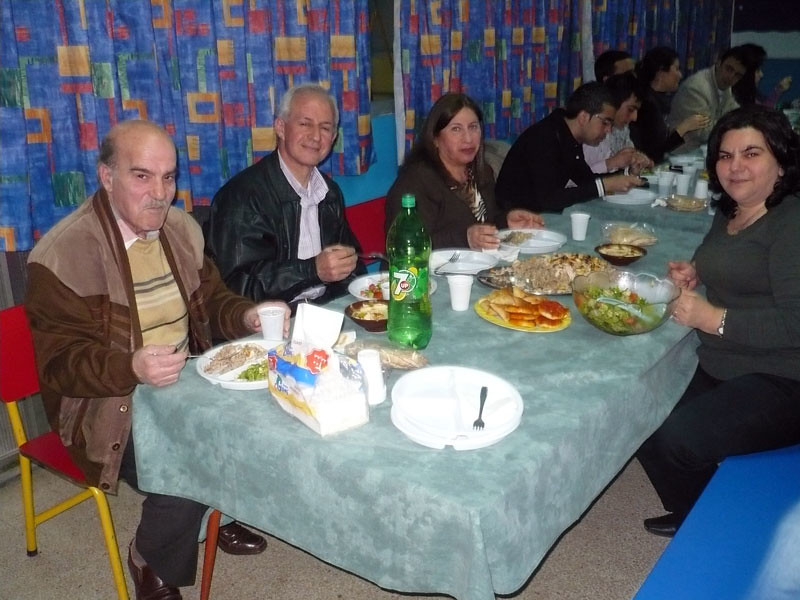
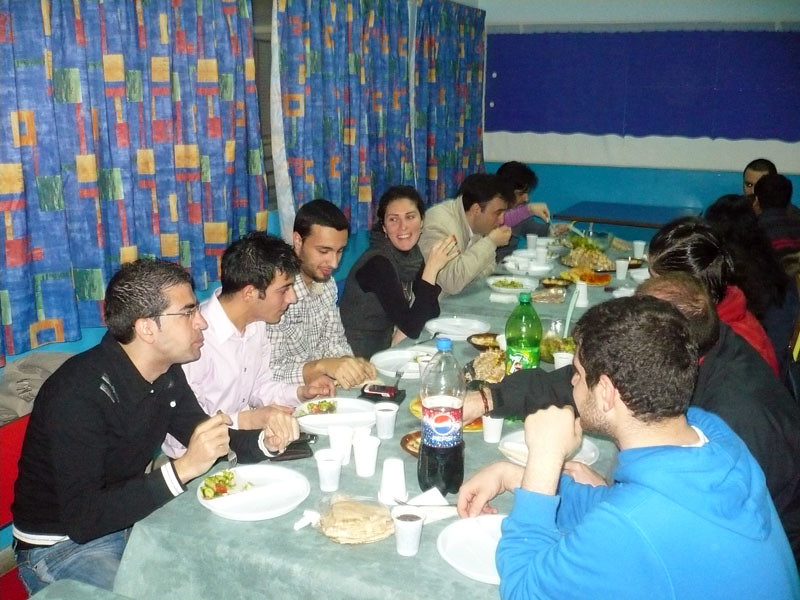
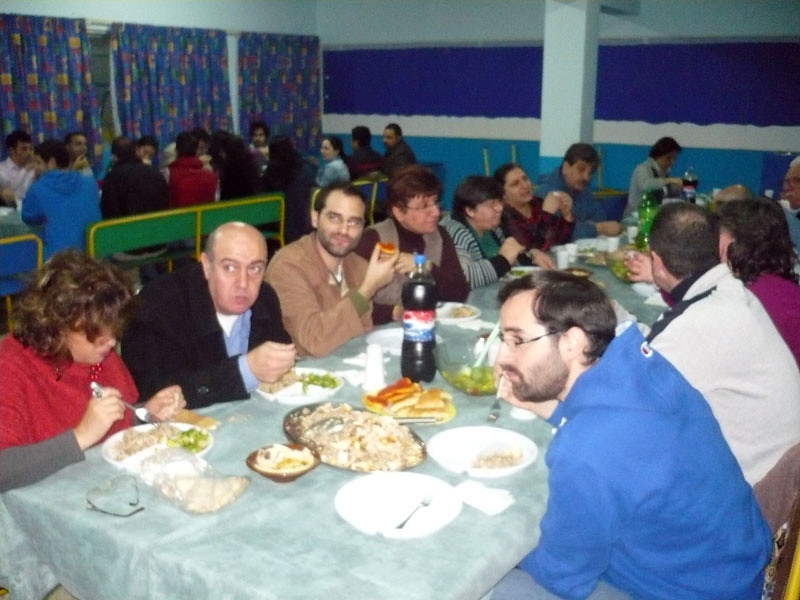
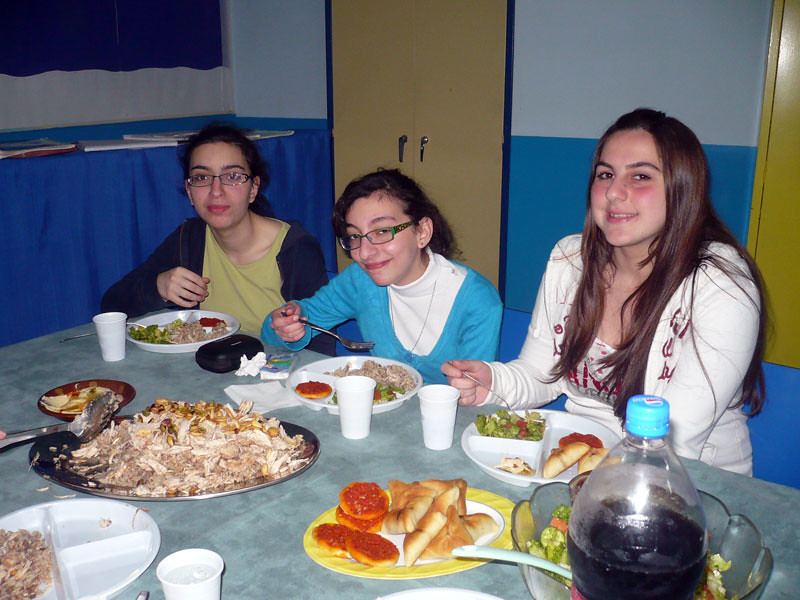
On Saturday, 2 April - the Hokapartsoutyoun organized an appreciation dinner for all the members serving in the committees and all the ladies, men, youth, and teenagers, who devote their time and talent for the mission and vision of His church.
Around 40 people who serve in various committes (Hokapartsoutyoun, Khnamagaloutyoun, Sunday School, Badaniatz, Chanitz, Ladies Committee, Young Couples, Church Band, Chanitz Blog) gathered in the Kindergarten Hall of the Armenian Evangelical Torosian School.
The pastor, Rev. Svajian, shared a devotion with the following theme: Serve the Lord (Romans: 12.11) and thanked all the volunteers and prayed for them. After the prayer and dinner, the members shared about their committees and their plans.


Around 40 people who serve in various committes (Hokapartsoutyoun, Khnamagaloutyoun, Sunday School, Badaniatz, Chanitz, Ladies Committee, Young Couples, Church Band, Chanitz Blog) gathered in the Kindergarten Hall of the Armenian Evangelical Torosian School.
The pastor, Rev. Svajian, shared a devotion with the following theme: Serve the Lord (Romans: 12.11) and thanked all the volunteers and prayed for them. After the prayer and dinner, the members shared about their committees and their plans.