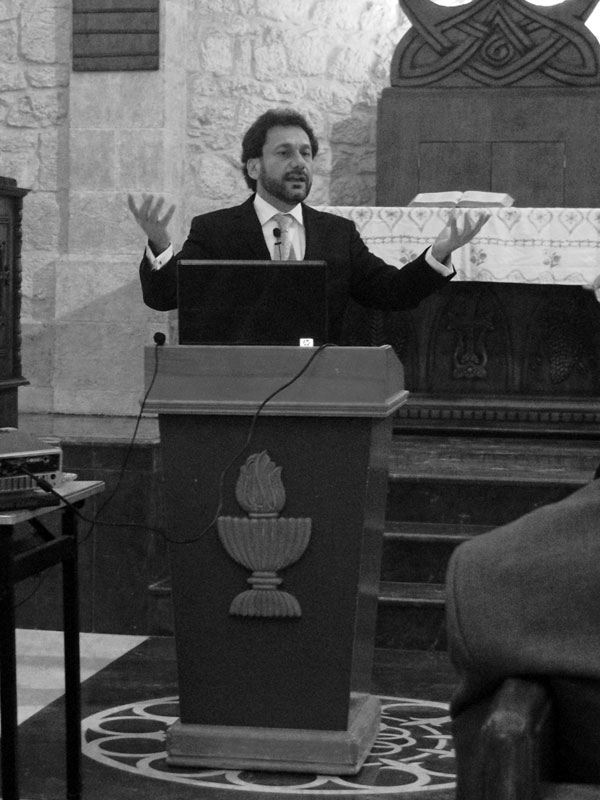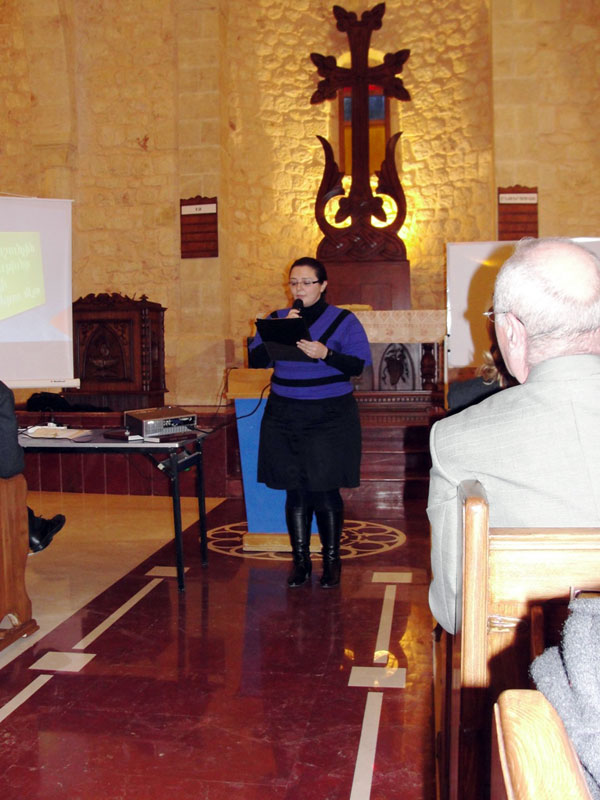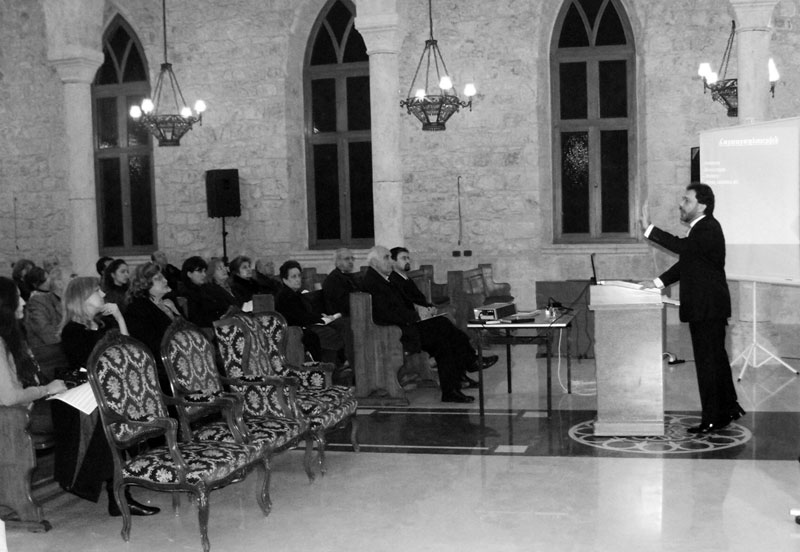



Երաժշտական Բացառիկ Երեկոյ՝ Թորոնթոյի Մէջ

Church Banquet of the Armenian Evangelical Emmanuel Church
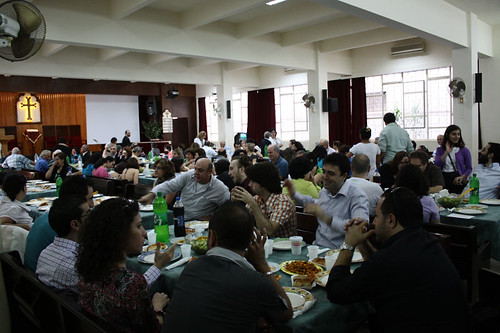
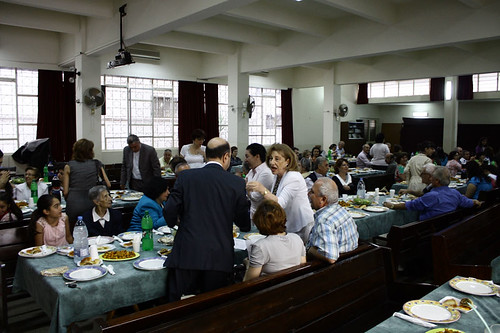
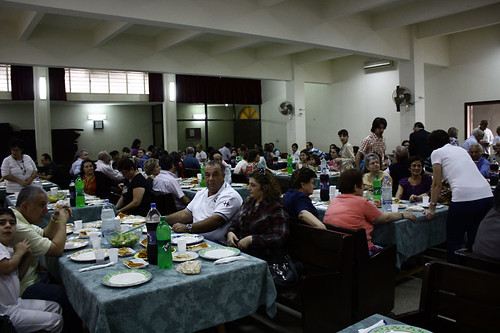
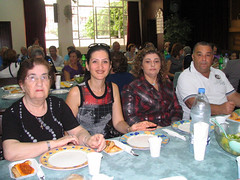
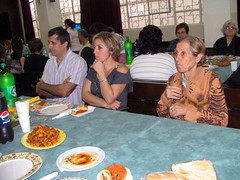
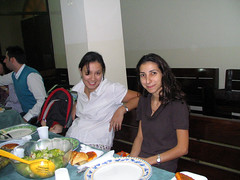
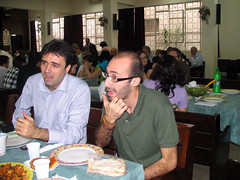
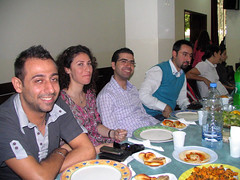
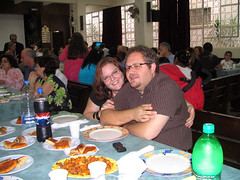
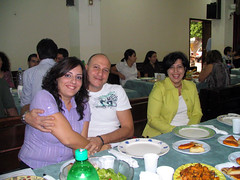
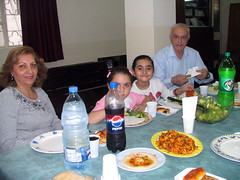
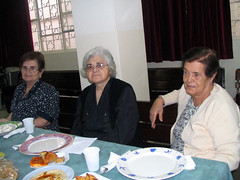
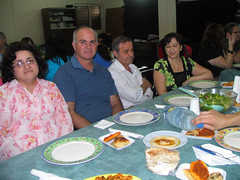
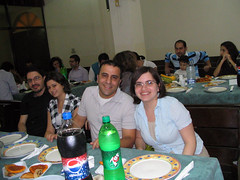
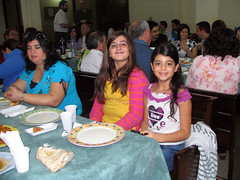
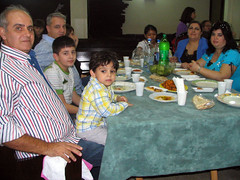
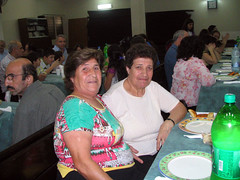
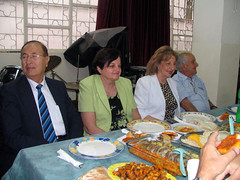
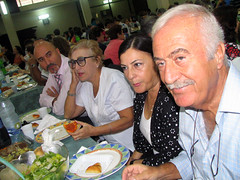
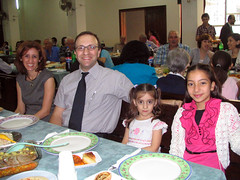
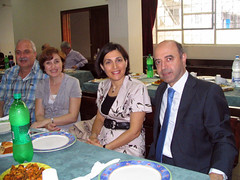
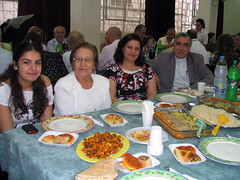
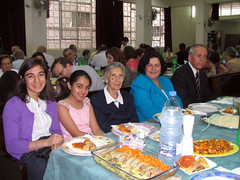
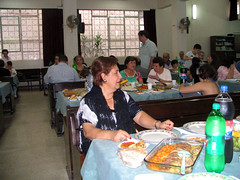
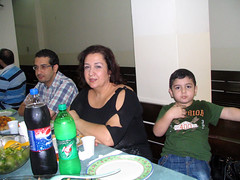
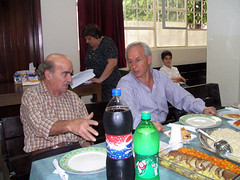
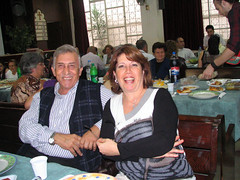
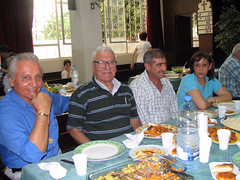
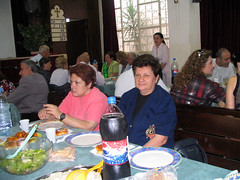
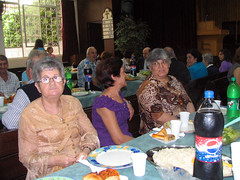
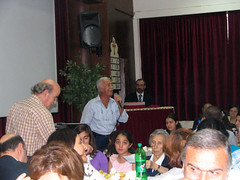
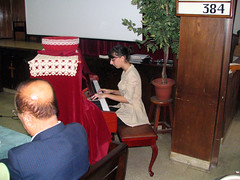
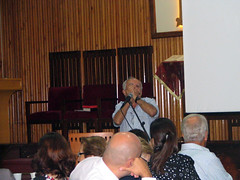
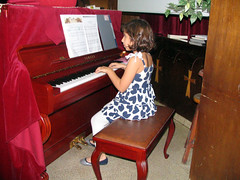
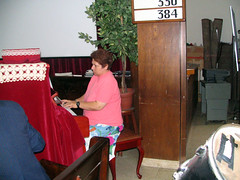
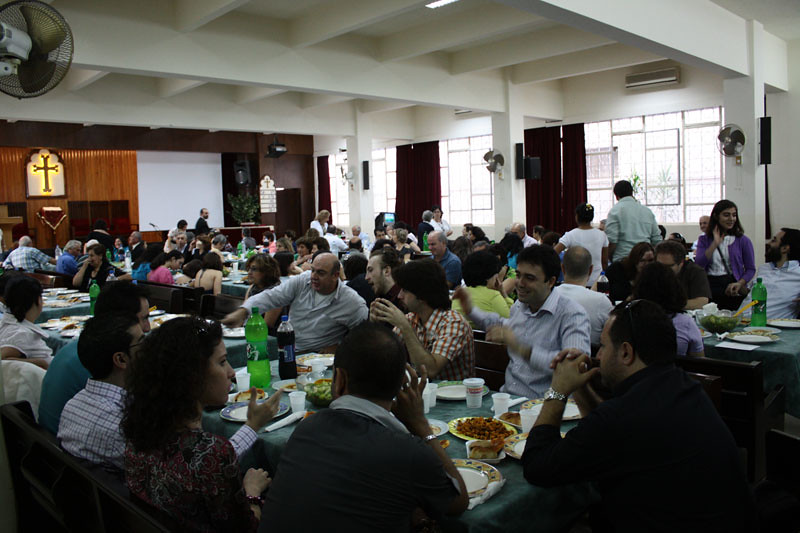
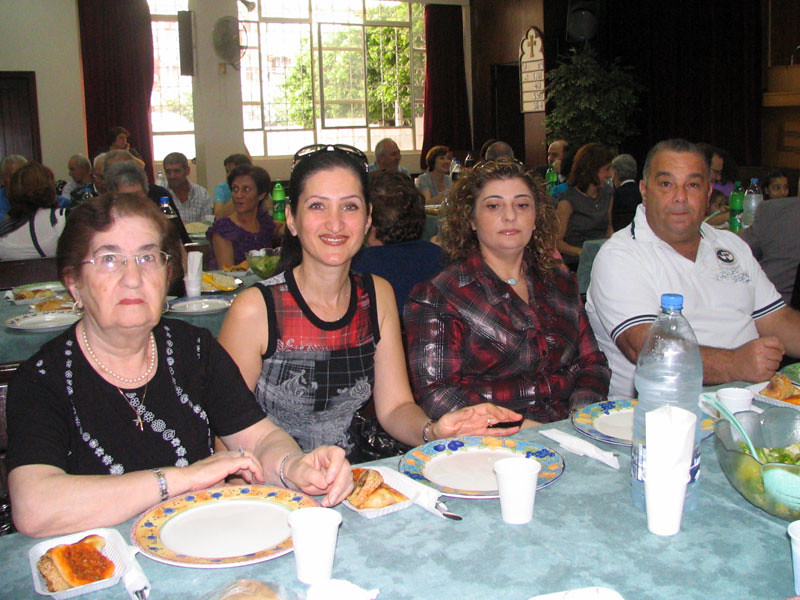
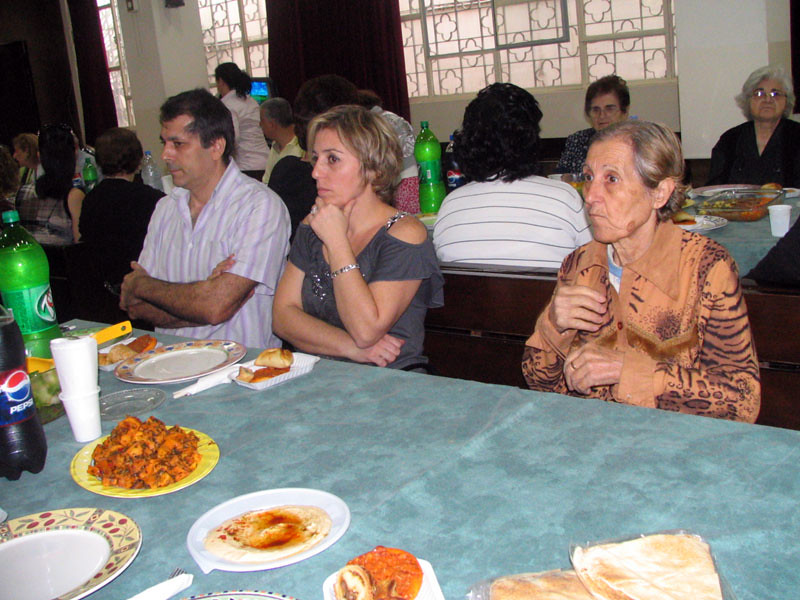
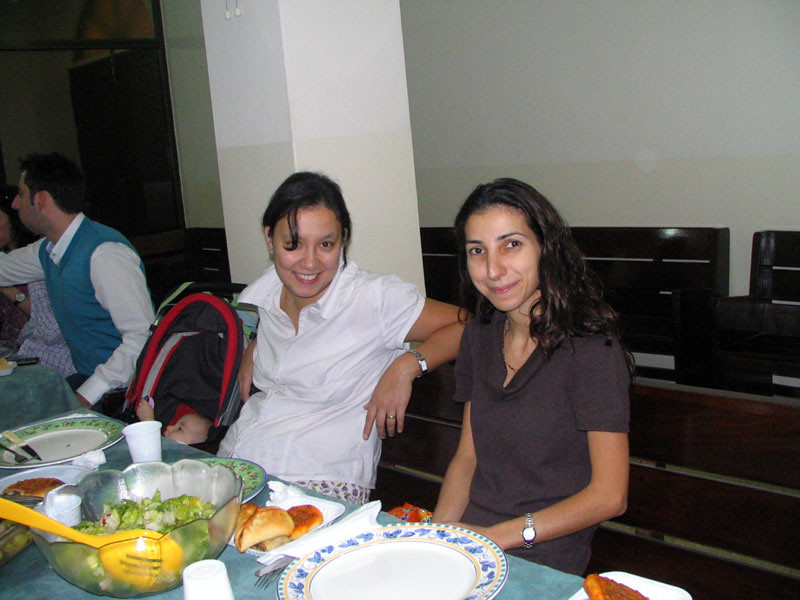
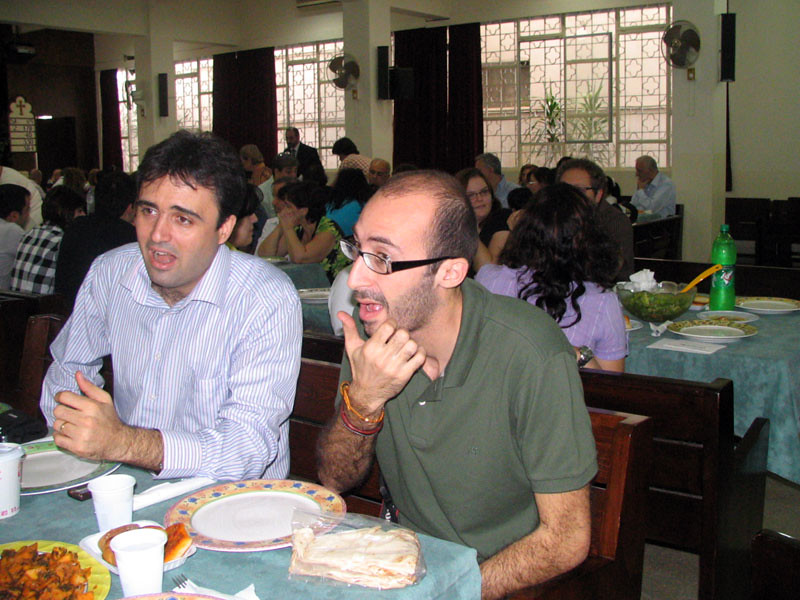
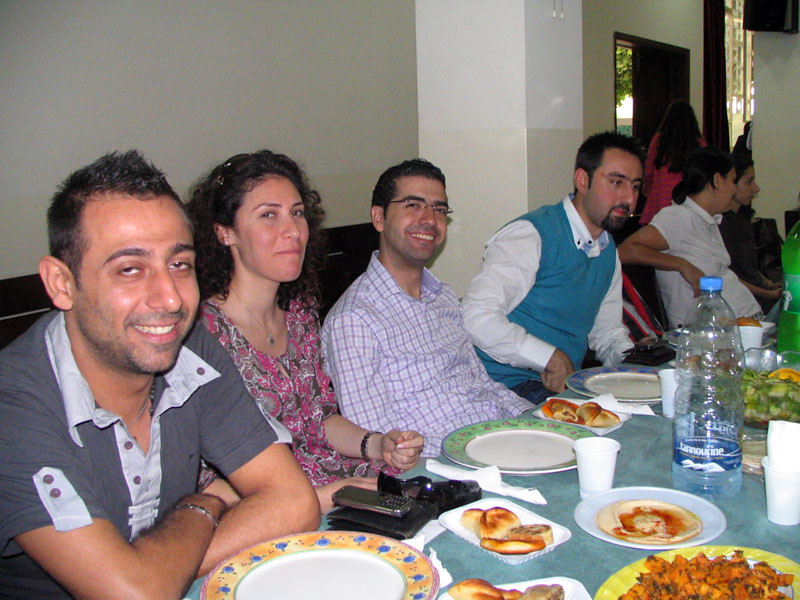
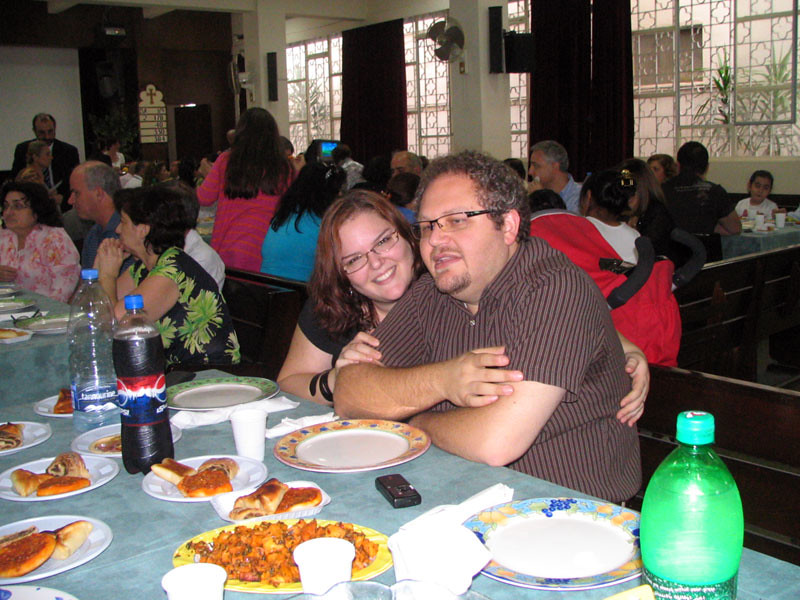
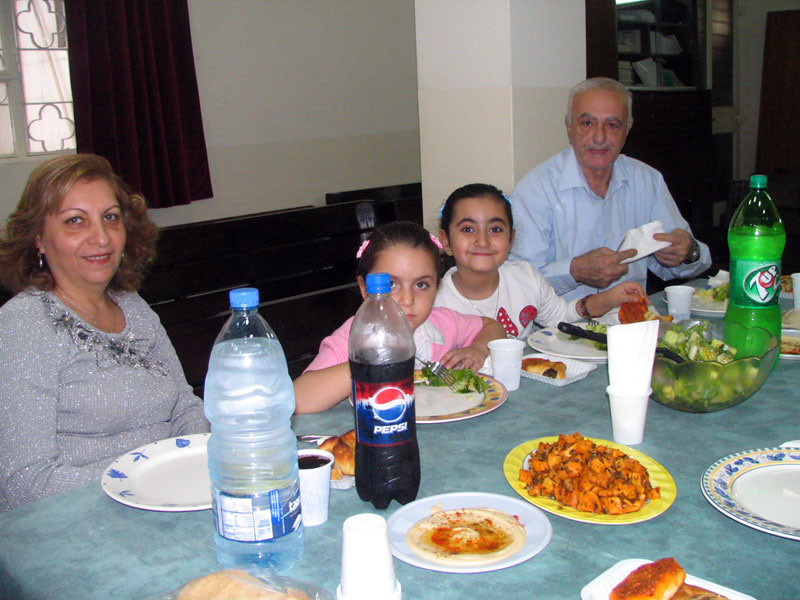
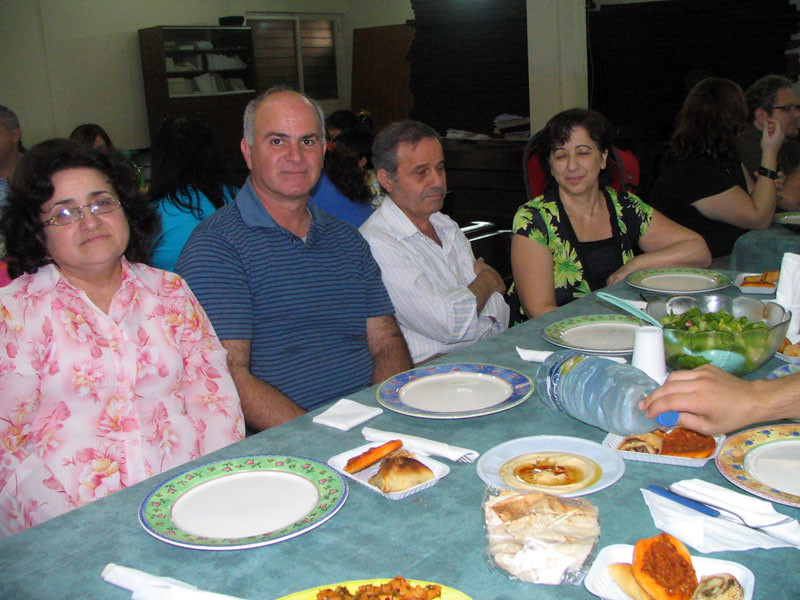
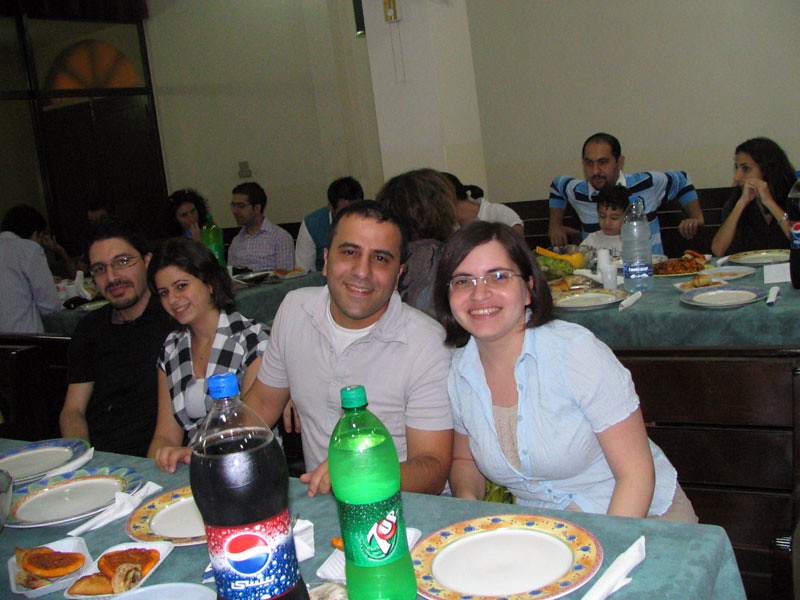
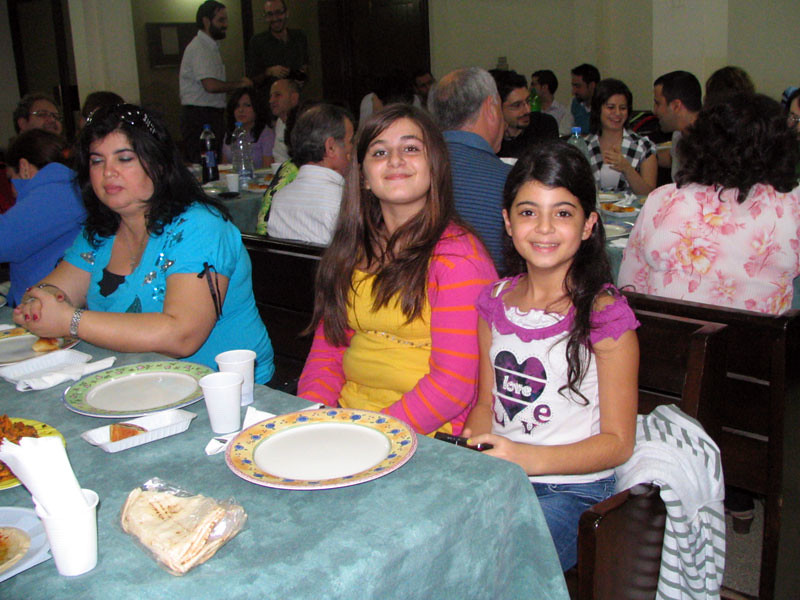
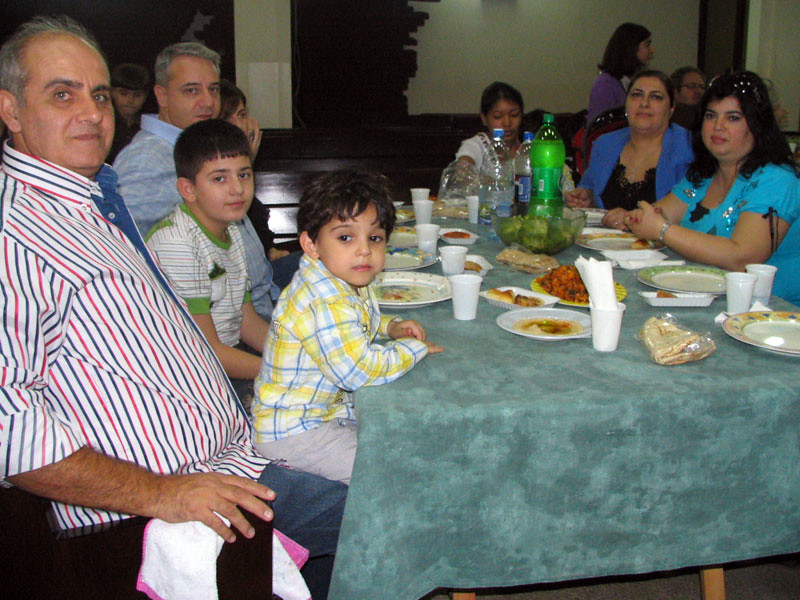
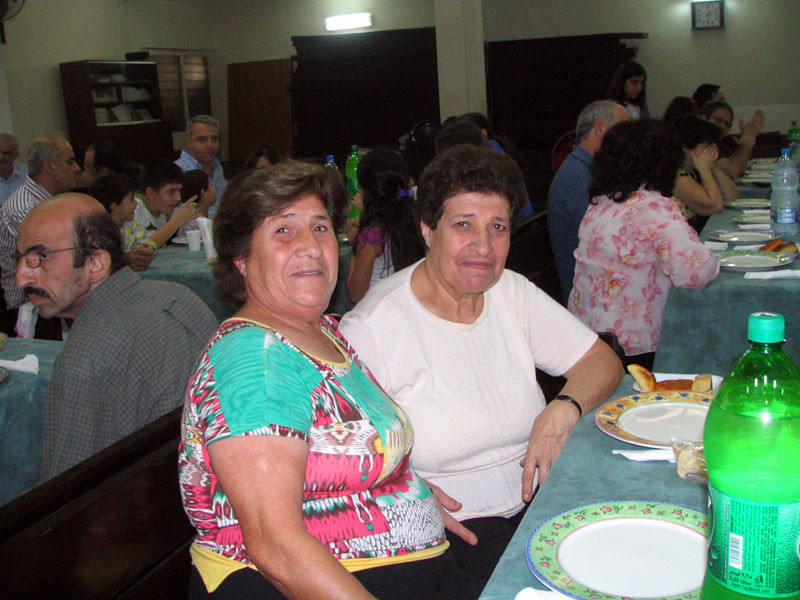
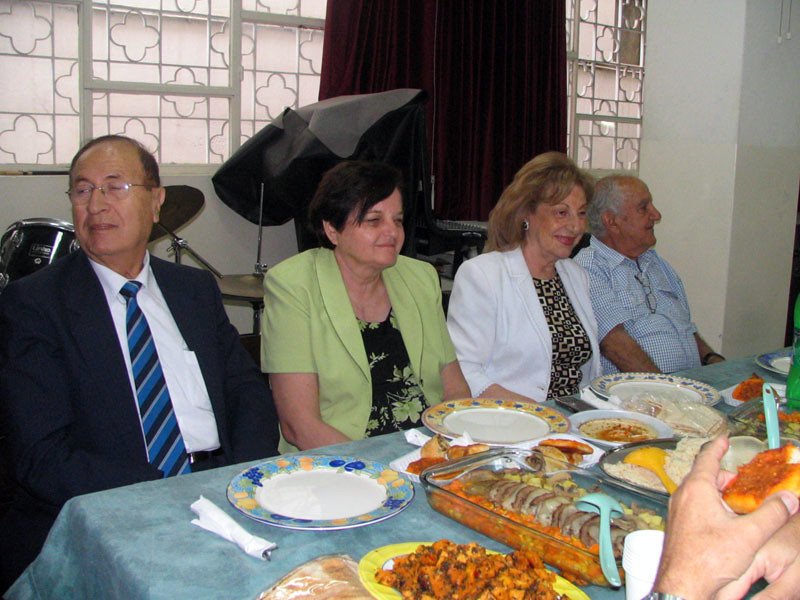
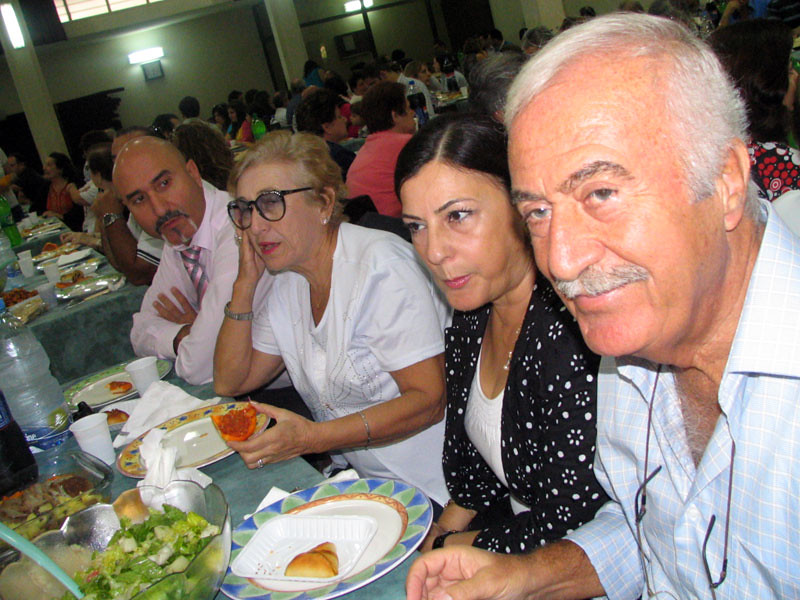
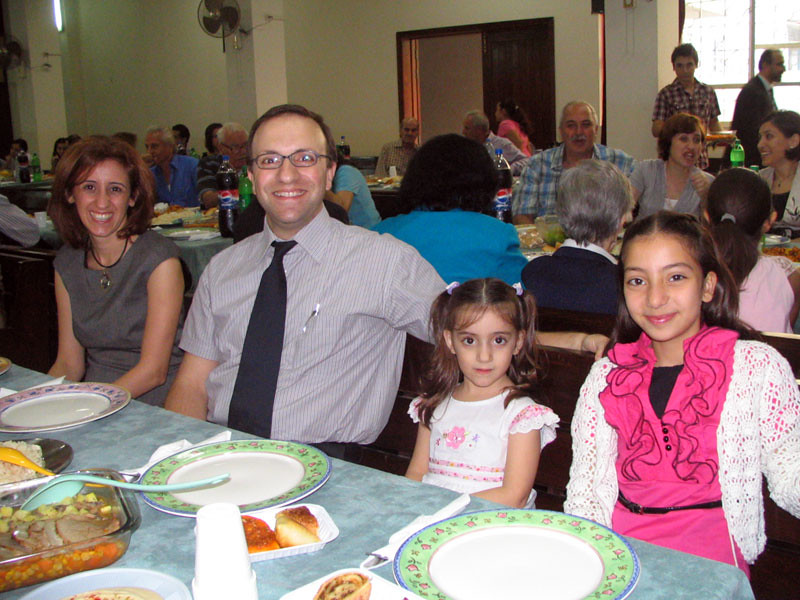
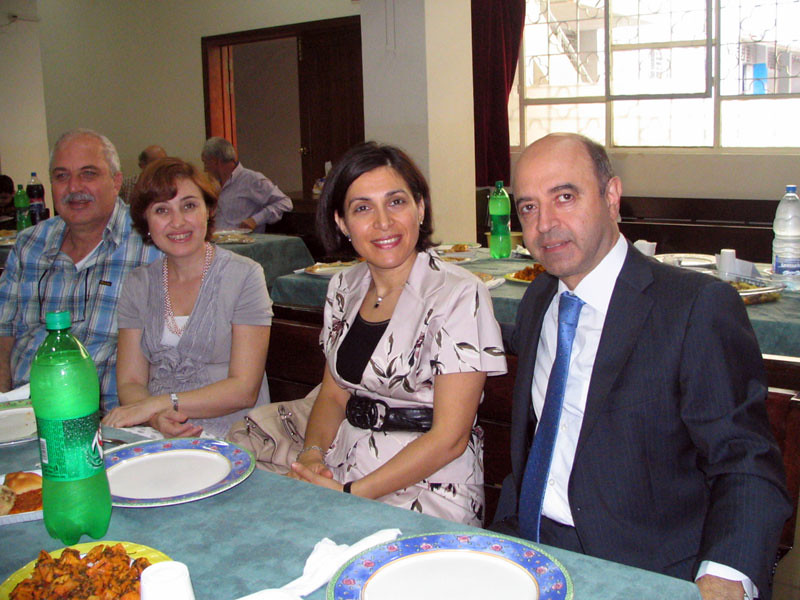
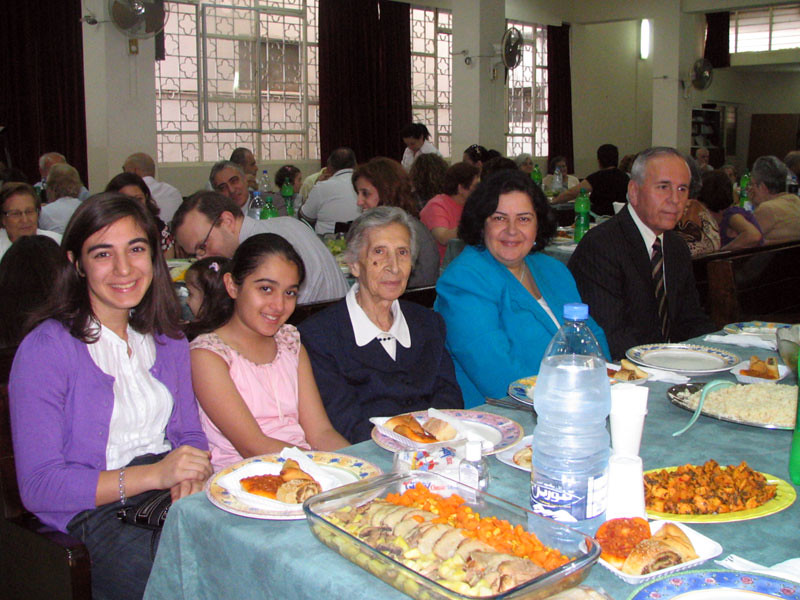
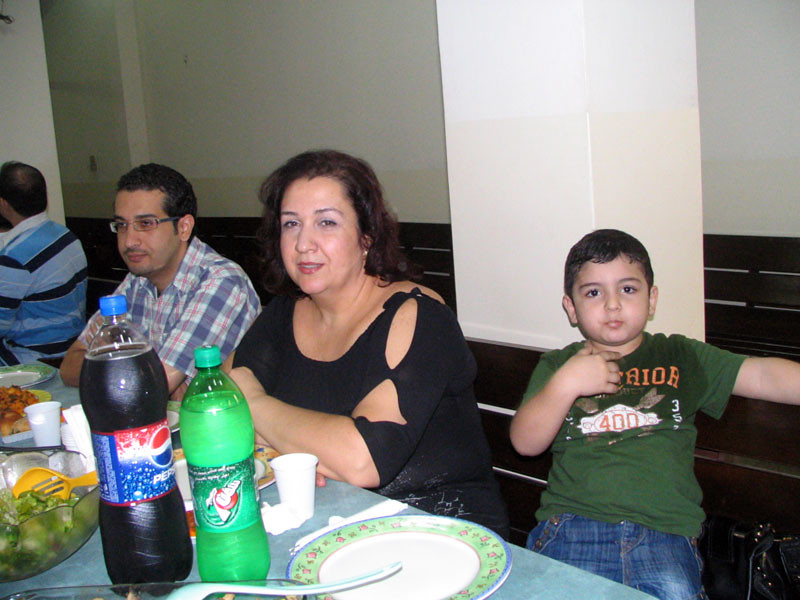
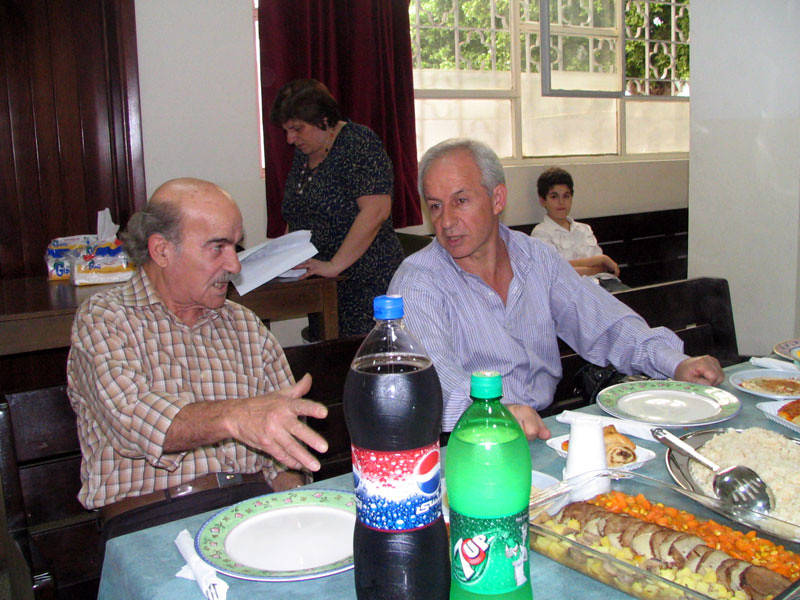
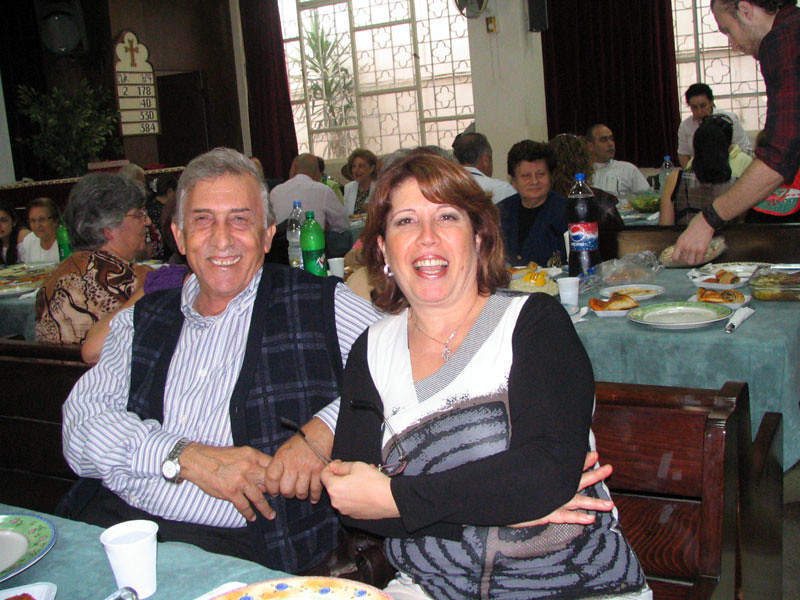
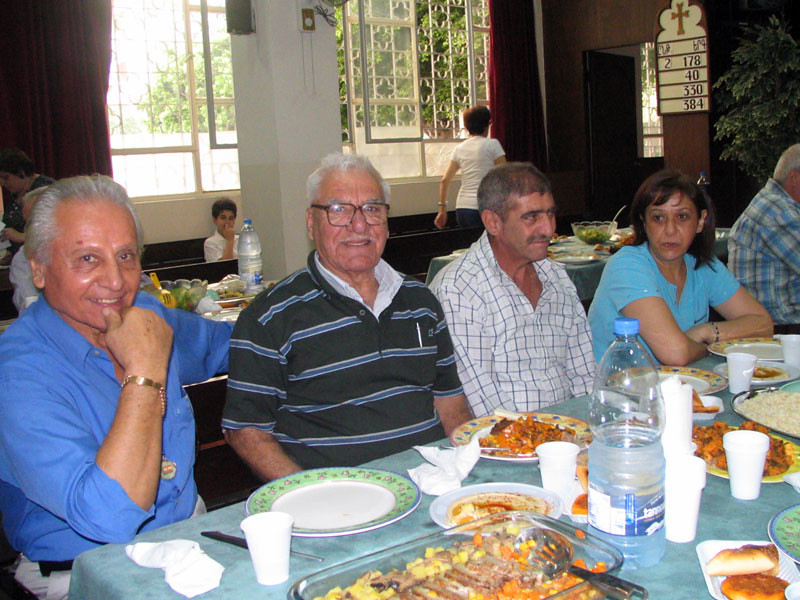
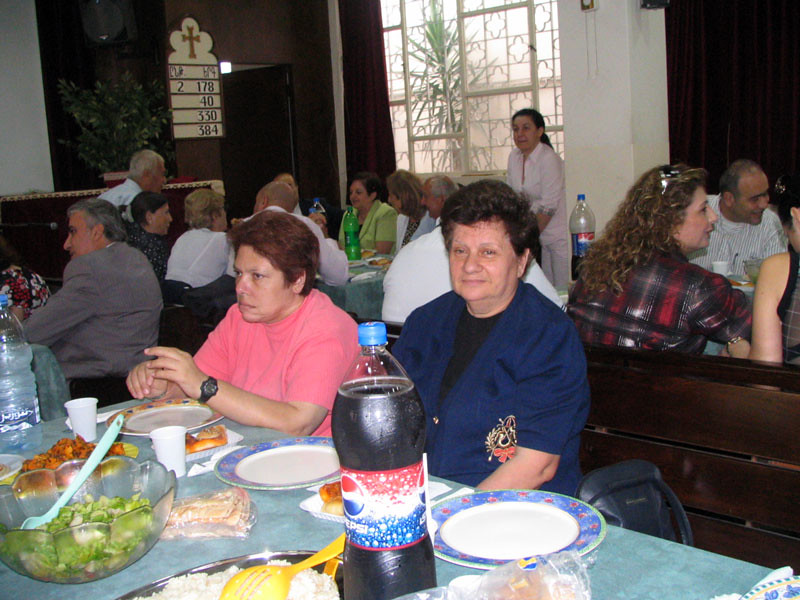
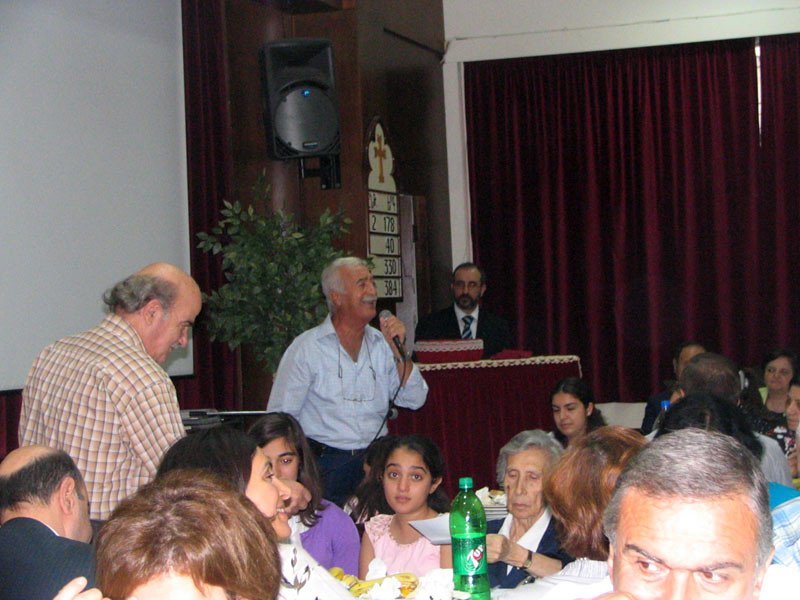
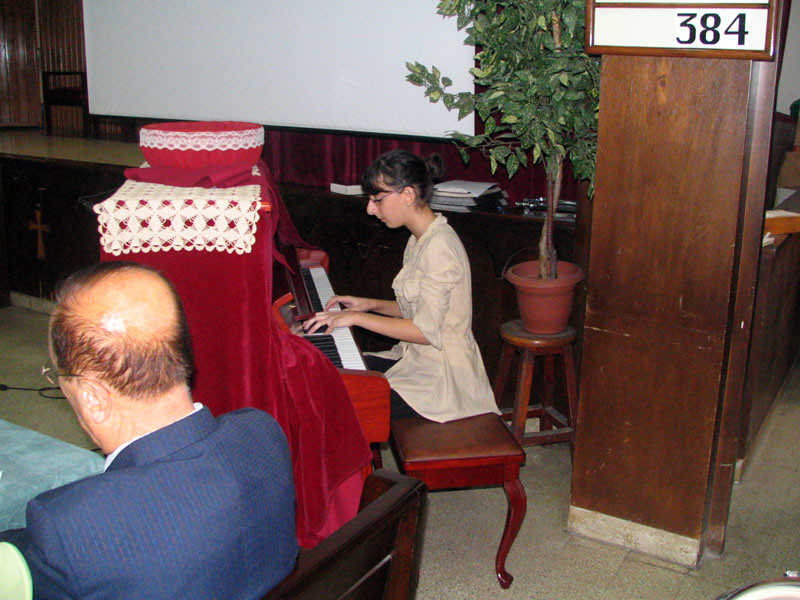
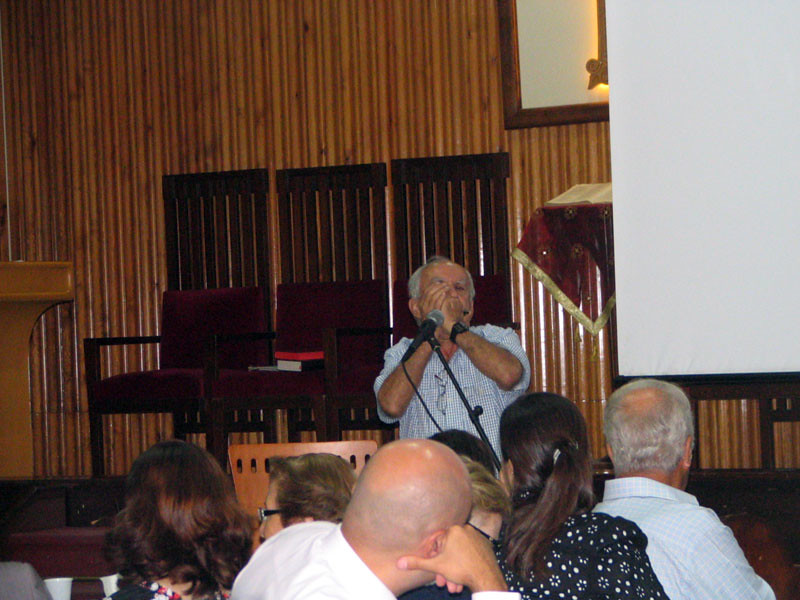
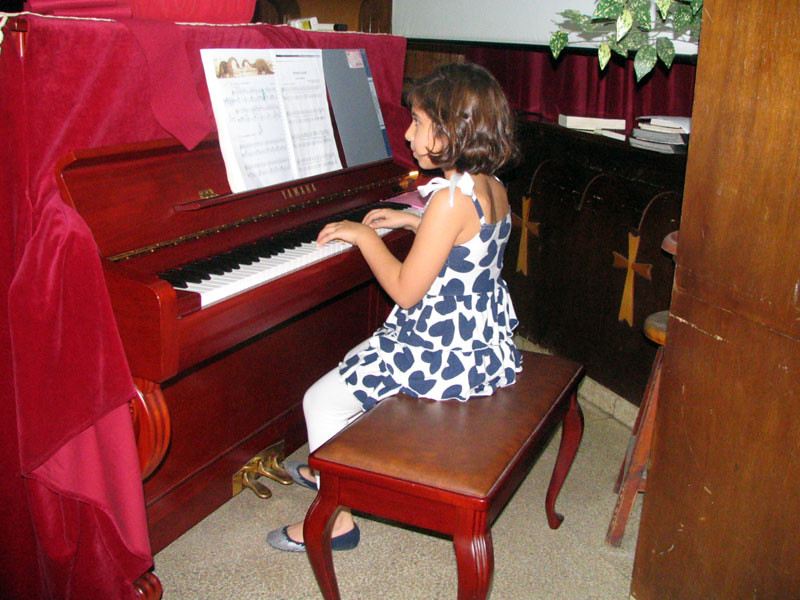
On Sunday, 21 November, 2010 - the annual church banquet was held in the Armenian Evangelical Emmanuel Church. The church members, sister church members, chanitz youth, guests and relatives participated for fellowship and enjoying the meal served together.









Djechmardoutian Khoske (Ճշմարտութեան Խօսքը) - 27-3-2011
Վկայագրութիւն (Vgayakroutyoun), A New Book By Rev. Avak Avakian
Being a lover of history books, specially those related to the period after the 1915 Armenian Genocide and how the churches were relocated to Greece, Cyprus, Syria, Lebanon, I finished reading the latest book Vgayakroutyoun that was published by the Rev. Avakian's daughter, and authored by Rev. Avak Avakian himself.
The book is in Armenian, and it contains Rev. Avakian's memories that extends from his childhood years in Hasabeyli, in Turkey, till his elderly years passing through Greece, France, Syria, Lebanon, and Canada. Rev. Avakian's narrations, anecdotes, and stories are invigorating, inspiring, full of bravery and fearlessness.
I have never known Rev. Avakian, nor had heard about him, but his honesty and bravery took me by surprise, specially his outright condemnation of the attempts of the Armenian political parties of the time, in taking control of every top head of schools and organizations, by deeming them rather less Armenian. Also, his straightforward remarks about the disputes in the General Conventions of the Armenian Evangelical Churches are noticeable. He also accuses the members of the secret societies of his time, mentioning that even though they helped the church, yet despised its mission.
Raffi
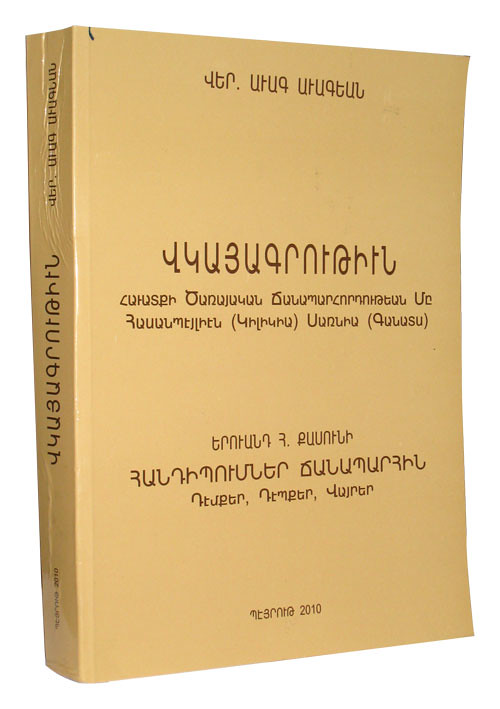
Published by the Union of the Armenian Evang'l Churches in the Near East, 400 pp, pb, $30.00
Rev. Avak Avakian’s (1904-1983) memoires cover seven decades of journey,
which started in his birthplace of Hassabeily (Cilician Armenia) and ended in Sarnia (Ontario, Canada). After witnessing the Armenian Genocide and the
Kemalist purge in his homeland, he experienced the life of a refugee in Aleppo. He pursued his education in Tarsus, Beirut, Paris and Athens and served his Lord and his people as a pastor and a principal in Armenian schools and churches in Damascus, Beirut, Aleppo, Azez, Kessab, Zahle and Chtaura.
His memoires are of historical value since they document both eye-witnessed and personally experienced events and personalities. This is especially true when they narrate his personal experiences of the Armenian Genocide, life in Aleppo as a refugee, as a student at St. Paul’s College in Tarsus and at the Athen’s School of Religion. Overall, his memoires are
of special significance to the history of Armenian Evangelicals in the Middle East between the years 1930-1969.
Rev. Avakian retired in Sarnia, Canada, where he remained until his last days in touch with church life and devoting time to writing his memoires.
This book includes three appendices which were written, compiled and edited by Dr. Yervant H. Kassouny. The appendices are a biographical presentation of the personalities mentioned by Rev. Avakian in his memoires, the documents which support the events mentioned in the memoires and the words of condolences and sympathy testimonies expressed on the sad occasion of Rev. Avakian’s death in 1983.
AMAA
The book is in Armenian, and it contains Rev. Avakian's memories that extends from his childhood years in Hasabeyli, in Turkey, till his elderly years passing through Greece, France, Syria, Lebanon, and Canada. Rev. Avakian's narrations, anecdotes, and stories are invigorating, inspiring, full of bravery and fearlessness.
I have never known Rev. Avakian, nor had heard about him, but his honesty and bravery took me by surprise, specially his outright condemnation of the attempts of the Armenian political parties of the time, in taking control of every top head of schools and organizations, by deeming them rather less Armenian. Also, his straightforward remarks about the disputes in the General Conventions of the Armenian Evangelical Churches are noticeable. He also accuses the members of the secret societies of his time, mentioning that even though they helped the church, yet despised its mission.
Raffi
Published by the Union of the Armenian Evang'l Churches in the Near East, 400 pp, pb, $30.00
Rev. Avak Avakian’s (1904-1983) memoires cover seven decades of journey,
which started in his birthplace of Hassabeily (Cilician Armenia) and ended in Sarnia (Ontario, Canada). After witnessing the Armenian Genocide and the
Kemalist purge in his homeland, he experienced the life of a refugee in Aleppo. He pursued his education in Tarsus, Beirut, Paris and Athens and served his Lord and his people as a pastor and a principal in Armenian schools and churches in Damascus, Beirut, Aleppo, Azez, Kessab, Zahle and Chtaura.
His memoires are of historical value since they document both eye-witnessed and personally experienced events and personalities. This is especially true when they narrate his personal experiences of the Armenian Genocide, life in Aleppo as a refugee, as a student at St. Paul’s College in Tarsus and at the Athen’s School of Religion. Overall, his memoires are
of special significance to the history of Armenian Evangelicals in the Middle East between the years 1930-1969.
Rev. Avakian retired in Sarnia, Canada, where he remained until his last days in touch with church life and devoting time to writing his memoires.
This book includes three appendices which were written, compiled and edited by Dr. Yervant H. Kassouny. The appendices are a biographical presentation of the personalities mentioned by Rev. Avakian in his memoires, the documents which support the events mentioned in the memoires and the words of condolences and sympathy testimonies expressed on the sad occasion of Rev. Avakian’s death in 1983.
AMAA
AMAA Appeal for Japan Earthquake and Pacific Tsunami Victims
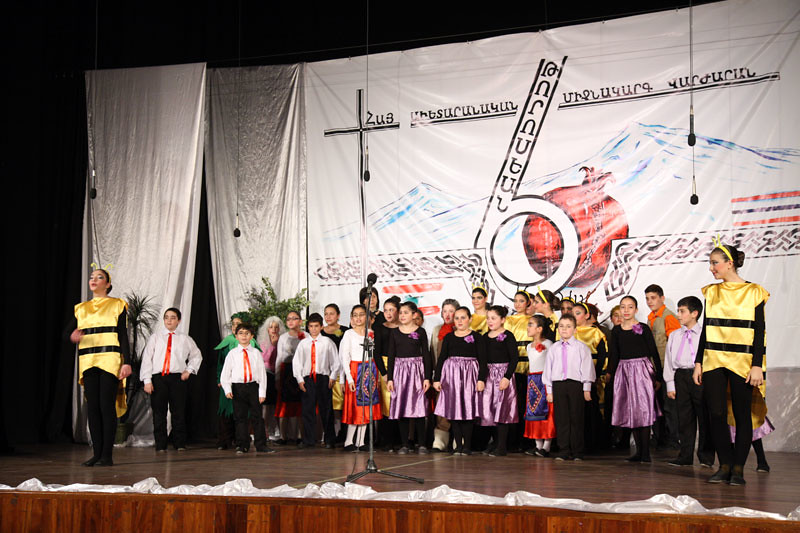
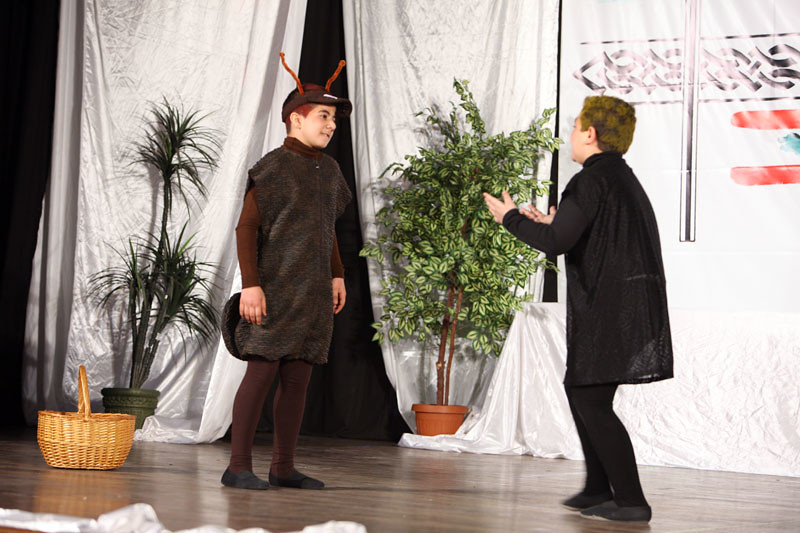
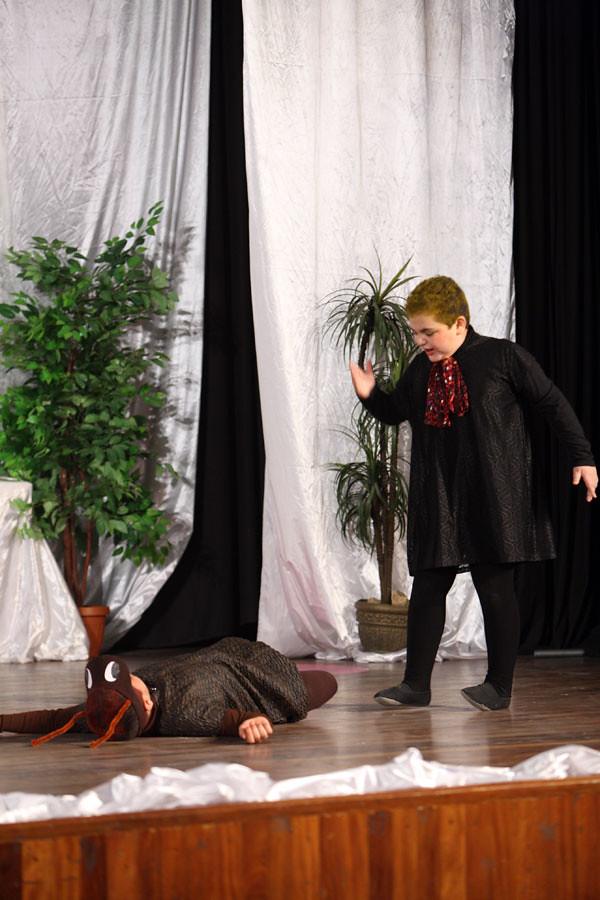
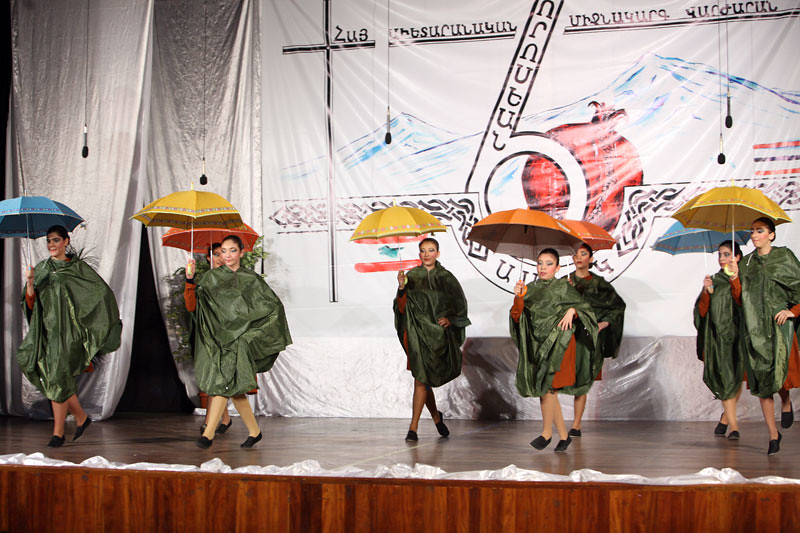
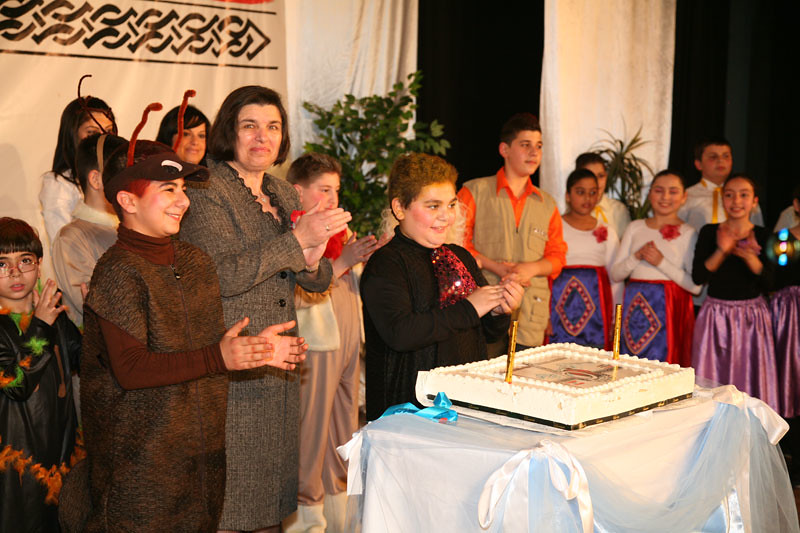
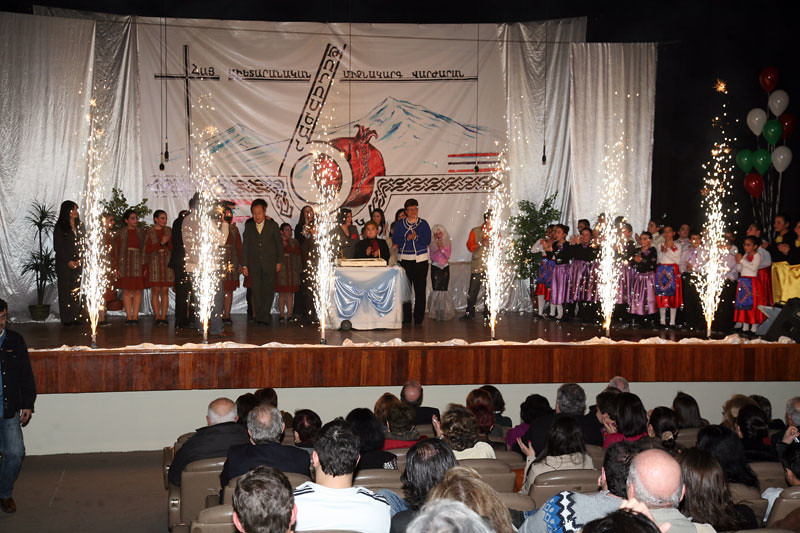
Հայ Աւետ. Թորոսեան Վարժարանի 60-ամեակ «Ճպուռն ու Մրջիւնը»


The Rising of a Rocket - Part 2
You can read Part 1 at: http://www.chanitz.org/2011/03/rising-of-rocket.html
You can read Part 3 at: http://www.chanitz.org/2011/05/rising-of-rocket-part-3.html
The 1st Rockets Shot in the Middle East by a Small Lebanese-Armenian College
Mano Chilingirian: Everyone agrees today that The Haigazian College produced the 1st rockets shot in the Arab world. After the huge success of the HCRS, what were the political reactions from within and outside the country?
Dr. Manougian: In August 1961, President Chehab invited members of the HCRS to meet with him where he congratulated us. Also, Deputy Emile Bustany was very supportive. The Lebanese government offered us financial support as well as the Army workshop to construct the rocket. Initially we received 500 LL, followed by 25,000 LL for 1962 and 25,000LL for 1963. This encouraged a group of prominent Lebanese to form the “Comite d’encouragement du Groupe Haigazian” to promote the activities of the HCRS. The committee included Dr. Ibrahim Dagher, Dr. Bedros Aznavourian, Mme Issam Hussami, Mlle Huguette Kraichaty and Mme Marie-Paulette Karayan.
Our experiments and the activities of the HCRS drew the attention of the Lebanese news media and beyond, including articles in the News Review of the U.S. Information Service and in a publication of the American Friends of the Middle East. I was interviewed for Lebanese television, as well as Voice of America. Various Embassies showed an interest in our activities with visits from Cultural Attaches of the U.S. and the Soviet Union. I did meet Ambassador Porter of the American Embassy. Although I have no proof that foreign agents were monitoring us, I noticed on several occasions that my notes in my office were shuffled on my desk.
Mr. Karegeozian: The reaction from not only the other universities or the general population of Lebanon but the other Arab countries as well as Israel was that a small university in Lebanon had the ability to make these multistage rockets, and there was owe and surprise at the outcome. Because I came from Jerusalem, when the rocket exploded and caused damage to the building at Haigazian, my parents indicated that there was a lot of talk on the radio in Jerusalem and Israel about the Rocket club in Lebanon.


Mano Chilingirian: What were the benefits of having such a society to the college in general and the students in specific?
Dr. Manougian: It has been fifty years since I realized the dream of studying space flight. It has been fifty years since the young and dynamic Haigazian College, now a university, provided me, and my students, with a venue to explore the scientific method. It was this young and progressive Armenian institution of higher learning that opened its doors to students of all faiths and ethnic origins.
Incidentally, on November 12, 2010, I was the keynote speaker at the 55th anniversary banquette of Haigazian University which was held in Glendale, California. There were about 500 guests who attended. The main topic of conversation was the rocket project. Dr. John Markarian, the first President of Haigazian University, was in attendance. At the age of 90 plus years he even challenged me for a game of tennis. Also present were the French/Lebanese filmmakers who are producing a documentary on the HCRS. They will be coming to Tampa at the end of January to continue the interview with me. While in Glendale Hampar Karageozian – one of the HCRS’ committed members – came to meet with me. After Haigazian he attended AUB and MIT. Today, he is a very successful businessman / scientist conducting important innovations dealing with sight and eyes. He is a very good example of the influence the HCRS had on him and others.
Mr. Karegeozian: The most important aspect of the HCRS to everyone was the raising of the scientific expectation that a group of young students had been able to put their heads together, and having very little funds they were able to pursue the science. This I am sure raised a lot of scientific interest in me, and my future adventures in science and discovery have been very much impacted by the experience that we had at Haigazian.
Mano Chilingirian: On November 21, 1962 Cedar-3, a three stages solid propellant rocket prepared by the Haigazian group was launched. It had a length of 6.80 m and a weight of 1,250kg. After several other launchings, an accident occurred during the summer of 1964, which hospitalized 2 students who fortunately recovered. However, the launchings were ended then, and no "big bang" has taken place since. Do you think this accident was the main reason that the Society stopped being active and came to be dissolved?
Dr. Manougian: The Society’s activities did not end with the accident. In 1964, after receiving an M.A. degree from the University of Texas, I returned to Haigazian. To my horror, I found out that a few weeks earlier a member of the HCRS (Hrair) had tried to prepare a rocket with the potassium perchlorate as a propellant. The propellant ignited inflicting Hriar with serious burns. Another student (Hampar) who happened to be passing by rescued Hrair, but in the process he too received severe burns and the two were taken to the AUB hospital. Fortunately, both recovered are successful members of the Society.
We continued our activities from 1964 through 1966 during which we prepared and launched some sophisticated rockets. In fact the last launching was on August 4, 1966. Once I left Lebanon to continue my education for a doctoral degree, there wasn’t a leader left behind with the same drive and passion as mine to continue the project. By then the rocket project was moving in two directions. Mine was strictly a scientific non-military project and my departure ended that program. The Lebanese army saw the military implications of the project. Some believe, and I have no proof, that France pressured Lebanon to discontinue its quest for rocket production. Thus, we had the end of the program.
Mr. Karegeozian: In 1964 prior to the accident at The Haigazian College, Manoug Manougian had departed to the US, and Dr. Hart had taken over the responsibility of the HCRS. The dynamic character of what Dr. Manougian offered when he was at the helm was absent. In the accident that occurred at Haigazian Hrair lost his eye. My brother and I were the other students that went into the 5th floor room and got Hrair out of the room and in the process we got severely burnt.
(The program for 1964 – 1966 involved the construction of more powerful and reliable rockets to perform telecommunication experiments with rockets in flight. We received propellants from France.)


You can read Part 3 at: http://www.chanitz.org/2011/05/rising-of-rocket-part-3.html
The 1st Rockets Shot in the Middle East by a Small Lebanese-Armenian College
Mano Chilingirian: Everyone agrees today that The Haigazian College produced the 1st rockets shot in the Arab world. After the huge success of the HCRS, what were the political reactions from within and outside the country?
Dr. Manougian: In August 1961, President Chehab invited members of the HCRS to meet with him where he congratulated us. Also, Deputy Emile Bustany was very supportive. The Lebanese government offered us financial support as well as the Army workshop to construct the rocket. Initially we received 500 LL, followed by 25,000 LL for 1962 and 25,000LL for 1963. This encouraged a group of prominent Lebanese to form the “Comite d’encouragement du Groupe Haigazian” to promote the activities of the HCRS. The committee included Dr. Ibrahim Dagher, Dr. Bedros Aznavourian, Mme Issam Hussami, Mlle Huguette Kraichaty and Mme Marie-Paulette Karayan.
Our experiments and the activities of the HCRS drew the attention of the Lebanese news media and beyond, including articles in the News Review of the U.S. Information Service and in a publication of the American Friends of the Middle East. I was interviewed for Lebanese television, as well as Voice of America. Various Embassies showed an interest in our activities with visits from Cultural Attaches of the U.S. and the Soviet Union. I did meet Ambassador Porter of the American Embassy. Although I have no proof that foreign agents were monitoring us, I noticed on several occasions that my notes in my office were shuffled on my desk.
Mr. Karegeozian: The reaction from not only the other universities or the general population of Lebanon but the other Arab countries as well as Israel was that a small university in Lebanon had the ability to make these multistage rockets, and there was owe and surprise at the outcome. Because I came from Jerusalem, when the rocket exploded and caused damage to the building at Haigazian, my parents indicated that there was a lot of talk on the radio in Jerusalem and Israel about the Rocket club in Lebanon.
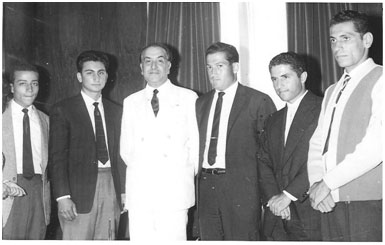
S. Aprahamian, H. Kelechian, Pres. Chehab, M. Manougian, H. Karaguezian, G. Basmadjian
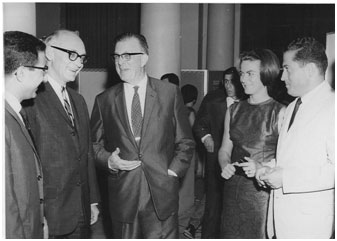
2nd from left, U.S. Ambassador Porter, President of AUB, Kirkwood, my wife Josette, and me.
Mano Chilingirian: What were the benefits of having such a society to the college in general and the students in specific?
Dr. Manougian: It has been fifty years since I realized the dream of studying space flight. It has been fifty years since the young and dynamic Haigazian College, now a university, provided me, and my students, with a venue to explore the scientific method. It was this young and progressive Armenian institution of higher learning that opened its doors to students of all faiths and ethnic origins.
Incidentally, on November 12, 2010, I was the keynote speaker at the 55th anniversary banquette of Haigazian University which was held in Glendale, California. There were about 500 guests who attended. The main topic of conversation was the rocket project. Dr. John Markarian, the first President of Haigazian University, was in attendance. At the age of 90 plus years he even challenged me for a game of tennis. Also present were the French/Lebanese filmmakers who are producing a documentary on the HCRS. They will be coming to Tampa at the end of January to continue the interview with me. While in Glendale Hampar Karageozian – one of the HCRS’ committed members – came to meet with me. After Haigazian he attended AUB and MIT. Today, he is a very successful businessman / scientist conducting important innovations dealing with sight and eyes. He is a very good example of the influence the HCRS had on him and others.
Mr. Karegeozian: The most important aspect of the HCRS to everyone was the raising of the scientific expectation that a group of young students had been able to put their heads together, and having very little funds they were able to pursue the science. This I am sure raised a lot of scientific interest in me, and my future adventures in science and discovery have been very much impacted by the experience that we had at Haigazian.
Mano Chilingirian: On November 21, 1962 Cedar-3, a three stages solid propellant rocket prepared by the Haigazian group was launched. It had a length of 6.80 m and a weight of 1,250kg. After several other launchings, an accident occurred during the summer of 1964, which hospitalized 2 students who fortunately recovered. However, the launchings were ended then, and no "big bang" has taken place since. Do you think this accident was the main reason that the Society stopped being active and came to be dissolved?
Dr. Manougian: The Society’s activities did not end with the accident. In 1964, after receiving an M.A. degree from the University of Texas, I returned to Haigazian. To my horror, I found out that a few weeks earlier a member of the HCRS (Hrair) had tried to prepare a rocket with the potassium perchlorate as a propellant. The propellant ignited inflicting Hriar with serious burns. Another student (Hampar) who happened to be passing by rescued Hrair, but in the process he too received severe burns and the two were taken to the AUB hospital. Fortunately, both recovered are successful members of the Society.
We continued our activities from 1964 through 1966 during which we prepared and launched some sophisticated rockets. In fact the last launching was on August 4, 1966. Once I left Lebanon to continue my education for a doctoral degree, there wasn’t a leader left behind with the same drive and passion as mine to continue the project. By then the rocket project was moving in two directions. Mine was strictly a scientific non-military project and my departure ended that program. The Lebanese army saw the military implications of the project. Some believe, and I have no proof, that France pressured Lebanon to discontinue its quest for rocket production. Thus, we had the end of the program.
Mr. Karegeozian: In 1964 prior to the accident at The Haigazian College, Manoug Manougian had departed to the US, and Dr. Hart had taken over the responsibility of the HCRS. The dynamic character of what Dr. Manougian offered when he was at the helm was absent. In the accident that occurred at Haigazian Hrair lost his eye. My brother and I were the other students that went into the 5th floor room and got Hrair out of the room and in the process we got severely burnt.
(The program for 1964 – 1966 involved the construction of more powerful and reliable rockets to perform telecommunication experiments with rockets in flight. We received propellants from France.)
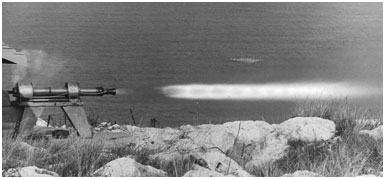
On September 23, 1964, Cedar 6 was launched.
Cap. Sfeir installing instruments in Cedar 6 at take-off
the nose cone of Cedar 6
Cedar 7 explodes on the ramp.
On Thursday May 12, 1966, Cedar 7 was prepared for launching. This happened a few days before American astronaut Eugene Cernan’s planned walk in space.